
MICE REMOVAL IN HOUSTON, TX
Mice Removal in Houston, TX
Finding a mouse in your kitchen, hearing scratching inside a wall, or discovering droppings in a cupboard can be unsettling. Mice can hide in small, overlooked spaces and may remain active even when you rarely see them.
If you are looking for mice removal in Houston, the first step is to understand where the activity is occurring and what may be attracting mice into the property. A suitable removal plan may involve inspection, targeted trapping, monitoring, and recommendations for addressing conditions that allow mice to remain inside.
Rodent Control Houston helps connect property owners with independent pest-control service providers for mice removal enquiries. The appropriate service depends on the affected areas, the evidence of activity, and the work offered by the provider.
Need help with mice in your home? Call (713) 429-1842 to discuss your situation.
Professional Mice Removal in Houston
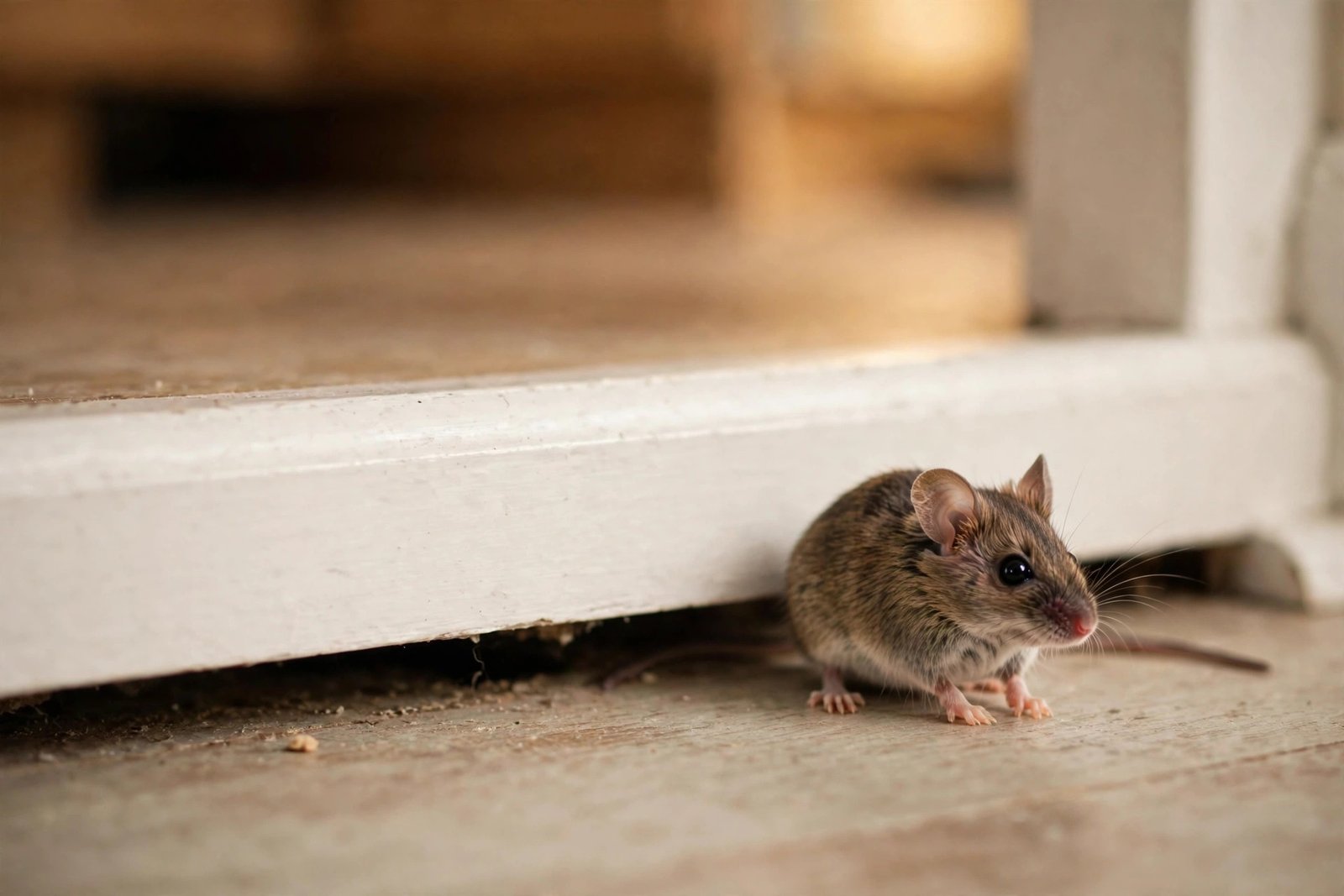
Professional mice removal focuses on addressing mice that are already active inside a property. Mice may be found in kitchens, cupboards, garages, storage rooms, wall spaces, ceilings, and attics. Their small size and ability to remain hidden can make it difficult to understand the extent of the problem from a single sighting.
After reviewing the findings, the independent service provider can explain suitable removal options, any precautions needed around children and pets, and whether follow-up visits may be necessary.
The aim is to address the existing mouse activity and explain what else may be needed—not simply place a trap without understanding where the mice are travelling.
A mouse removal service may begin with an assessment of:
- Where mice have been seen or heard.
- Droppings, gnaw marks, and other signs of activity.
- Areas where food, water, or nesting materials are accessible.
- Possible movement routes around cupboards, walls, ceilings, and storage spaces.
- Whether activity appears limited to one room or extends into other parts of the building.
- Whether attic inspection or a separate exclusion assessment may be appropriate.
Signs You May Need Mice Removal
Mice often remain out of sight. You may discover evidence of their presence before seeing one moving across a room.
Mouse droppings
Small, dark droppings may appear inside cupboards, drawers, pantry areas, garages, storage spaces, or along walls. Their location can help indicate where mice are travelling or feeding.
Do not sweep or vacuum suspected mouse droppings. The CDC recommends disinfecting rodent waste properly before cleaning because disturbing dry droppings can put contaminated particles into the air.
Scratching and movement sounds
Scratching, scurrying, or faint movement sounds inside walls, ceilings, and cupboards may indicate mouse activity. Repeated sounds in the same area are worth investigating, although sounds alone cannot confirm which animal is present.
Gnaw marks and damaged packaging
Mice may chew food packaging, paper, cardboard, and other accessible materials. Check stored food, pet-food bags, boxes, and items kept in cupboards or garages for signs of damage.
Nesting materials
Mice may gather paper, fabric, insulation, and other soft materials to make nests. Texas A&M AgriLife notes that house mice can nest in a variety of locations, including paper sacks, upholstered furniture, and cabinet drawers.
Greasy marks and travel routes
Repeated movement along edges and walls may leave smears or other signs. Look for droppings, disturbed materials, and gnawing around areas where you have heard or seen activity.
If you notice several signs, a professional assessment can help determine where the mice are active and what removal options may be suitable.
Where Mice May Hide Inside a Home
Mice do not necessarily stay in one room. They may move between food sources, sheltered spaces, and concealed areas within a building.
Kitchens and cupboards
Kitchens can provide access to food, crumbs, and sheltered spaces behind appliances or inside cabinets. Check pantry items, food containers, drawers, and areas beneath sinks for signs of activity.
Garages and storage rooms
Cardboard boxes, stored materials, pet food, and clutter can provide shelter and nesting opportunities. Mice may also travel along walls or behind stored items, making activity difficult to notice.
Walls and ceilings
Mice may move through concealed spaces and remain out of sight. If you hear scratching or movement in a wall or ceiling, an inspection may help determine whether mice are present and whether the area can be accessed safely.
Attics
Attics can provide sheltered nesting areas, especially where stored materials or insulation offer suitable hiding places. If you hear movement overhead or find droppings near attic access points, consider an attic-specific assessment.
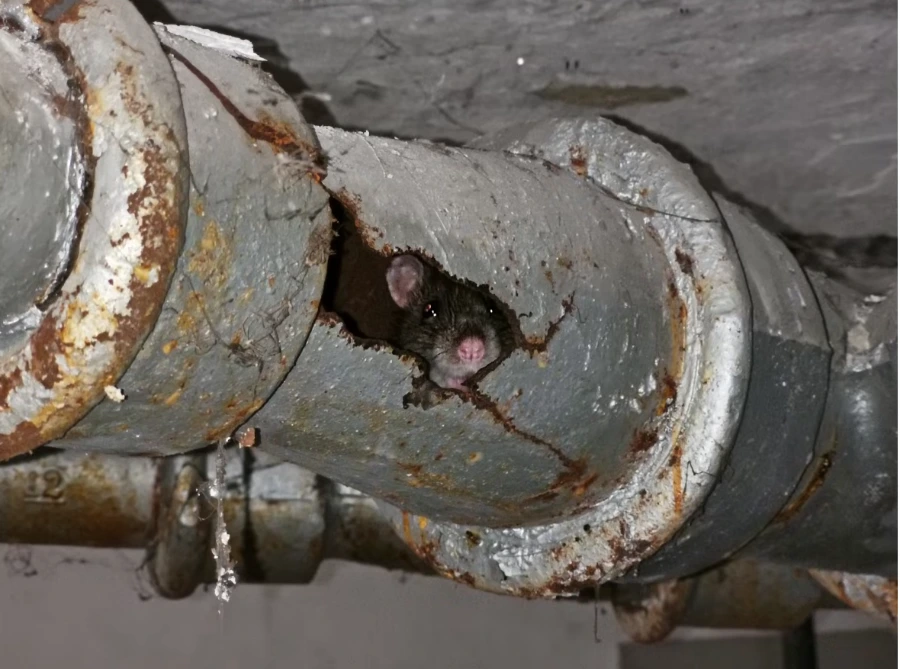
For detailed information about removal from attic spaces, visit our Attic Rodent Removal in Houston service page.
Mouse Removal Services for Houston Homes
The appropriate removal approach depends on where mice are active and the conditions around the property.
Mouse Removal from Homes
Mice inside a home may travel through kitchens, bedrooms, utility areas, cupboards, garages, and storage spaces. A mouse removal assessment should consider the places where signs have been found, rather than focusing only on the room where someone saw a mouse.
If you need mice removal from a home or mice removal from a house, explain where you have noticed activity and whether you have found droppings, damaged packaging, or nesting material.
A provider can then discuss suitable removal methods and whether additional inspection or follow-up is needed.
Mice in Kitchens and Food-Storage Areas
Mice around food-storage areas require careful attention because droppings and urine can contaminate surfaces and food packaging.
Before a service visit:
- Keep food in secure, closed containers.
- Remove accessible food waste.
- Keep children and pets away from areas with visible mouse activity.
- Avoid handling droppings or nesting material without appropriate precautions.
- Tell the provider if you have found evidence inside cupboards or near food-preparation surfaces.
Discard food that may have been contaminated. Ask the service provider whether additional cleanup is needed after removal.
Mice in Walls and Ceilings
Mice can move through concealed spaces, so the place where you hear them may not be the place where they entered.
An assessment may consider the location and timing of sounds, nearby droppings, and other evidence. Do not open walls or ceilings without understanding what is behind them and whether the work is safe.
Mice Removal from Attics
If mice are active in an attic, the service provider may need to consider attic access, nesting signs, droppings, and the condition of stored materials or insulation.
Mice removal from an attic is related to, but not the same as, attic cleanup or insulation remediation. Ask which tasks are included in the quotation.
For the complete attic-specific service, see our Attic Rodent Removal in Houston page.
How Professional Mouse Removal Works
The exact approach depends on the property and the service provider. A typical mice removal enquiry may involve the following stages.
Discuss the signs you have noticed
Explain where you have seen mice, heard scratching, or found droppings. Mention how long the signs have been present and whether more than one area is affected.
Assess the affected areas
The provider may inspect accessible rooms, cupboards, garages, storage areas, and other locations where activity has been reported. If the signs point to an attic or concealed space, the provider can explain whether further inspection is appropriate.
Review suitable removal methods
Based on the findings, the provider can discuss appropriate control options. These may include targeted traps or other suitable measures, depending on the location and circumstances.
Explain safety precautions
Tell the provider if children, pets, or other occupants use the affected areas. Ask where equipment will be placed, what areas should be avoided, and whether any preparation is needed before or after service.
Discuss follow-up
Ask how activity will be monitored, whether a follow-up visit is recommended, and what to do if you continue to notice signs after the initial service.
A clear explanation of the service scope helps you understand what the visit includes and whether additional work will be needed.
Mice Removal and Prevention: What Is the Difference?
Mice removal and mouse prevention are related, but they address different parts of the problem.
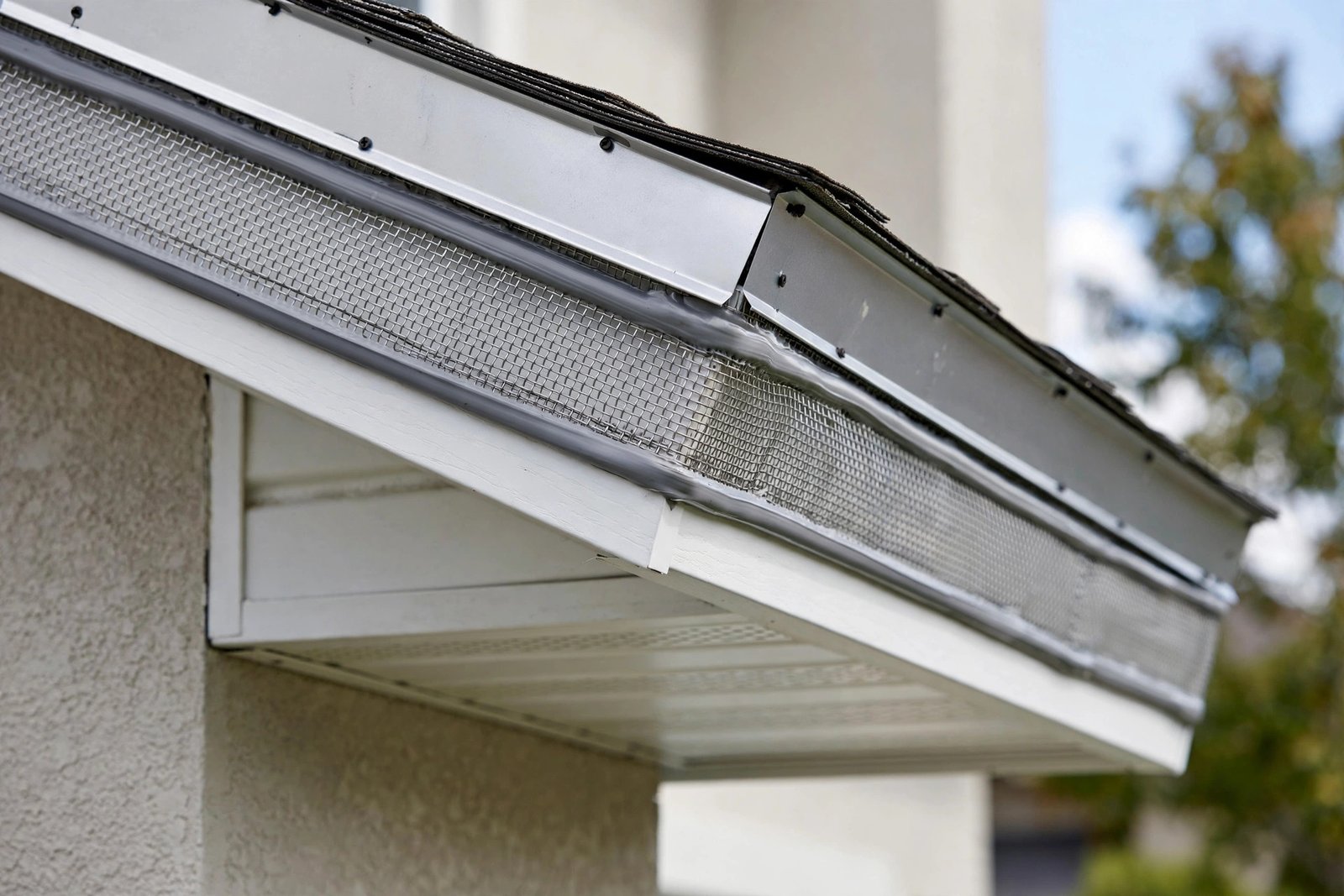
Removing mice does not automatically seal the openings they may have used to enter. If an inspection identifies gaps or other access points, ask whether the provider offers exclusion work or can arrange a separate assessment.
| Service | Main purpose |
|---|---|
| Mice removal | Addresses mice already active inside a property |
| Mouse trapping | Uses suitable traps to capture mice as part of a control plan |
| Monitoring | Helps assess whether mouse activity continues |
| Rodent exclusion | Identifies and seals suitable openings to reduce future entry |
| Rodent cleanup | Addresses droppings, urine, nesting materials, and contaminated debris |
For detailed information about sealing openings and reducing future entry, visit our Rodent Exclusion & Proofing in Houston page.
For contaminated attic materials and rodent waste, see our Rodent Droppings Cleanup & Attic Sanitation in Houston page.
Mice Removal Cost in Houston, TX
The cost of mice removal depends on the location and extent of the activity and the work required. There is no single price that applies to every Houston property.
A service provider may consider:
- The size and layout of the property.
- The number of areas where mouse activity has been reported.
- Whether mice are active in accessible rooms or concealed spaces.
- The type of control method recommended.
- Whether monitoring or follow-up visits are required.
- Whether attic inspection, exclusion, or cleanup is needed separately.
How much does mice removal cost?
The most reliable way to understand mice removal cost is to request an assessment and a clear quotation. Ask what the proposed service includes before approving the work.
What affects mice removal service cost?
Mice removal service cost may vary according to the affected areas, accessibility, extent of activity, equipment or methods required, and follow-up arrangements.
For example, a problem limited to an accessible storage room may require a different scope from one involving several rooms or a concealed attic space.
Finding affordable mice control
If you are comparing affordable mice control options or searching for a cheap mice exterminator near you, compare the service details rather than choosing only by the lowest advertised price.
Ask whether the quotation includes:
- Inspection of the reported areas.
- Trap placement or other agreed control measures.
- Monitoring and follow-up.
- Advice about food storage and conditions that may attract mice.
- Separate charges for exclusion or cleanup.
- Any additional visits that may be needed.
An affordable mice exterminator should still be able to explain the proposed work, relevant credentials, safety precautions, and any additional charges clearly.
Choosing a Mouse Pest-Control Company in Houston
Choosing a mouse pest-control company involves more than comparing advertisements. You are allowing someone to assess and work inside your property, so it is important to understand who will perform the service and what the work involves.
When comparing mice removal companies near you, ask:
- Will the provider assess the areas where mice have been reported?
- Can they explain the proposed removal methods?
- Will they discuss precautions for children and pets?
- Are monitoring and follow-up visits available?
- Is exclusion included, or quoted as a separate service?
- Will you receive a clear description of the work and its cost?
- Can the provider supply the applicable Texas pest-control licence details?
If you are searching for the best mice removal near you, the best mice removal companies, or the best mouse removal service, look for transparent service descriptions, verifiable credentials, and a clear explanation of what happens after the initial visit.
Texas regulates structural pest-control businesses and individuals performing covered work for compensation. You can review the Texas Department of Agriculture’s Structural Pest Control Licensing information.
Rodent Control Houston helps connect property owners with independent service providers. Confirm the identity, credentials, service scope, and pricing of the provider who will perform the work before authorising service.
Mice Removal Help in Houston
Mouse activity can occur in many types of indoor spaces, including kitchens, cupboards, garages, storage areas, walls, ceilings, and attics.
If you are in Houston, TX, and need help with mice inside your property, describe the signs you have noticed and the areas affected. This information can help determine which type of service may be appropriate and whether the location falls within a provider’s service area.
Contact Rodent Control Houston to discuss your mice removal enquiry.
Not sure the signs point to mice? Work through the signs of mice in a house first. Because numbers grow quickly, this explainer on how fast house mice reproduce shows why early action matters, and this guide to what attracts mice covers the food and shelter cues to take away.
For identification, habits and signs, see our house mice guide.
Frequently Asked Questions About Mice Removal in Houston
How do I know if I need professional mice removal?
Droppings, gnaw marks, damaged food packaging, nesting materials, scratching sounds, or repeated mouse sightings may indicate activity inside your home. If you continue to notice signs or cannot locate where mice are hiding, a professional assessment may help.
How do I remove house mice?
Start by identifying where you have noticed signs of activity and removing access to food and waste. A suitable removal plan may involve inspection, targeted trapping, monitoring, and a separate assessment of possible entry points. Avoid handling droppings or nesting material without following appropriate safety guidance.
How do I control rodents in my home?
Rodent control begins with identifying the animal and the extent of activity. For house mice, this may involve inspection, suitable removal methods, food-storage improvements, monitoring, and separate exclusion work where needed. Rats and mice should not automatically be treated as the same pest because their habits and nesting locations can differ.
Can mice get into an attic?
Yes. Mice can use accessible openings to enter building spaces and may nest in sheltered areas. If you hear scratching overhead or find droppings in an attic, an attic-specific assessment can help identify the extent of activity.
Does mice removal include sealing entry points?
Not necessarily. Mice removal addresses existing activity, while rodent exclusion focuses on identifying and sealing suitable openings. Ask whether exclusion is included in the quotation or needs to be arranged separately.
How much does mice removal cost in Houston?
The cost depends on the affected areas, the extent of activity, accessibility, control methods, and whether follow-up or additional services are needed. Request a clear quotation that explains what is included.
Are mouse traps enough to solve a mouse problem?
Traps can be useful for capturing mice, but trapping alone may not address every condition that allows them to enter or remain inside a property. A provider can explain whether monitoring, additional traps, or a separate exclusion assessment is appropriate.
Is professional mice removal necessary if I have only seen one mouse?
One sighting does not establish the size of an infestation. However, droppings, repeated sightings, gnaw marks, or other signs may indicate more activity than you have directly observed. Checking the affected area can help you decide whether professional help is appropriate.
Are mice dangerous to have inside a home?
Mice can contaminate food and surfaces with urine and droppings and may damage stored materials. Avoid direct contact with mice, droppings, and nesting materials. Follow CDC guidance for safe cleanup and seek professional help when contamination is extensive.
Should I vacuum mouse droppings?
No. The CDC advises against sweeping or vacuuming rodent droppings, urine, or nesting materials before proper disinfection. See the CDC’s rodent cleanup guidance.
See the full list of Houston rodent control services.
Request Mice Removal Help in Houston
Noticing mouse droppings in your kitchen, scratching inside a wall, or movement in your attic? You do not need to guess where the mice are hiding or which service is appropriate.
Explain what you have found and where the activity is occurring. Rodent Control Houston can help connect you with an independent service provider to discuss the next steps.
Ask about provider credentials, service-area coverage, inspection arrangements, and the work included in your quotation before booking.