
Home›Rodent Control League City, TX
LEAGUE CITY, TEXAS
Rodent Control in League City, TX
A rodent problem is not always obvious at first. You might hear movement inside a ceiling, discover damaged food packaging, or find droppings in a utility or storage area without ever seeing the animal responsible. The challenge is understanding what the evidence means and deciding which service may be appropriate.
When you never see the animal, the signs of a rat infestation are the place to start.
Movement sounds in a ceiling are covered in our guide to attic scratching noises.
If you are considering rodent control league city options, this guide explains how to approach common rodent concerns, what to ask about during an inspection enquiry, and how treatment and exclusion fit together.
Our website connects visitors with independent service-provider options. We do not personally inspect properties, exterminate rodents, seal building openings or perform cleanup. You can describe your situation through our enquiry platform and ask about providers who may be able to assist. Coverage, availability, pricing and service arrangements must be confirmed directly with the relevant provider.
Explore independent service-provider options; confirm coverage and availability directly.
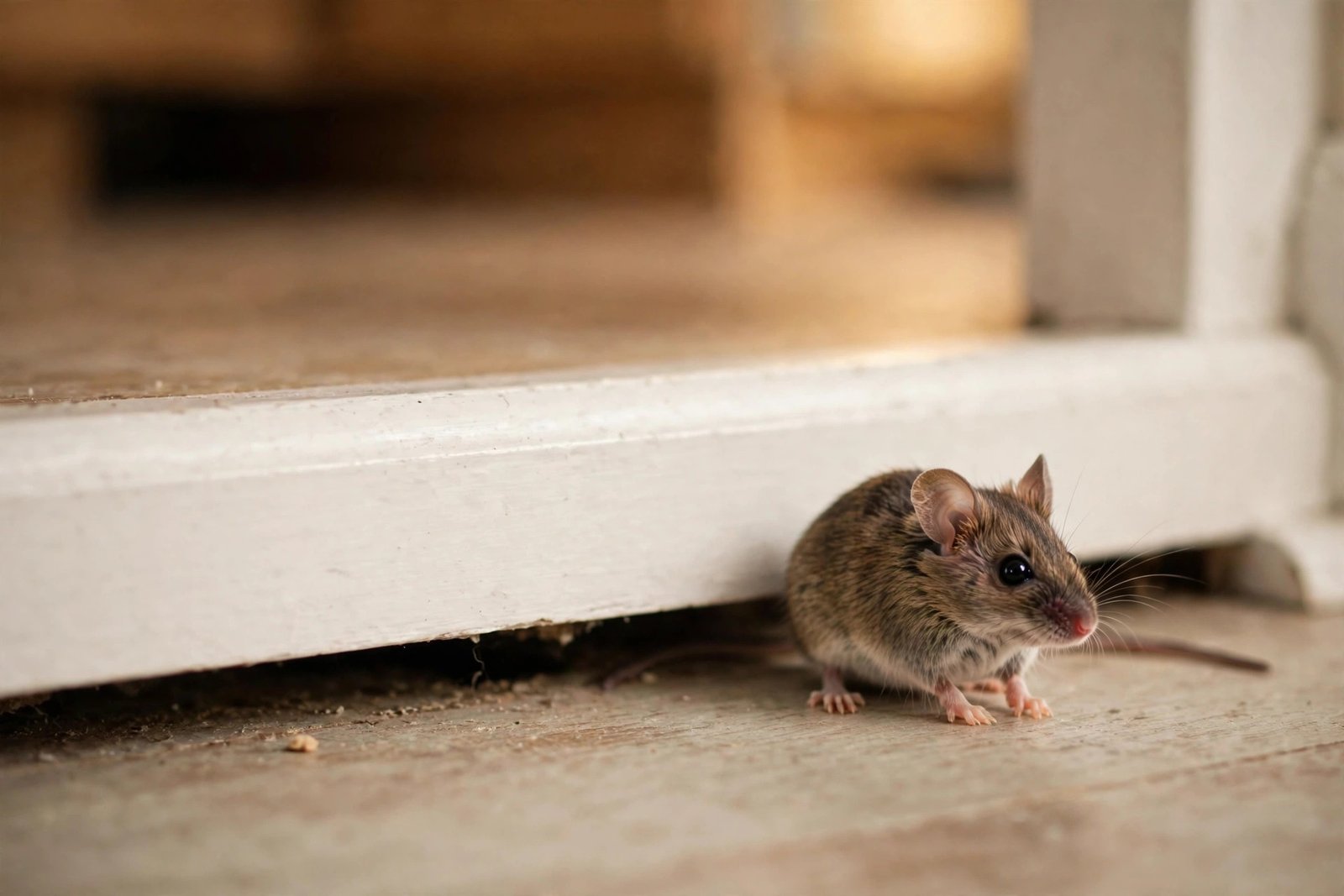
Rat & Mouse Concerns
Signs of rat or mouse activity, including droppings, noises, gnaw marks and nesting material in League City properties.
Inspection & Treatment Questions
What to ask about inspection, treatment options and follow-up arrangements for reported rodent activity.
Entry-Point & Prevention Guidance
Possible entry points, sealing considerations and practical steps that may help reduce future rodent activity.
Rodent Control Services for League City Properties
The right response to rodent activity depends on what has been observed, where it is happening and whether the concern involves rats, mice or an unidentified animal.
When discussing professional services, consider asking about these areas:
- Rodent activity assessment and inspection.
- Rat removal and control options.
- Mouse removal and treatment options.
- Inspection of accessible areas where signs have appeared.
- Rodent extermination and treatment recommendations.
- Exclusion and sealing of suitable entry points.
- Prevention advice and follow-up arrangements.
A service proposal should explain what the provider will actually do. For example, treatment may address reported rodent activity, while entry-point repairs may require a separate service. Do not assume that cleanup, insulation replacement or structural repairs are automatically included.
How to Recognize a Possible Rodent Problem
Rodents can remain concealed in parts of a building. Their presence may become apparent through physical evidence, repeated noises or damage to accessible materials.
Related: rat droppings cleanup and attic sanitation
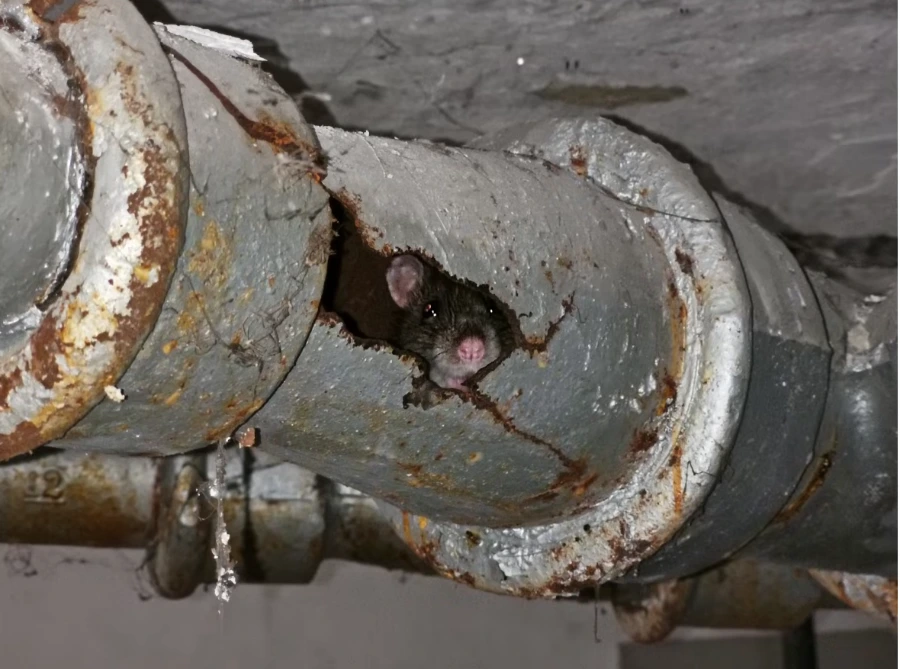
Droppings in enclosed areas
Droppings may be noticed near food storage, cupboards, shelving, garages or along walls. Their location can help identify areas that may need further assessment.
Avoid touching droppings or sweeping suspected contaminated material into the air. Ask an appropriate provider about safe inspection and cleanup arrangements.
Scratching noises inside walls or ceilings
Movement or scratching sounds may be heard above ceilings, behind walls or beneath floors. These noises do not prove that rodents are present, but recording their location and timing can help explain the concern during an enquiry.
Gnaw marks and damaged packaging
Rodents may gnaw through food packaging and other accessible materials. Look for damage around stored goods, plastic items and suitable building materials.
Nesting material and unusual odors
Shredded paper, fabric or other gathered materials may indicate a possible nesting area. An unusual persistent odor in an enclosed space may also warrant attention.
One sign does not establish the species or the severity of a problem. Consider the combination of observations and whether they are recurring.
Rat Removal and Rat Control
Rat activity can involve concealed areas, storage spaces, garages, roof structures or other parts of a property. A rat sighting may be only one indication of a wider concern, particularly when other signs are present.
If you suspect rats, describe the evidence rather than guessing the species. Droppings, sounds and gnaw marks should not be treated as definitive identification on their own.
When discussing rat removal, ask the provider:
- How will the reported activity be assessed?
- Which treatment options may be suitable?
- Will accessible areas be checked?
- Are potential access points considered?
- Is exclusion available as part of the service?
- What follow-up arrangements are recommended?
The proposed work should distinguish between controlling existing rodent activity and reducing opportunities for further entry.
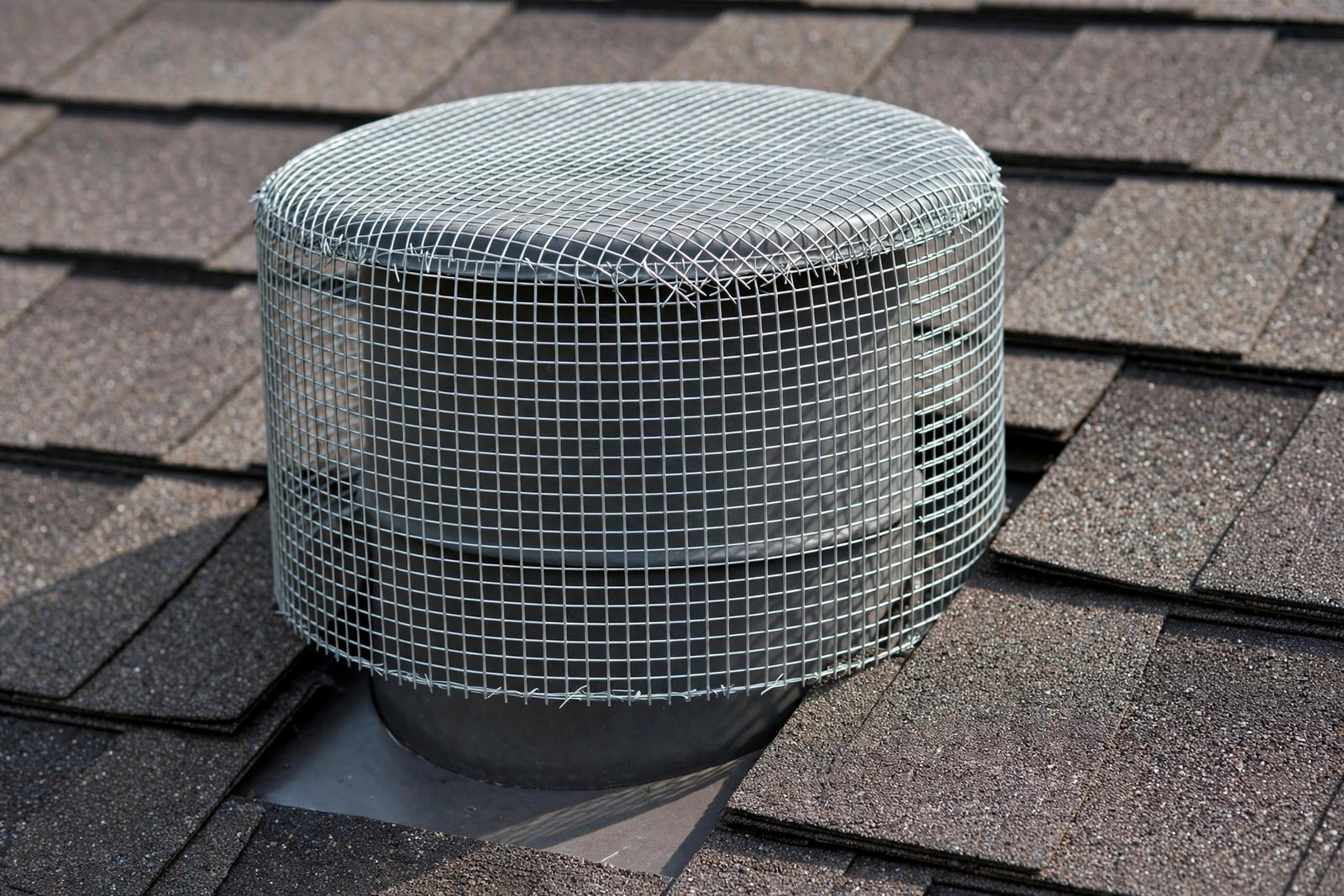
Learn more about rat removal options.
Related Houston service information — this does not confirm provider coverage in League City.
Mouse Removal and Mouse Control
Mice may leave signs around kitchens, food storage, cupboards, garages and utility areas. Because they can remain hidden, property owners may notice droppings or damaged packaging before seeing an animal.
A mouse-control enquiry should explain:
- Where the signs have appeared.
- Whether food or stored materials have been damaged.
- Whether droppings or nesting material are visible.
- How frequently the signs occur.
- Whether the property has visible openings that may need attention.
If you are unsure whether the animal is a mouse or rat, say so. A suitable assessment is preferable to assuming a species based on incomplete evidence.
Ask whether the provider offers mouse removal, what treatment methods are available and whether an inspection of potential access points is included.
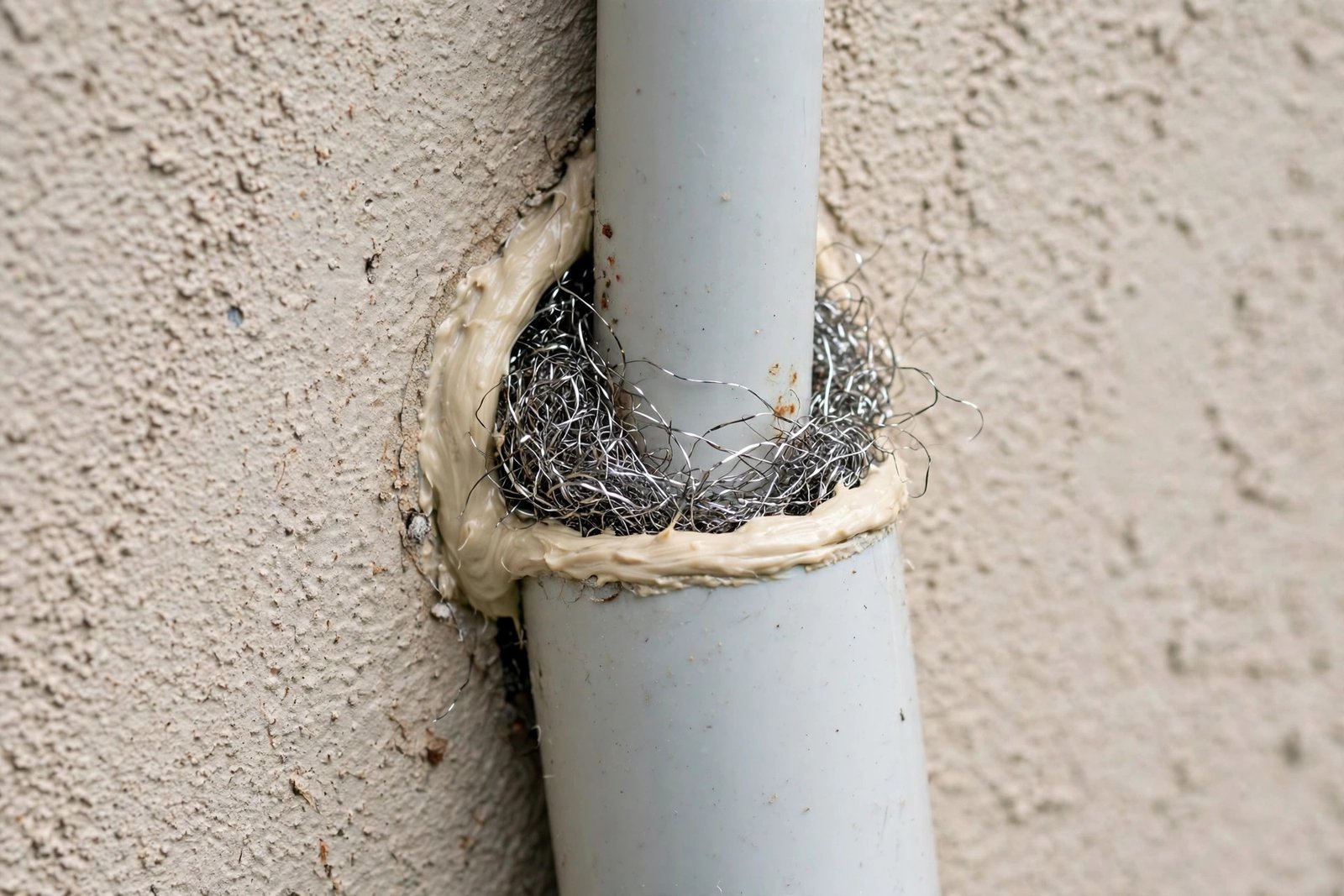
Learn more about mouse removal information.
Related Houston service information — this does not confirm provider coverage in League City.
Rodent Inspection: Finding the Areas That Need Attention
An inspection enquiry can help establish which parts of a property may need further assessment. The area where signs are discovered is not necessarily where rodents entered.
Useful information to provide includes:
- The type of evidence noticed.
- The room or building area involved.
- When the activity was first observed.
- Whether the signs have appeared more than once.
- Whether an animal has been seen directly.
Attic and roof-space concerns
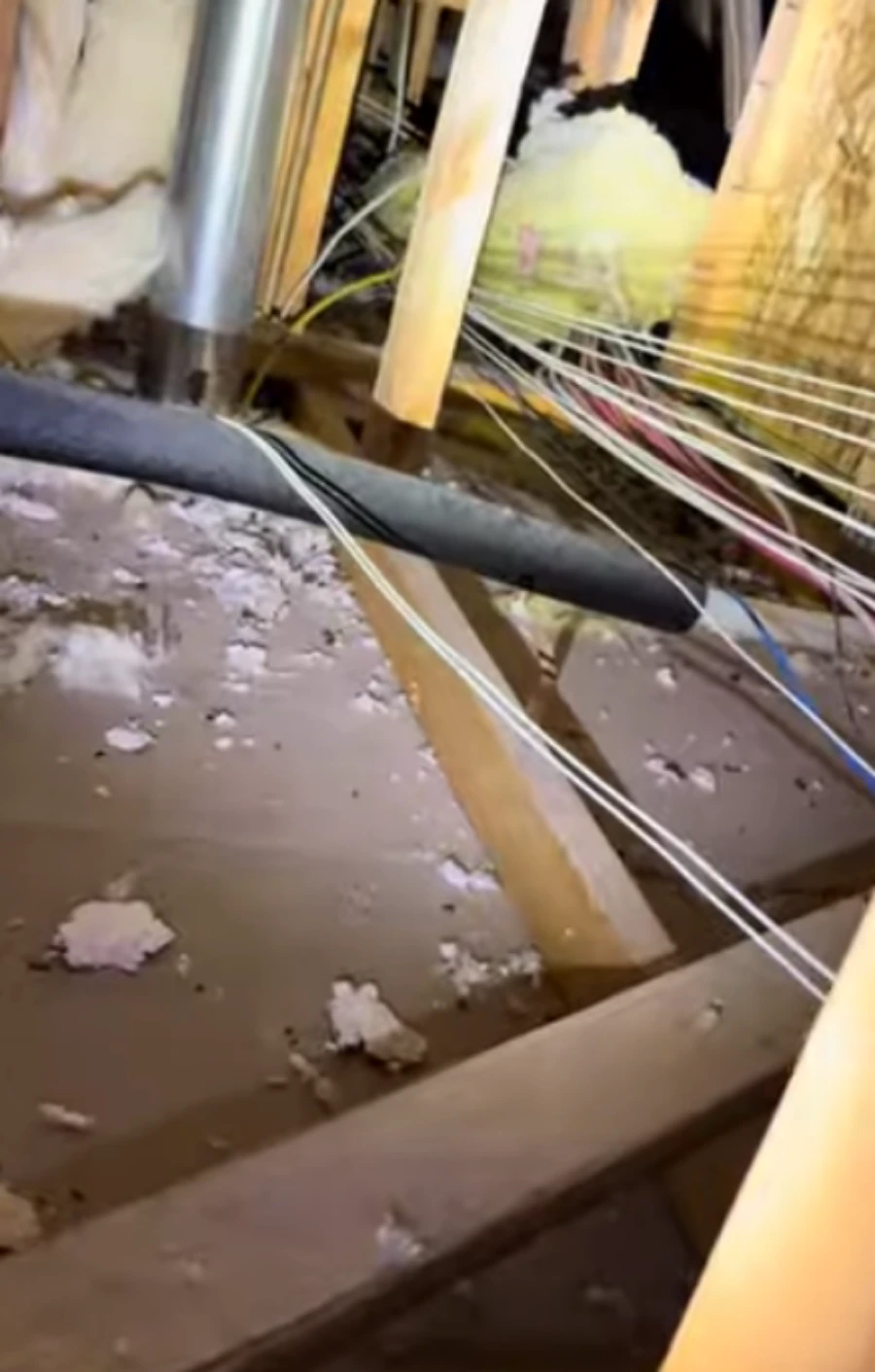
Attics can contain insulation, stored belongings and concealed structural spaces. If you hear movement overhead or find evidence near an attic access point, ask whether an attic assessment is available.
Confirm whether the provider can assess accessible areas and whether reported insulation damage, nesting material or possible openings are within the service scope.
Do not enter an unsafe attic or disturb potentially contaminated insulation.
Garage and utility-area concerns
Garages may contain stored items, equipment, packaging and materials that make signs difficult to notice. Explain whether evidence has appeared near a door, stored belongings, an adjoining wall or a utility opening.
Crawl spaces and concealed wall areas
If you hear movement beneath a floor or inside a wall, record where and when it occurs. Avoid entering confined or unsafe spaces or opening walls to investigate.
Ask the provider what areas can be safely assessed and whether special access arrangements are necessary.
Rodent Extermination and Treatment Planning
Rodent extermination refers to treatment intended to control or eliminate rodent activity. The appropriate method depends on the reported problem, the property and the provider’s assessment.
Before agreeing to treatment, ask for clear answers to these questions:
- What evidence supports the proposed treatment?
- Which rodent is the service intended to address?
- Which areas will be treated?
- Are there preparation requirements for occupants?
- Are precautions needed for children or pets?
- Is monitoring or follow-up recommended?
- Does the proposal include exclusion or only treatment?
A clear proposal helps you understand the work before agreeing to it. Avoid relying on unsupported claims of permanent elimination or guarantees that have not been documented.
Rodent Exclusion and Structural Entry-Point Sealing
Rodent exclusion addresses openings that may allow rodents to access a building. It complements treatment by focusing on possible routes into the property.
Areas that may need assessment include:
- Gaps around doors and windows.
- Openings around pipes and utility lines.
- Damaged garage-door seals.
- Gaps around foundations and exterior walls.
- Roofline, soffit and vent openings.
- Access points around attic and crawl-space areas.
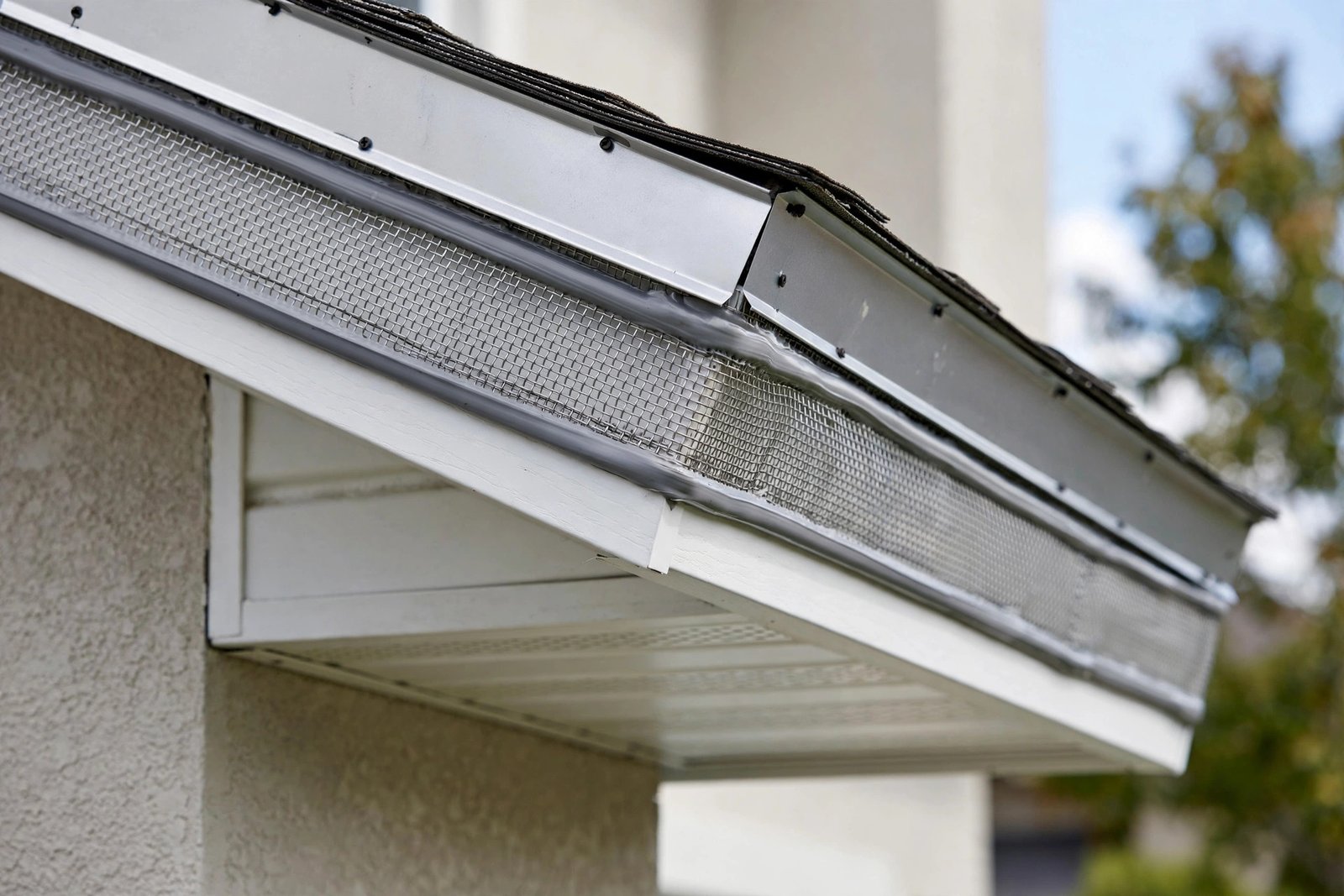
The correct repair depends on the opening, its location and the surrounding building materials. Some gaps or openings may serve ventilation or drainage purposes, so they should not simply be blocked without an appropriate assessment.
When discussing rodent proofing, confirm whether the provider identifies openings, supplies suitable sealing materials, performs repairs and checks the completed work. Ask whether these tasks are included in the proposed price.
Try the Rodent Entry Point Checker
Learn more about rodent exclusion services.
Related Houston service information — this does not confirm provider coverage in League City.
Residential Rodent Control
Rodent activity in a residential property can affect more than one room. A concern may begin around food storage and later involve a garage, attic or concealed building area.
When making a residential enquiry, explain:
- Whether the property is a house, apartment, townhome or rental.
- Which rooms show evidence of activity.
- Whether rats, mice or an unidentified rodent have been observed.
- Whether the problem appears recent or recurring.
- Whether possible entry openings have been noticed.
Tenants should check relevant permission and access requirements before arranging work. Property owners should clarify responsibilities for shared spaces where applicable.
Ask for the proposed treatment scope and confirm whether exclusion, repairs and cleanup are separate services.
Commercial Rodent Control

Rodent concerns in commercial premises may involve stored goods, food-related areas, equipment, utility spaces or access points. The appropriate service discussion should account for how the property operates.
When making a commercial enquiry, explain:
- The type of business premises.
- Where signs of activity have been found.
- Whether stock, food or equipment may be affected.
- Any access restrictions or operating-hour requirements.
- Whether structural sealing or repair work may also be needed.
Confirm that the independent provider handles your type of commercial property. Request a written explanation of the work, preparation requirements, pricing and follow-up arrangements before proceeding.
Learn more about commercial rodent control in Houston.
Related Houston service information — this does not confirm provider coverage in League City.
Prevention and Long-Term Rodent Protection
Treatment and prevention address different aspects of rodent concerns. Prevention focuses on reducing accessible food, shelter and potential building access routes.
Practical steps include:
- 1Store food and animal feed in secure containers.
- 2Clean food residue and crumbs from storage and preparation areas.
- 3Keep rubbish in suitable containers with secure lids.
- 4Avoid leaving pet food accessible for extended periods.
- 5Organize storage areas so signs of activity are easier to notice.
- 6Check door seals and visible openings around utility lines.
- 7Arrange appropriate repairs for damaged exterior materials.
- 8Ask about follow-up or monitoring if activity continues.
These steps can help reduce conditions that may contribute to rodent activity, but they cannot guarantee that rodents will never enter a building.
If signs return after treatment, explain where and when new evidence appeared. Ask whether additional assessment or exclusion work may be appropriate.
What to Expect When You Contact a Provider
You do not need to identify the species or locate a nest before making an enquiry. Clear observations are a useful starting point.
Step 1 — Explain what you noticed
Describe any droppings, scratching sounds, gnaw marks, sightings, odors or nesting material.
Step 2 — Identify the affected area
Mention whether the concern involves a kitchen, garage, attic, crawl space, roofline or wall.
Step 3 — Describe your property
Explain whether it is residential or commercial and mention any relevant access restrictions.
Step 4 — Discuss the services you need
Ask about inspection, rat removal, mouse control, treatment, exclusion and cleanup where relevant.
Step 5 — Confirm the service details
Check provider coverage, availability, appointment arrangements, treatment methods, preparation instructions, pricing and follow-up requirements directly with the provider.
An enquiry does not automatically confirm a provider connection or book an inspection. The independent provider must confirm availability and agree to the proposed work.
Discuss Rodent Control Options in League City
If you have noticed recurring droppings, heard movement inside a ceiling or found damaged materials, start by explaining what you have observed and where it is happening.
Use our contact page to describe your property concerns and ask about independent service-provider options. You can discuss the type of assistance you need and confirm whether a provider covers your property in League City.
Before arranging work, confirm the provider’s coverage, availability, service scope and price.
INTERACTIVE RODENT CONTROL TOOLS
Helpful Rodent Assessment Tools
Not sure where to start? These interactive tools can help you review possible rodent signs, entry points and cost factors before submitting an enquiry.
Rodent Problem Checker
Review possible signs of rodent activity and organize your observations.
Entry Point Checker
Review common areas where gaps or possible rodent access points may exist.
Rodent Control Cost Estimator
Organize property details and review factors that may influence the cost of potential rodent-related services.
Discuss Your Rodent Concerns in League City
Explain what you have noticed, identify the affected property area and ask about independent service-provider options.
Rodent Control Houston is an enquiry and connection platform. Independent providers determine their own coverage, availability, prices and service scope. No appointment or treatment is confirmed until agreed directly with the provider.
Frequently Asked Questions
How can I enquire about rodent control in League City?
Use the contact page to explain the signs you have noticed, the affected areas and your property type. You can ask about independent service-provider options. Actual coverage and availability must be confirmed directly.
What are the most common signs of rodent activity?
Common signs include droppings, gnaw marks, scratching noises, nesting material, unusual odors and repeated sightings. These signs may indicate rodent activity but do not independently confirm the species or extent of a problem.
Can I ask about both rat removal and mouse control?
Yes. Explain whether you have seen a rat, a mouse or only indirect evidence. Ask which rodent species the provider handles and whether further identification is needed.
Do rodents enter attics and garages?
Rodents may access suitable openings around rooflines, doors, vents, utility lines and other building features. If you notice activity in an attic or garage, mention the exact area when enquiring.
What is included in a rodent inspection?
The inspection scope depends on the provider and property. Ask which reported areas can be assessed, whether potential entry points are considered and whether the provider will explain recommended next steps.
Does rodent extermination include entry-point sealing?
Not automatically. Treatment and exclusion are different parts of rodent management. Confirm whether sealing and structural repairs are included in the proposed service or require a separate arrangement.
Is rodent droppings cleanup part of rodent removal?
Cleanup is not necessarily included. Ask whether the provider offers droppings cleanup, attic cleanup or contaminated-material handling and what the quoted service covers.
Can rodents damage insulation or electrical wiring?
Rodents may gnaw materials and use concealed spaces for nesting. If you suspect damage to wiring or insulation, avoid disturbing the area and ask about suitable assessment and repair arrangements.
How much does rodent control cost in League City?
Pricing depends on the property, reported activity, affected areas, treatment requirements and whether exclusion or cleanup is needed. No verified League City price list is provided here. Request a provider-specific quote and confirm what it includes. Our rodent control cost estimator can help you review the factors that may influence pricing.
How can I reduce the chance of rodents returning?
Secure food and rubbish, organize storage, check suitable exterior openings and arrange appropriate repairs. If activity continues, ask whether follow-up or exclusion is available. No prevention measure can guarantee that rodents will not return.
Should I open a wall if I hear scratching?
No. Avoid opening walls or entering unsafe spaces to investigate. Record the location and timing of the sound and share those observations with an appropriate provider.
Explore Other Rodent Control Locations
Explore rodent control information for other nearby communities around Houston.
Rodent Control Katy TX
Rodent control guidance for Katy properties, including signs of activity, inspection questions and prevention.
Rodent Control Humble TX
Guidance for Humble property owners exploring rodent activity, inspection questions and possible entry points.
Rodent Control Spring TX
Rodent control information for Spring properties, including signs of activity, treatment questions and prevention.
Rodent Control Pearland TX
Guidance about rodent concerns, inspection enquiries, treatment options and prevention for Pearland properties.
Rodent Control The Woodlands TX
Rodent control information for The Woodlands properties, including rodent signs, service options, inspections and prevention.
Rodent Control Cypress TX
Rodent control information for Cypress properties, including rodent activity, inspection questions, entry-point sealing and prevention.
Rodent Control Richmond, TX
Rodent control information for Richmond properties, including rodent activity, inspection questions, treatment options and prevention.
View all rodent control service areas for Houston and the surrounding communities.
Service disclosure: This website is an enquiry and connection platform. It does not personally perform rodent inspections, extermination, exclusion, building repairs or cleanup. Independent providers determine their own coverage, availability, prices and service scope. No appointment or treatment is confirmed until agreed directly with the provider.