
Houston’s Rodent Specialists
Rodent Control Houston for Rats, Mice & Attic Problems
Licensing disclosure: Verified Texas certified applicators and licensed operators. Chemical applications are handled by independent certified applicators, while physical exclusion is performed by specialized technicians.
Service area: Greater Houston, including The Heights, River Oaks, Memorial, Katy, Sugar Land, Pearland, The Woodlands, and surrounding communities
Inspection fee credited toward approved work
Service terms: 90-Day Rodent-Free Return Protection Guarantee, with zero mandatory recurring monthly contracts.
Interactive Tool
Houston Rodent Cost Estimator
See a Possible Service Range Before You Call
The estimator uses your property type, rodent problem, activity location, exclusion needs, and cleanup requirements to produce a planning range.
Instant planning tool
Answer 5 quick questions about your property and rodent activity to see a possible service range — in a popup, without scrolling through a long form.
Houston Rodent Cost Estimator
Houston Rodent Cost Estimator
Answer 5 quick questions to see a possible planning range before you call. This is a planning estimate only – confirmed pricing comes with your inspection.
Your estimate considers
| Factor | Why It Matters |
|---|---|
| Property type | A house, rental, apartment, or commercial property may require different inspection and access work |
| Rat or mouse activity | Species and location can affect the control approach |
| Attic or crawl space | Access and affected materials can change the scope |
| Multiple areas | More activity areas may require additional inspection or monitoring |
| Exclusion | Entry point location, size, materials, and access affect repair work |
| Cleanup | Droppings, nesting material, odor, and contaminated materials can add work |
| Previous treatment | Earlier trapping or treatment can affect the inspection and follow up plan |
Service pricing
| Service | Range |
|---|---|
| Inspection | $99 to $199 |
| Mouse service | $250 to $450 |
| Rat service | $350 to $700 |
| Exclusion | $300 to $2,000 |
| Attic cleanup | $400 to $1,800 |
| Insulation | Per square foot after inspection |
The inspection fee is credited toward approved work.
Use the calculator to understand the possible scope before contacting us.
Find the Source
Where Could Rats or Mice Be Getting Inside?
Check the Common Entry Points
Seeing a rodent in the kitchen does not prove that the kitchen is where it entered.
Access may involve a roof opening, soffit, vent, garage door, pipe penetration, utility opening, crawl space, or another connection between the building and outside.
The CDC recommends checking gaps and holes inside and outside the property and sealing openings after they are identified. (CDC guide to sealing rodent entry points)
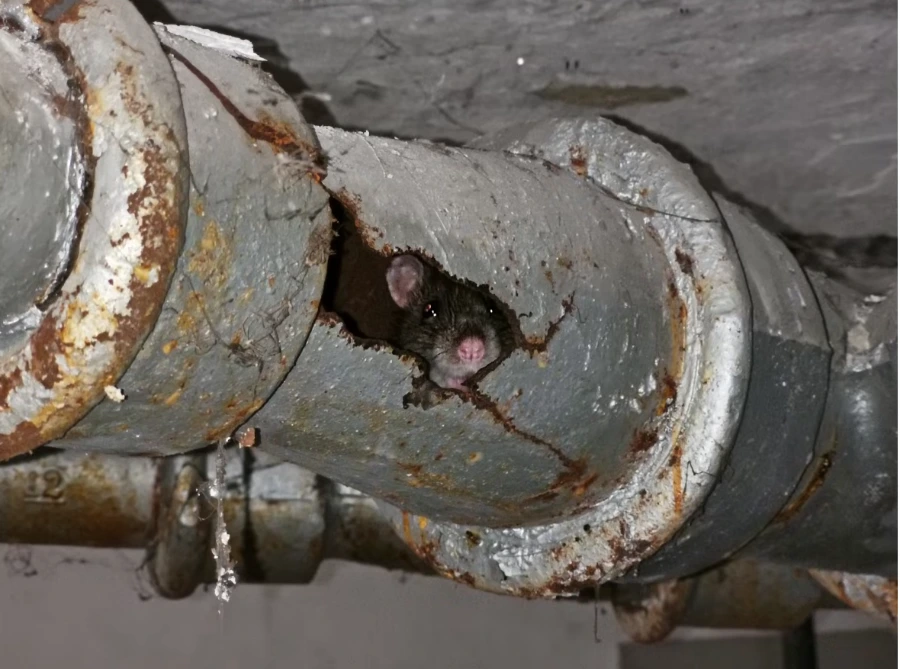
Entry points worth checking
| Area | What to Look For |
|---|---|
| Roof and attic | Openings, damaged screens, gaps around vents |
| Soffits and eaves | Open joints or damaged sections |
| Garage | Door gaps and exterior access |
| Kitchen | Openings around pipes and appliances |
| Utility areas | Electrical, water, gas, and sewer penetrations |
| Dryer vent | Damaged or open exterior vent |
| Crawl space | Gaps near the foundation or access door |
Entry Point Checker
Use the Houston Entry Point Checker to select an area and see what should be inspected there.
Houston Entry Point Checker
Seeing a rodent in the kitchen does not prove the kitchen is where it entered. Pick an area to see what should be inspected there.
Our Services
Rat, Mouse, Attic & Exclusion Services
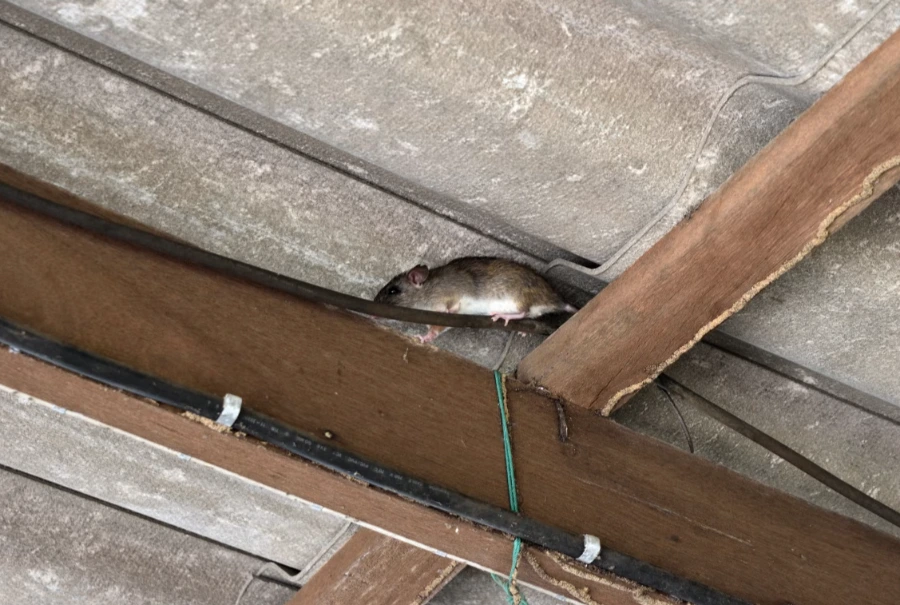
Rat Removal in Houston
Rats can leave signs in attics, garages, crawl spaces, kitchens, wall spaces, and exterior areas.
An inspection therefore needs to consider location as well as the physical evidence.
Our work can involve trapping, monitoring, exclusion, sanitation, and follow up as appropriate to the property.
(Texas A&M AgriLife rodent guidance) (Texas A&M AgriLife IPM)
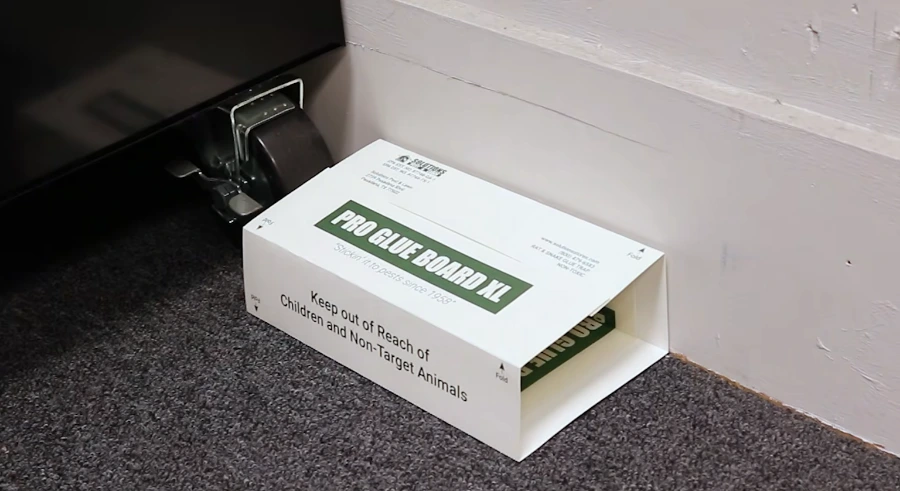
Mouse Removal in Houston
House mice can use very small openings and stay close to protected areas where food, water, and nesting material are available.
You do not need to know that you have a house mouse before contacting a local team.
Tell us what you found and where you found it. (CDC entry point guidance)
Learn more about mouse control for kitchens and living areas
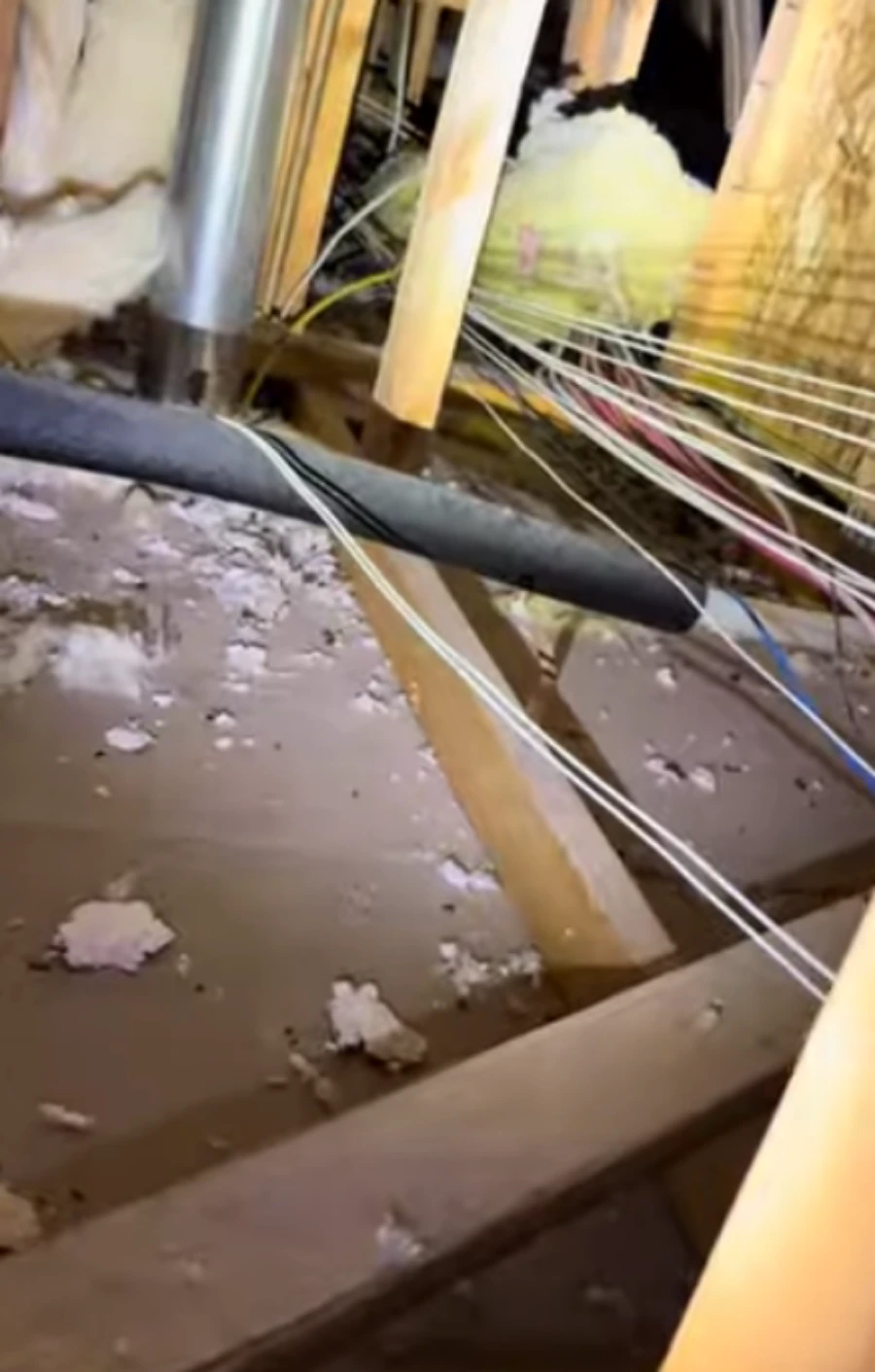
Attic Rat Removal in Houston
Attic activity can remain hidden until a homeowner hears movement, finds droppings, notices an odor, or discovers disturbed insulation or nesting material. (Texas A&M roof rat guidance)
An attic inspection can consider the roofline, vents, soffits, eaves, insulation, nesting areas, droppings, and accessible exterior openings.
The purpose is to connect what is happening inside the attic with the building conditions outside it.
Example scenario: A homeowner hears scratching above a bedroom each night and later notices disturbed insulation. The useful next step is not simply to place a trap in the attic. The attic and accessible roofline need to be checked for evidence and possible access.
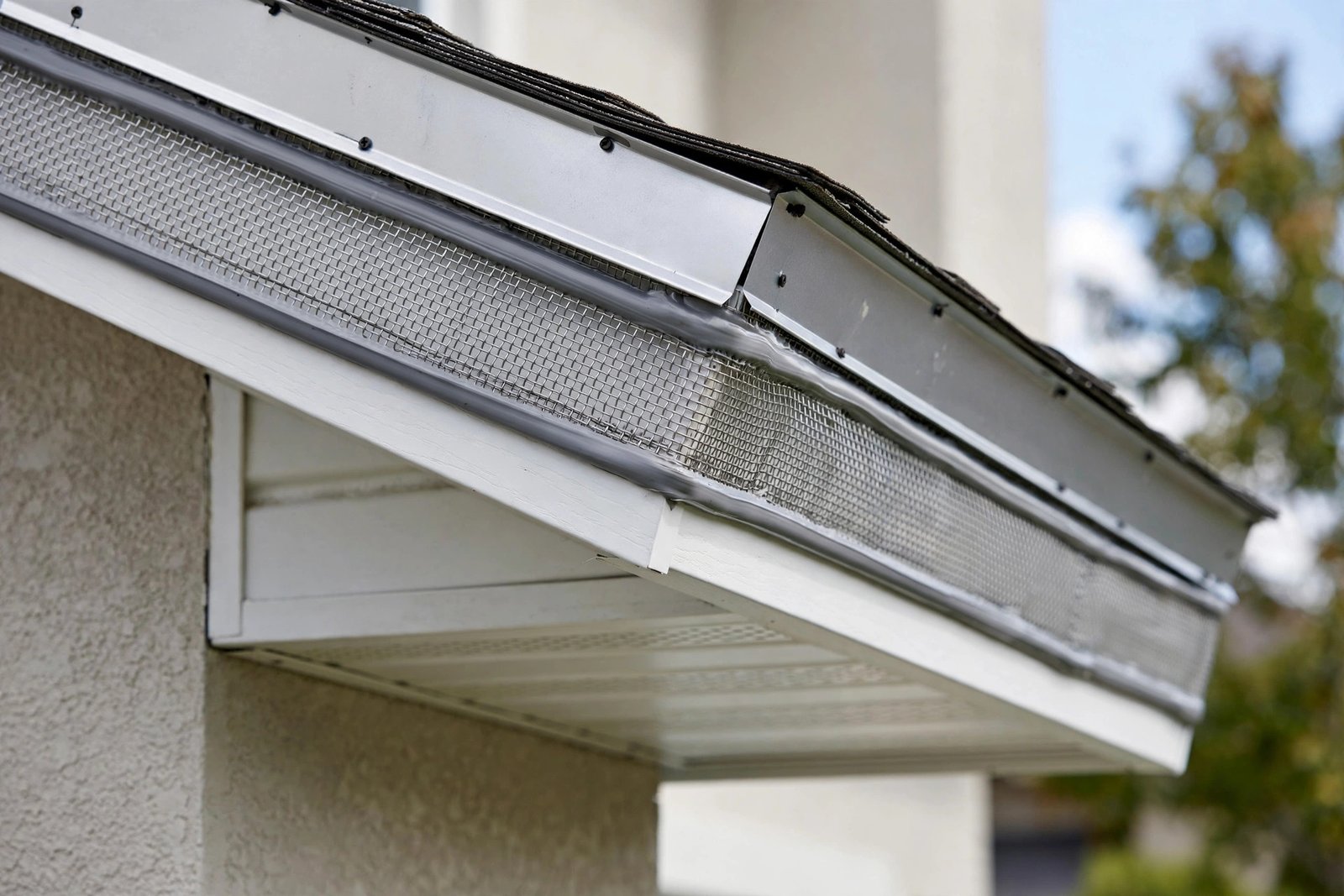
Rodent Exclusion and Proofing
Remove the Active Rodent and Address the Access
Trapping and exclusion solve different parts of the problem. Trapping is used to control active rodents. Exclusion addresses suitable openings that allow rodents to enter.
Texas A&M AgriLife recommends rat proofing with rodent resistant materials and specifically discusses hardware cloth, steel wool, sheet metal, and concrete for suitable applications. (Texas A&M pest proofing guidance)
Depending on the property, exclusion work may involve: soffit gaps, attic vents, garage doors, pipe penetrations, utility openings, crawl spaces, roof openings, and damaged screens.
What You Found and What We Investigate
| What You Found | What We Investigate |
|---|---|
| Scratching above a bedroom | Attic, ceiling, wall spaces, and nearby access |
| Droppings under the sink | Cabinets, plumbing openings, appliances, and connected wall areas |
| Rat in the garage | Garage door, storage areas, exterior access, and nearby shelter |
| Strong attic odor | Nesting, urine, droppings, and affected materials |
| Chewed wiring | Rodent activity around accessible wiring and travel areas |
| Fresh signs after treatment | Continued activity or another active area |
| Nesting material | Shelter and nearby travel route |
| Signs outside near the foundation | Exterior activity and building access |
The first sign gives us a starting point. It does not automatically reveal every part of the problem.
Already Tried Pest Control and the Rodents Came Back?
Tell us what was done.
Previous treatment can help us understand what has already been attempted.
- Where were traps placed?
- Was bait used?
- Which rooms were treated?
- Was exclusion performed?
- How long ago was the work?
- When did the signs return?
CDC recommends placing traps where rodents have been seen or where evidence is present and continuing to monitor for new signs. (CDC trapping guidance)
Example scenario
A customer reports that traps caught mice for several days, but fresh droppings continue behind a refrigerator. That information changes the inspection. The team can review the original treatment area and look for another active route instead of simply repeating the same placement.
How It Works
Our Inspection and Treatment Process
- 1. Tell Us — You explain what you saw, where it happened, when it started, and what has already been tried
- 2. Inspect — We examine relevant interior and exterior areas for evidence and access
- 3. Identify — We determine which areas need control, exclusion, cleanup, or monitoring
- 4. Control — Suitable trapping or other approved methods are selected for the property
- 5. Exclude — Included access points are addressed with suitable materials
- 6. Clean — Rodent waste and affected materials are handled according to the situation
- 7. Follow Up — We check the property according to the service plan
The exact number of visits depends on the property, activity, access, exclusion requirements, cleanup, and monitoring needs.
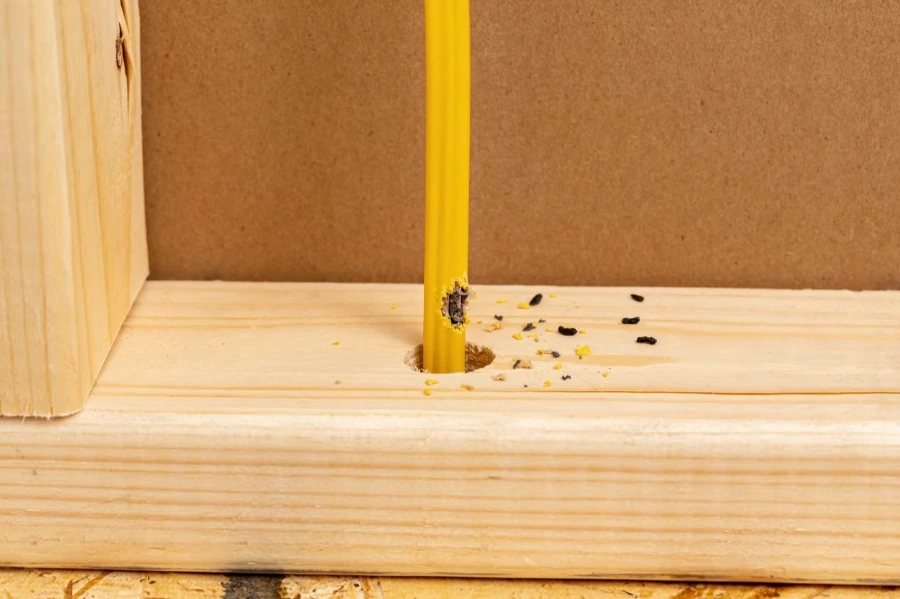
Why Rodent Problems Matter
Rodents can contaminate food and surfaces and can expose people to pathogens through urine, droppings, saliva, and contaminated material.
CDC reports 890 laboratory confirmed hantavirus disease cases in the United States from 1993 through 2023. That is a national surveillance figure, not a Houston case count. Hantavirus disease is uncommon, but some infections can be serious. (CDC hantavirus surveillance)
For Houston property owners, the practical health issue is safe handling of rodent waste and reducing access to buildings. Houston’s animal services guidance notes that rats and mice may be found inside homes in places such as attics, garages, chimneys, and walls and advises covering potential entry points and securing food sources. (City of Houston animal guidance)
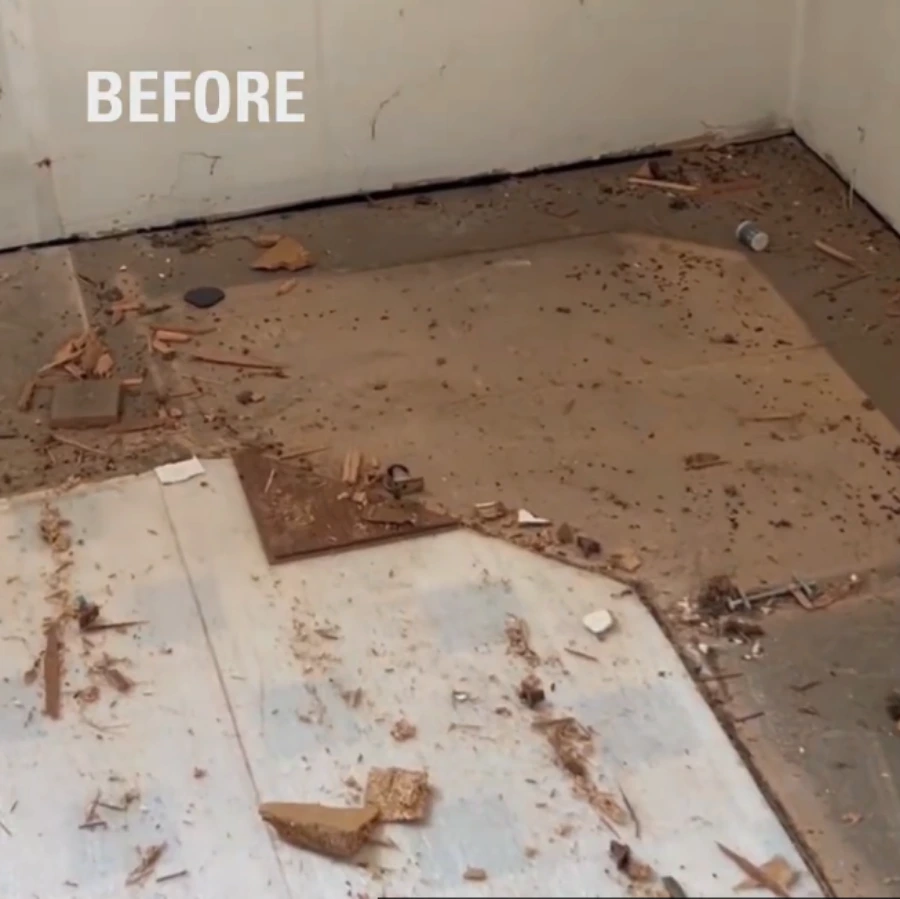
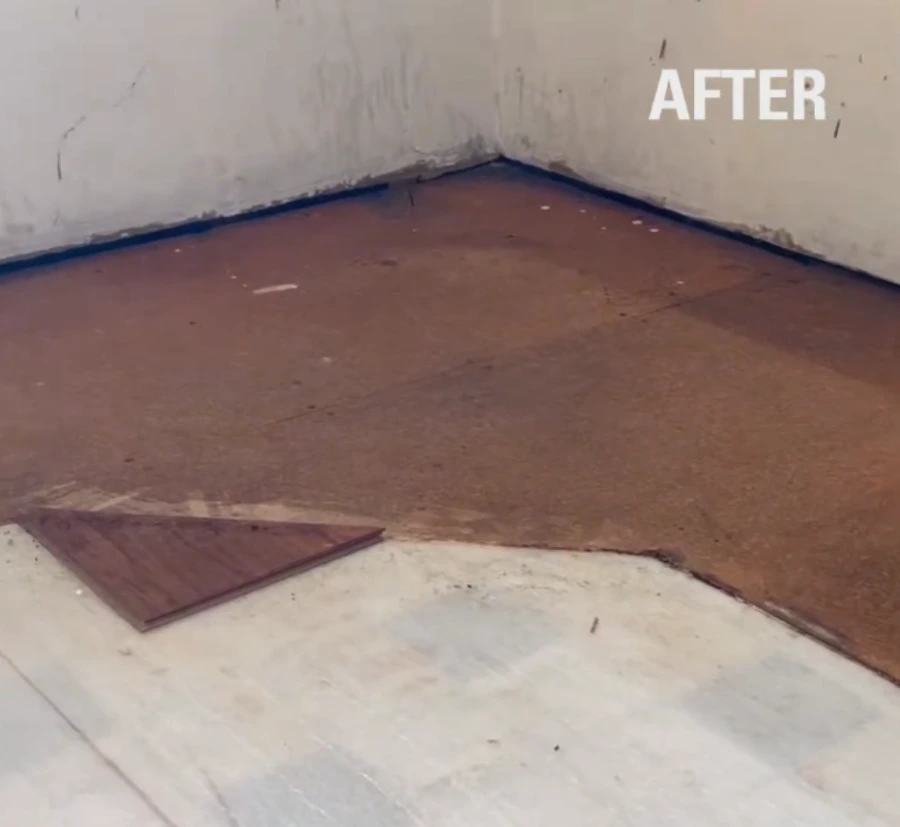
Rodent Droppings Cleanup
Dry rodent waste should not be swept or vacuumed.
CDC guidance says to wear rubber or plastic gloves, thoroughly wet urine and droppings with bleach solution or an EPA registered disinfectant, allow the material to soak for five minutes or follow the disinfectant label, then wipe it up with paper towels and disinfect hard surfaces. (CDC cleanup guidance)
For heavy infestations, additional precautions are needed.
CDC also provides separate guidance for contaminated insulation, dead rodents, nesting materials, and areas where rodents have entered heating or cooling ventilation systems. (CDC cleanup guidance)
If contamination is extensive or difficult to reach, tell us where it was found before disturbing the material.
Learn more about safe rodent waste cleanup
Safe Control Around Children and Pets
Tell us about children, dogs, cats, and other pets before service begins.
Control equipment needs to be placed with the household’s occupants in mind.
CDC recommends keeping traps and bait away from children and pets. (CDC trapping guidance)
EPA also provides guidance on the safe use of rodent bait products and emphasizes following the product label and keeping products away from children and pets. (EPA rodenticide safety)
Houston Rodent Problems After Storm Damage
A major storm can change the physical condition of a property.
Damaged vents, exterior gaps, displaced materials, debris, standing water, and newly sheltered areas can change where rodents can move or hide.
Current CDC disaster guidance states that after a natural disaster, surviving rats and mice can move into new areas in search of food, water, and shelter. CDC recommends securing food and water, reducing hiding places, and addressing openings in buildings. (CDC disaster rodent guidance)
After storm damage, check
- Garage doors and thresholds.
- Roof and attic openings.
- Soffits and vents.
- Exterior walls.
- Storage and debris areas.
- Food and water sources.
Example scenario: A storm damages an exterior vent and leaves debris against the side of a home. The homeowner later finds rodent signs inside the garage. The useful inspection connects the new exterior condition with the indoor evidence instead of treating the garage as an isolated problem.
Fall Roof Rat Note
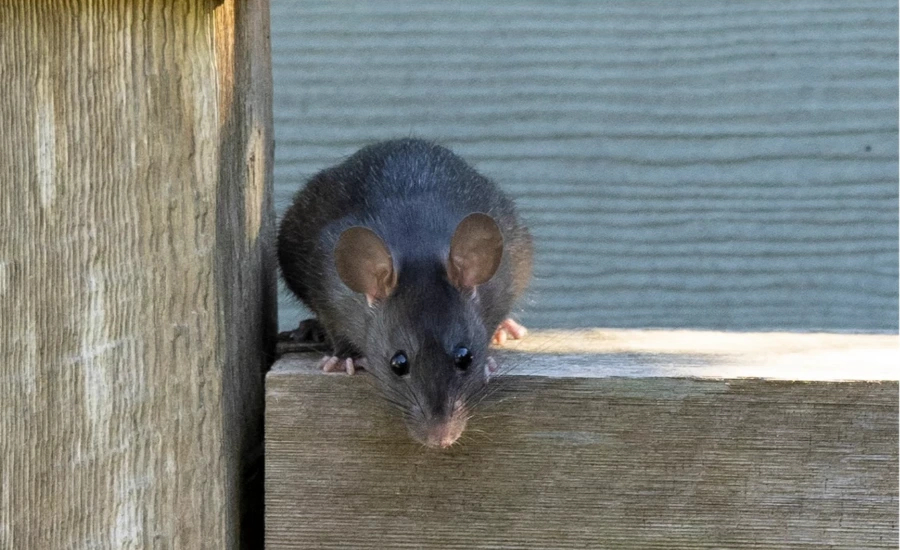
Fall is a useful time to inspect exterior access before cooler temperatures increase the pressure for rodents to use protected spaces.
Texas A&M AgriLife reports that roof rats have their heaviest production in winter and spring, while Norway rats have their heaviest production in spring and fall. The same material identifies roof rats as attic users and Norway rats as rodents commonly associated with burrows and resources near buildings. (Texas A&M rodent biology guidance)
For a Houston property, a fall check can include the roofline, attic vents, soffits, garage doors, utility penetrations, and other openings.
Learn about roof rats, Norway rats, and house mice
Commercial Rodent Control
Commercial properties can have food storage, waste areas, loading doors, storage rooms, ceiling spaces, utility penetrations, employee areas, and customer areas that need to be considered during service.
We provide commercial service for restaurants, retail storefronts, food processing facilities, warehouses, corporate offices, and multi-family residential complexes.
For a restaurant, the inspection may focus on food storage, waste handling, service entrances, utility openings, and areas where rodents can move between interior and exterior spaces.
For a warehouse, loading doors, stored materials, utility openings, and perimeter conditions may matter.
For a rental or multifamily property, access coordination and documentation can be part of the service.
Texas requires structural pest control businesses operating for hire to hold the appropriate business license. Texas also requires applicable licensing for individuals performing regulated structural pest control work. (Texas Department of Agriculture Structural Pest Control Business)
Licensing disclosure: Verified Texas certified applicators and licensed operators. Chemical applications are handled by independent certified applicators, while physical exclusion is performed by specialized technicians.

Rodent Service for Houston Property Managers
Property managers may need a consistent process for tenant complaints, vacant units, recurring inspections, access coordination, exclusion work, service documentation, and follow up.
Our property manager service can include 4-hour emergency response, multi-unit batch scheduling, digital photo logs, and direct tenant coordination.
For multi property clients, the useful information is simple: which property was inspected, what was found, what work was completed, what remains open, and when the next follow up is due.
Property manager service may cover:
- Tenant complaint intake
- Multi unit scheduling
- Vacant property inspections
- Entry point documentation
- Service dates
- Before and after photographs
- Follow up scheduling
- Owner reporting
Areas We Serve
Katy
Katy sits across Harris, Waller, and Fort Bend counties, and the city limits extend on both sides of Interstate 10. That mix of county jurisdictions makes the service address important when confirming coverage. (City of Katy)
Humble
Looking for information about rodent-related services in Humble? Explore our dedicated location page to learn about possible rat and mouse activity, attic and crawl-space concerns, rodent exclusion and prevention options for residential and commercial properties.
Spring
Looking for information about rodent-related services in Spring? Explore our dedicated location page to learn about possible rat and mouse activity, attic and garage concerns, rodent inspections, exclusion and prevention options.
Pearland
Pearland is south of Houston and has State Highway 288 and Beltway 8 as major regional connections. The city is also less than 15 minutes from the Texas Medical Center according to its official location information. (City of Pearland)
The Woodlands
The Woodlands is primarily in Montgomery County and is a master planned community north of Houston. The Township’s current community facts include extensive forest preserve and open space, which makes the relationship between buildings and surrounding vegetation relevant when inspecting a property. (The Woodlands Township)
Cypress
Explore information about rat and mouse concerns, rodent inspections, entry-point sealing and prevention options for Cypress properties.
League City
Explore information about rodent concerns, rat and mouse activity, inspection enquiries, treatment questions and exclusion options for League City properties.
Richmond
Explore information about rodent concerns, rat and mouse activity, inspection enquiries, treatment questions and exclusion options for Richmond properties.
What to Ask Any Rodent Company
Before approving service, ask for clear answers about the inspection, treatment, exclusion, price, and follow up.
| Question | What a Clear Answer Should Cover |
|---|---|
| Are you licensed in Texas? | Business license and applicable individual credentials |
| What did you find? | Evidence, affected areas, and observed conditions |
| Where are rodents getting in? | Entry points found or areas that still need investigation |
| What control method will you use? | Traps, bait stations, exclusion, monitoring, or another stated method |
| What does exclusion include? | Openings, materials, repairs, and limits of the approved scope |
| What happens to droppings and nesting material? | Cleanup process and who performs it |
| How many visits are expected? | Expected treatment and follow up schedule |
| What happens if signs continue? | Reinspection and guarantee terms |
| What does the estimate include? | Labor, materials, exclusion, cleanup, and follow up where applicable |
| Can I review the service terms? | Written scope, warranty, or guarantee |
A clear written scope gives the property owner a better understanding of the work before service begins.
About the Service
We connect property owners with licensed professionals who perform the structural pest control work through verified Texas certified applicators and licensed operators.
When you contact us, our team gathers the property location, symptoms, previous treatment history, and any access or scheduling information needed to route the request correctly.
Before service, the operating professional and applicable license information can be confirmed with the customer.
Our purpose is straightforward: help property owners understand what they are dealing with, connect them with the appropriately licensed professional, and make the service process easier to understand.
There is no need to diagnose the species yourself or guess which treatment to purchase first.
Start with the signs and the property location.
At a Glance
Phone: (713) 429-1842
Email: hello@rodentcontrolinhouston.com
Address: 10219 Pineland Rd, Houston, TX 77044
Hours: Mon–Sat: 7:00 AM–7:00 PM | Sun: 8:00 AM–4:00 PM | 24/7 Emergency Dispatch
Service area: Greater Houston, including The Heights, River Oaks, Memorial, Katy, Sugar Land, Pearland, The Woodlands, and surrounding communities
Inspection fee: Credited toward approved work
Service terms: 90-Day Rodent-Free Return Protection Guarantee, with zero mandatory recurring monthly contracts.
Rodent Control Services in Houston, TX
Rodent problems can look different from one property to another. From rats in garages and mice inside kitchens to attic activity and potential entry points, the right next step depends on the evidence found and the condition of the property. Explore the services below to understand the areas that may need attention.
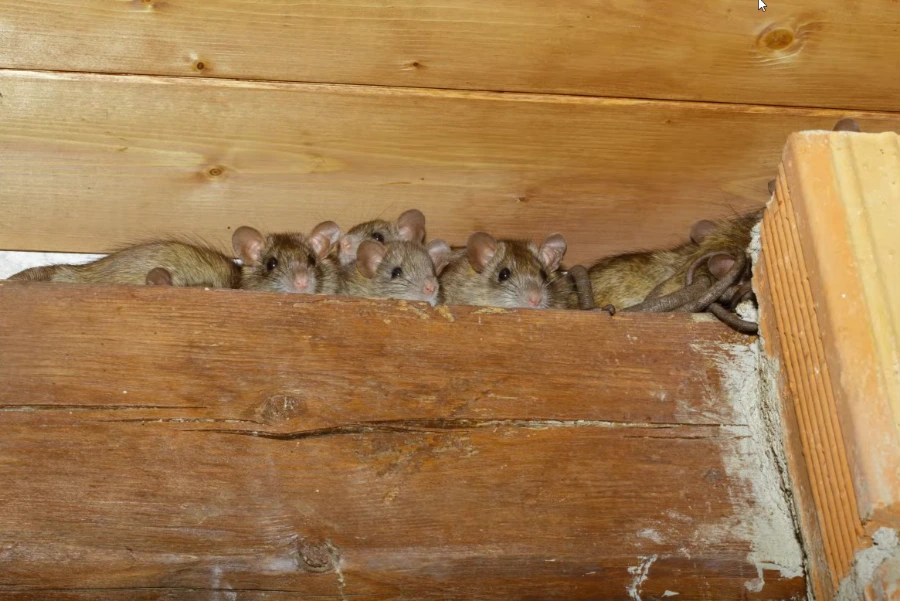
Rat Removal Houston
Rat activity may leave signs in garages, attics, wall spaces, kitchens, and other areas of a property. An inspection helps connect the location of the evidence with possible nesting areas and access routes so the appropriate next steps can be identified.
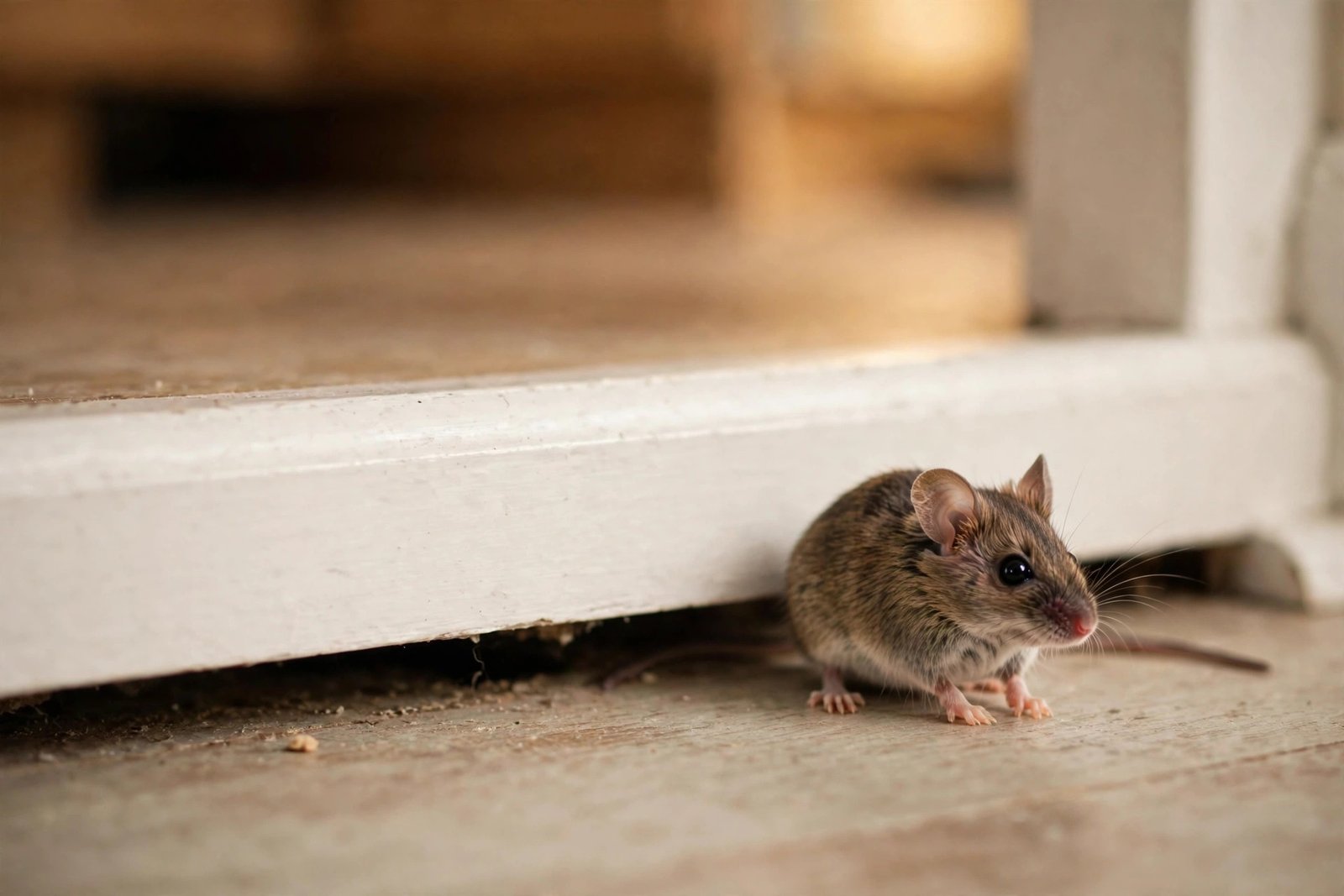
Mice Removal Houston
Mice activity may leave signs in kitchens, cupboards, garages, wall spaces, ceilings, and attics. An inspection helps connect the location of the evidence with possible nesting areas and access routes so the appropriate next steps can be identified.
Rodent Exclusion & Proofing
Identify potential rodent entry points around doors, rooflines, vents, garages, foundations, and utility openings. Learn how suitable sealing and proofing can help reduce rodent access.
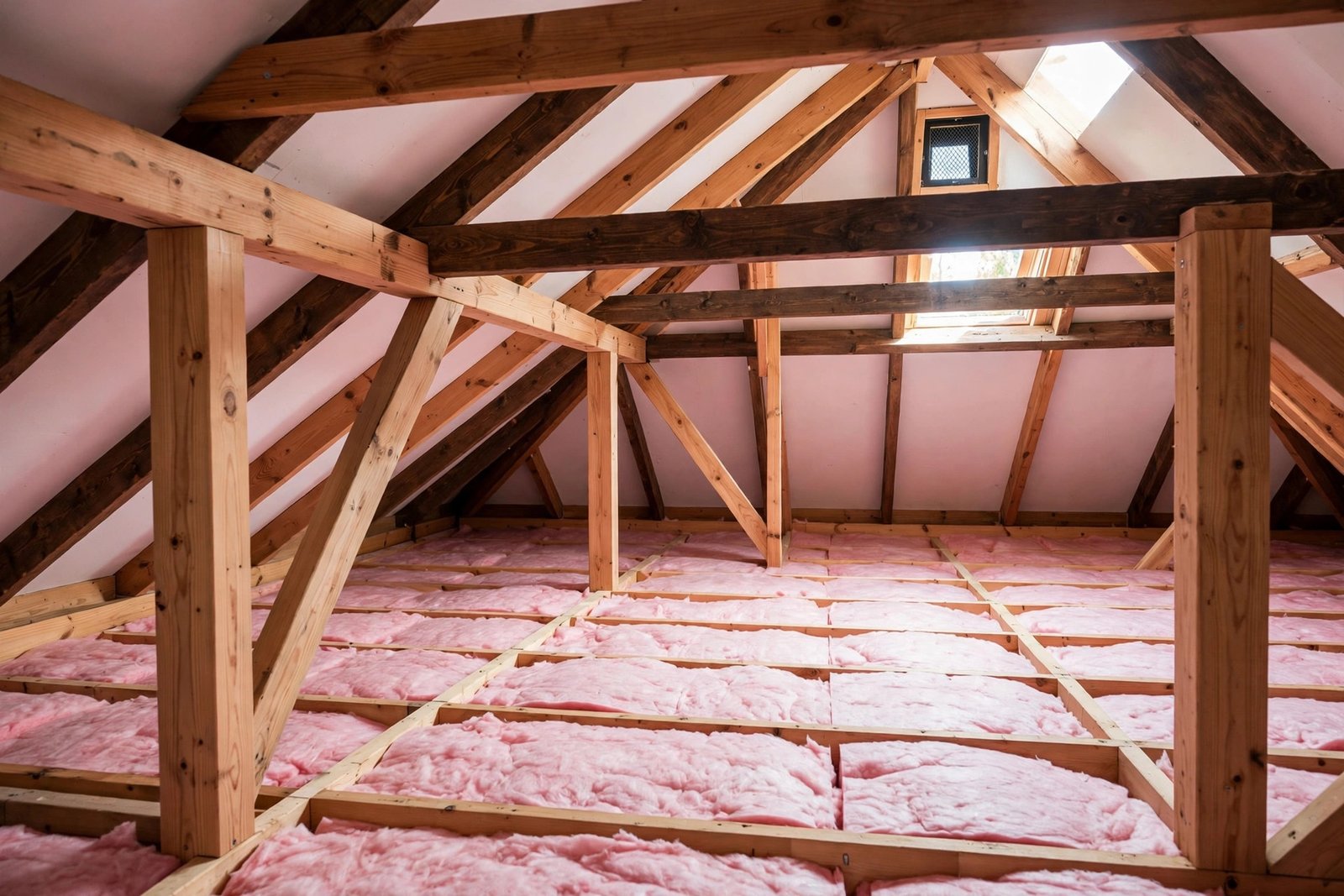
Attic Rodent Removal Houston
Scratching above the ceiling, droppings, or damaged insulation can mean rats or mice are nesting in your attic. An attic inspection identifies the activity and the removal, cleanup, or proofing work that may be needed.
Rat Droppings Cleanup & Attic Sanitation
Learn about rodent droppings removal, attic sanitation, affected insulation, and cleanup considerations for Houston properties.
Commercial Rodent Control
Rodent-control information for Houston warehouses, restaurants, offices, retail properties, and commercial buildings. Explore inspection, removal, monitoring, and prevention considerations.
Rodent Control for Property Managers
Organised rodent-control assistance for rental homes, apartment buildings, and multifamily properties. Discuss inspections, tenant access, shared areas, and service coordination.
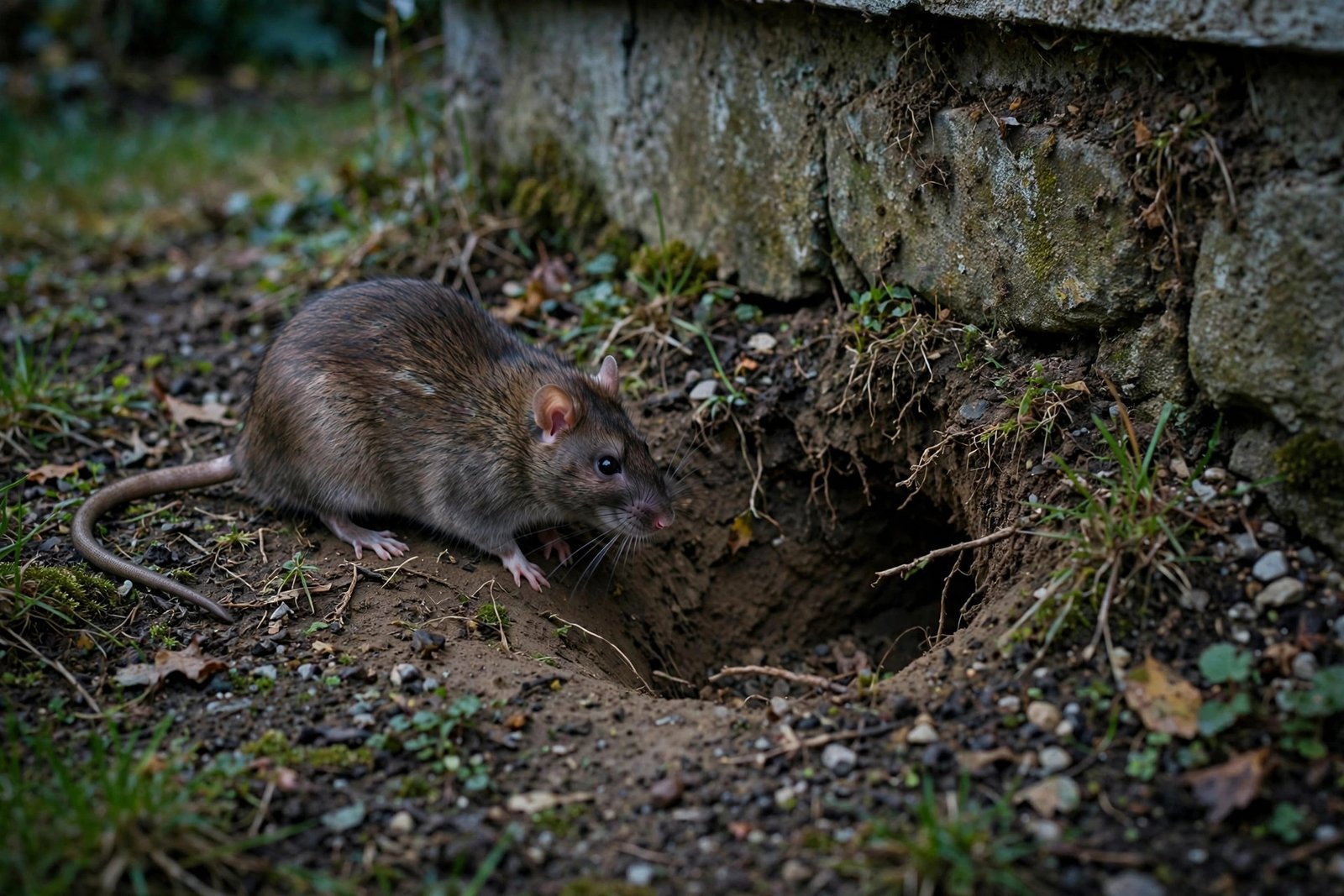
Emergency Rodent Control Houston
Need help with urgent rat or mouse activity? Discuss emergency rodent removal, inspections, and available appointment options with independent service providers in Houston.
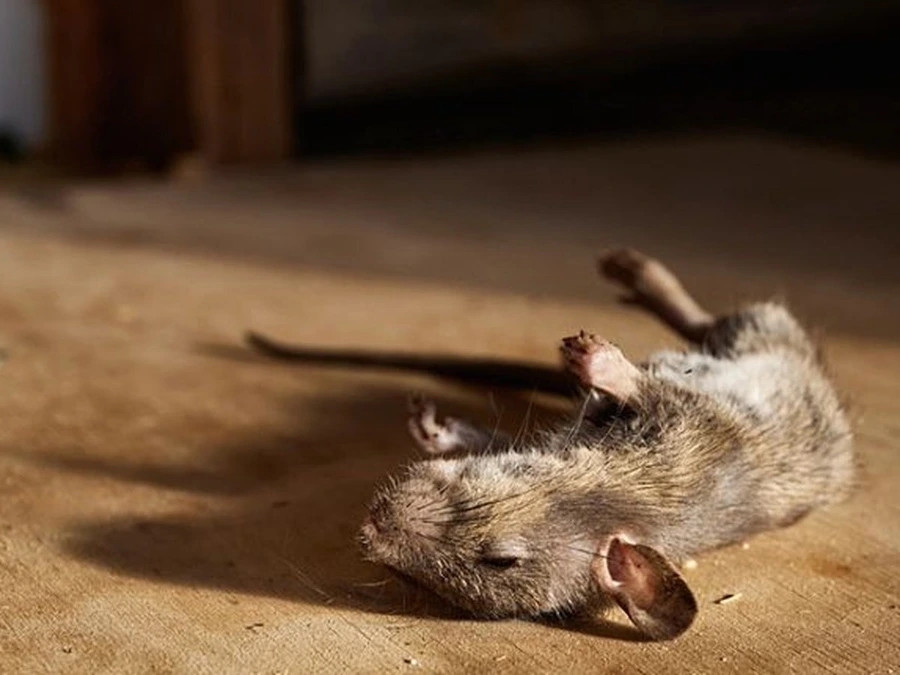
Dead Rodent Removal & Odor Control
Suspect a dead rat or mouse inside a wall, ceiling, attic, or crawl space? Discuss carcass location, removal, cleanup, and odor-control options with independent service providers in Houston.
Choosing the Right Rodent Service
The location of the signs can help guide the inspection, but it does not always identify the full extent of rodent activity. Rats, mice, possible entry points, and contaminated attic materials may require different steps. Share what you have noticed, where it occurred, and whether any previous treatment was performed so the property can be assessed appropriately.
How Our Process Works
Understanding what happens after you submit an enquiry can make the next step easier. Explore how visitors share property details, consider a potential connection with an independent service provider, and discuss service arrangements directly with that provider.
Submit an Enquiry
Tell us about your rodent-related concern.
Explore a Potential Connection
An independent provider connection may be possible depending on the actual arrangements and availability.
Discuss the Service
Confirm the scope, pricing, scheduling, and terms directly with the provider.
Customer Reviews
Customer feedback can help property owners understand what others experienced during an inspection, rodent-control service, exclusion project, or follow-up visit.
We live in a 1930s pier-and-beam house in The Heights, which means we’ve been battling roof rats jumping from our oak trees for years. These guys mapped out exactly how the rats were getting in, sealed our crawlspace and roofline with heavy steel mesh, and actually fixed the structure. It’s been completely quiet up there for three months. No monthly contract, just a real solution.
— Mark D., The Heights
The photo report sold me. David found our brick weep holes and AC chase were wide open. They sealed every gap, set one-way doors, and sanitized the attic. The 20-page photo report showed everything clearly. Worth every penny.
— Sarah T., Katy
Woke up to scratching and a horrible smell near our AC vents in Sugar Land. Michael arrived within hours, removed the rodents, sanitized the insulation, and installed galvanized vent guards that could survive a hurricane. Smell was gone by morning.
— Emily R., Sugar Land
Houston Rodent Control FAQs
How much does rodent control cost in Houston?
The current planning ranges are $99 to $199 for inspection, $250 to $450 for mouse service, $350 to $700 for rat service, $300 to $2,000 for exclusion, and $400 to $1,800 for attic cleanup. Insulation is priced per square foot after inspection. The inspection fee is credited toward approved work. Actual scope depends on the property and the work required.
How long does rodent control take?
Operator confirmable default: Most straightforward jobs require an initial inspection followed by one to three control or follow up visits over about 7 to 14 days. Larger, hidden, or multi area problems can take longer. Full eradication, exclusion sealing, and final monitoring verification are targeted for completion within 7 to 10 days. can replace this default when the operator confirms a more specific schedule.
Do you offer same day service?
Operator confirmable default: Same day appointments may be available when scheduling permits. Priority same-day or next-day emergency dispatch is available for active interior sightings and sudden attic noises. can replace this default when the operator confirms the actual availability policy.
What does a rodent inspection include?
Operator confirmable default: We inspect accessible interior and exterior areas for rodent evidence, likely entry points, nesting areas, and conditions that may support activity. 45-point comprehensive checks, including full attic and pier-and-beam crawlspace audits, thermal scans, rooflines, and weep holes. can replace this default when the operator confirms the exact inspection scope.
Can mice get through a quarter inch hole?
Yes. CDC states that mice can fit through an opening about one quarter inch wide. It recommends checking openings around cabinets, appliances, pipes, vents, doors, windows, utility lines, attics, and crawl spaces. (CDC entry point guidance)
Can rats get into an attic?
Yes. Texas A&M AgriLife identifies roof rats as rodents that often nest in attics and forage outside. (Texas A&M rat guidance)
Does seeing one rat mean there is an infestation?
Not necessarily. One sighting does not establish the number of rodents present. Fresh droppings, gnaw marks, nesting material, odors, repeated sightings, and other evidence provide more information about whether an inspection is needed.
Will traps solve the entire problem?
Traps can control active rodents, but a trap does not seal an opening in the structure. Exclusion, sanitation, monitoring, and other control methods may also be needed depending on the property.
Why do rats and mice come back after treatment?
A recurring problem can involve an unaddressed access point, food or shelter around the building, continued activity elsewhere in the structure, or a treatment scope that did not cover every affected area. A follow up inspection can help identify what remains.
Should I vacuum rodent droppings?
No. CDC specifically says not to sweep or vacuum dry rodent urine, droppings, or nesting material. Wet the material with disinfectant and follow the current CDC cleanup procedure. (CDC cleanup guidance)
Is rodent poison safe around pets?
Rodenticide products can harm people and animals when misused. EPA advises keeping products away from children and pets and following the product label. (EPA rodenticide safety)
Do you provide rodent proofing?
Operator confirmable default: Exclusion and rodent proofing are available when they are needed and included in the approved service scope. Exclusion work may use chew-proof galvanized steel hardware cloth, metal flashing, and weather-resistant sealants designed for Texas heat, as appropriate to the opening and structure. can replace this default after operator confirmation.
Do you inspect attics and crawl spaces?
Operator confirmable default: Attic and crawl space inspection is available when those areas are safe and accessible. The 45-point inspection includes full attic and pier-and-beam crawlspace audits, thermal scans, rooflines, and weep holes. can replace this default after operator confirmation.
Do you work with property managers?
Operator confirmable default: Property manager service is available for single property, multi property, recurring, or documented service when scheduling and coverage allow. Property manager service includes 4-hour emergency response, multi-unit batch scheduling, digital photo logs, and direct tenant coordination. can replace this default after operator confirmation.
What should I do after storm damage?
Check for new exterior openings, damaged vents, displaced materials, debris, food, and water. CDC says surviving rodents can move into new areas after natural disasters in search of food, water, and shelter. (CDC disaster rodent guidance)
Not Sure If You Have a Rodent Problem?
Unusual sounds, damaged packaging, droppings or recurring signs can leave you unsure about what is happening around your property. Use our interactive Problem Checker to organize your observations and understand possible next steps.
Answer six short questions about the signs, locations, timing and frequency of possible activity.
Explore Our Rodent Control Resources
Not sure where to start? Our interactive tools can help you review possible rodent activity, check common entry points and organize information about factors that may affect service costs.
Rodent Problem Checker
Review possible signs of rodent activity and organize your observations.
Check Possible ActivityEntry Point Checker
Review common areas where gaps or possible rodent access points may exist.
Check Entry PointsRodent Control Cost Estimator
Organize property details and explore factors that may influence service costs.
Explore Cost FactorsGuides From the Rodent Control Blog
Practical reading for Houston homeowners: how to read the signs of rodent activity, work out what a noise in the attic is likely to be, and clean up droppings safely.
Signs of a Rat Infestation
Droppings, gnaw marks, rub marks, sounds and tracks — what each sign looks like and what it can tell you about the activity.
Read the Signs GuideScratching Noises in the Attic
Hearing scratching or scurrying at night? How the sound, timing and location help you tell whether it is more likely rats or mice.
Identify Attic NoisesHow to Clean Rat Droppings Safely
A step-by-step guide to cleaning rat droppings in an attic, following CDC-style precautions for ventilation, disinfection and disposal.
Read the Cleanup GuideLOCATION INFORMATION
Rodent Control Service Areas
Explore our Houston service area and surrounding location pages to find information relevant to your city and learn how to make an enquiry about possible rodent-control services.
Houston, TX · Katy, TX · Humble, TX · Spring, TX · Pearland, TX · The Woodlands, TX · Cypress, TX · League City, TX · Richmond, TX
Explore All Service AreasUnderstand the Health Risks of Rodent Exposure
Rodent activity can raise questions about germs, contaminated materials and safe cleanup. Learn what hantavirus is, how exposure may occur, which symptoms require medical attention, and how public-health guidance recommends reducing contact with rodent waste. Hantavirus is one of several illnesses covered in our rodent diseases hub.
About Rodent Control Houston
Rodent Control Houston is an online information and connection platform helping Houston-area homeowners, landlords, property managers, and businesses explore rodent-related service options. We aim to make useful information easier to understand and help visitors take an informed next step toward connecting with independent service providers.
Learn More About UsHave a Rodent-Related Concern?
Tell us what you have noticed in your home, rental property, or business. Share a few details through our contact page so we can understand your enquiry and consider whether an appropriate independent service connection may be available.
Contact UsNeed a Rodent Exterminator in Houston?
Start with the signs.
Call (713) 429-1842 and tell us your ZIP code, where you found the signs, what you saw, when you first noticed them, and whether another company has already treated the property.
You do not need to identify the species before calling.
You do not need to find the nest yourself.
Rodent Control Houston
Rodent Control Houston connects property owners with verified Texas certified applicators and licensed operators.
Chemical applications are handled by independent certified applicators, while physical exclusion is performed by specialized technicians.
Contact
Address
10219 Pineland Rd, Houston, TX 77044
Phone
Hours
Mon–Sat: 7:00 AM–7:00 PM | Sun: 8:00 AM–4:00 PM | 24/7 Emergency Dispatch
Licensing disclosure: Verified Texas certified applicators and licensed operators. Chemical applications are handled by independent certified applicators, while physical exclusion is performed by specialized technicians.
HOUSTON RODENT CONTROL
Rodent Activity? Don’t Ignore the Signs.
Rodents inside a property can contaminate surfaces, damage insulation and chew electrical wiring. Identifying entry points early can help you understand what needs attention.
Look for signs of activity:
Droppings, scratching sounds, gnaw marks and damaged food packaging can indicate rodent activity.
Check possible entry points:
Rooflines, vents, utility openings, garages and gaps around pipes may need inspection.
Understand your next steps:
An assessment can help determine whether trapping, exclusion, cleanup or monitoring may be appropriate.
Talk to Our Team
Call to discuss the signs you’ve noticed and your property’s location.
Call (713) 429-1842No pressure. Explain the issue and ask about the available service options.