How to Clean Rat Droppings in an Attic: Safety Precautions Before Cleanup
Finding rat droppings in an attic is a reason to pause before cleaning. Attics can be poorly ventilated, difficult to access, and filled with insulation or concealed surfaces that are easy to disturb. Rodent urine, droppings, and nesting material should not be dry-swept or vacuumed. The safest approach depends on the amount of contamination, the space, and whether materials such as insulation or HVAC components are affected. Safe rat droppings cleanup starts with avoiding dry sweeping and vacuuming and following current public-health instructions.
Why attic rodent waste requires careful handling
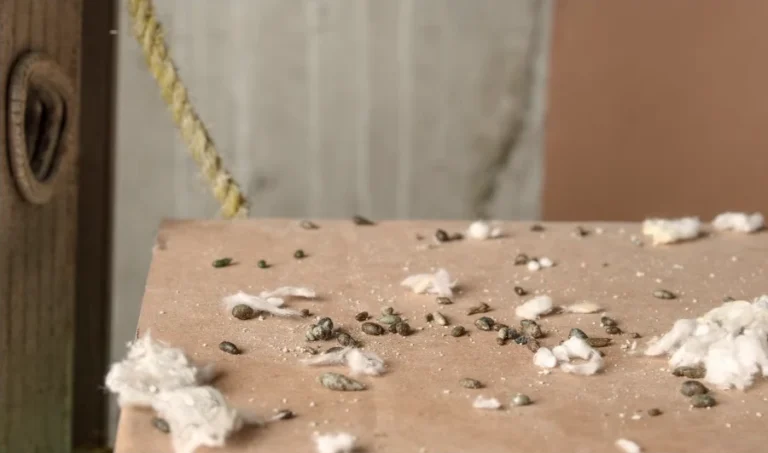
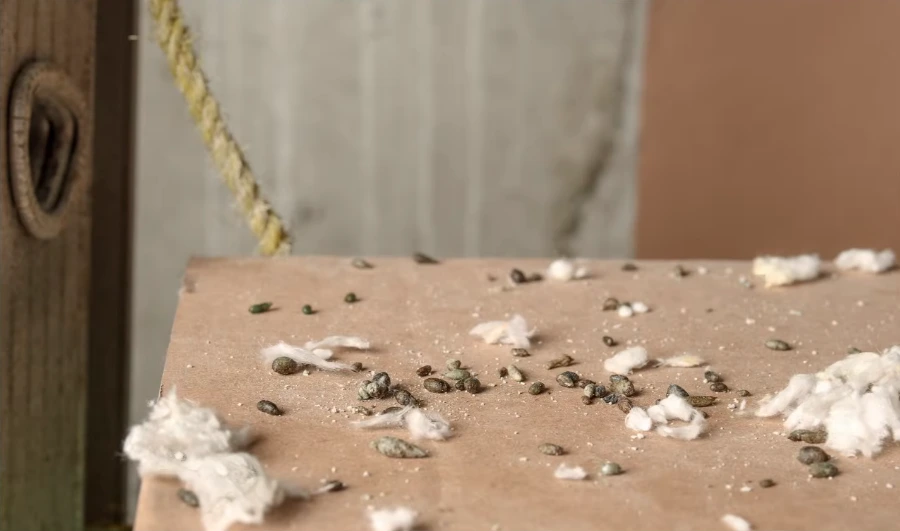
Droppings are not the only concern. Urine, nesting material, carcasses, and contaminated insulation may also be present. Disturbing dry waste can release particles into the air. Attics add hazards such as heat, exposed nails, wiring, unstable ceiling surfaces, and limited movement.
What to do before entering a contaminated attic
Do not enter simply to investigate if access is unsafe or the contamination appears extensive. Keep children and pets away. CDC guidance for ordinary cleanup includes ventilating enclosed spaces before cleaning and using protective gloves. Heavy infestations require additional precautions; the CDC recommends special care for heavily infested buildings.
Why dry sweeping and vacuuming should be avoided
Sweeping and vacuuming can aerosolize particles from rodent urine, droppings, and nesting material. CDC advises against both. Do not use a household vacuum, shop vacuum, leaf blower, or compressed air on untreated rodent waste.
General precautions in CDC guidance
For suitable small-scale cleanup, CDC guidance calls for ventilating the space, wearing rubber or plastic gloves, thoroughly wetting waste with an appropriate disinfectant, allowing the product to remain for the label-specified contact time, and wiping up material with paper towels. Follow the current CDC instructions and disinfectant label exactly. Never mix bleach with ammonia or other cleaners.
What about contaminated insulation and nesting material?
Porous insulation cannot be treated like a hard countertop. CDC guidance states that exposed insulation contaminated with urine and droppings should be placed into plastic bags for removal. The extent of contamination and safe access matter; extensive attic work may require trained personnel and appropriate protective equipment.
Why widespread contamination needs assessment
A few droppings in an accessible area are different from extensive waste across an attic, crawl space, or ventilation system. The latter may involve more material, greater disturbance, and additional respiratory precautions. Do not assume a simple surface wipe is sufficient.
When to consider professional rodent cleanup
Seek qualified assistance when contamination is widespread, insulation is affected, a carcass or nest is concealed, or rodents accessed HVAC components. Ask the provider to specify whether the service includes waste removal, insulation assessment, disinfection, disposal, and exclusion recommendations. These tasks may be offered by different providers.
Preventing future contamination
After the affected area is addressed, identify and close entry points, manage food and trash, and inspect the building for recurring activity. Cleanup without access control can leave the same space vulnerable to another rodent.
Need help assessing rodent activity?
If you have recurring signs, activity in an attic or wall void, or contamination that you cannot safely assess, you can review the relevant Houston rodent-control service information and request details from an independent provider. The provider must confirm whether the requested inspection, removal, cleanup, exclusion, or repair is within its scope, along with current availability and pricing.
Frequently asked questions
How do you clean rat droppings safely?
Follow the current CDC cleanup procedure for the specific setting and amount of waste. Do not dry-sweep or vacuum; wet-disinfect before wiping up suitable small-scale contamination.
Can you vacuum rat droppings?
No. CDC advises against vacuuming or sweeping rodent droppings, urine, or nesting materials.
Should rat droppings be sprayed before cleanup?
CDC recommends thoroughly wetting droppings with an appropriate disinfectant and following the required contact time before wiping them up.
Can contaminated attic insulation be cleaned?
The appropriate response depends on the material and extent. CDC guidance says exposed insulation contaminated with urine and droppings should be bagged for removal.
When should I seek professional rodent cleanup?
When waste is widespread, the attic is unsafe to access, insulation or HVAC components are affected, or you are unsure how to manage the contamination.
Related resources
Authoritative source note: CDC, How to Clean Up After Rodents.