
Home›Hantavirus
RODENT EXPOSURE • HEALTH & SAFETY
Hantavirus and Rodent Exposure: Risks, Symptoms and Prevention
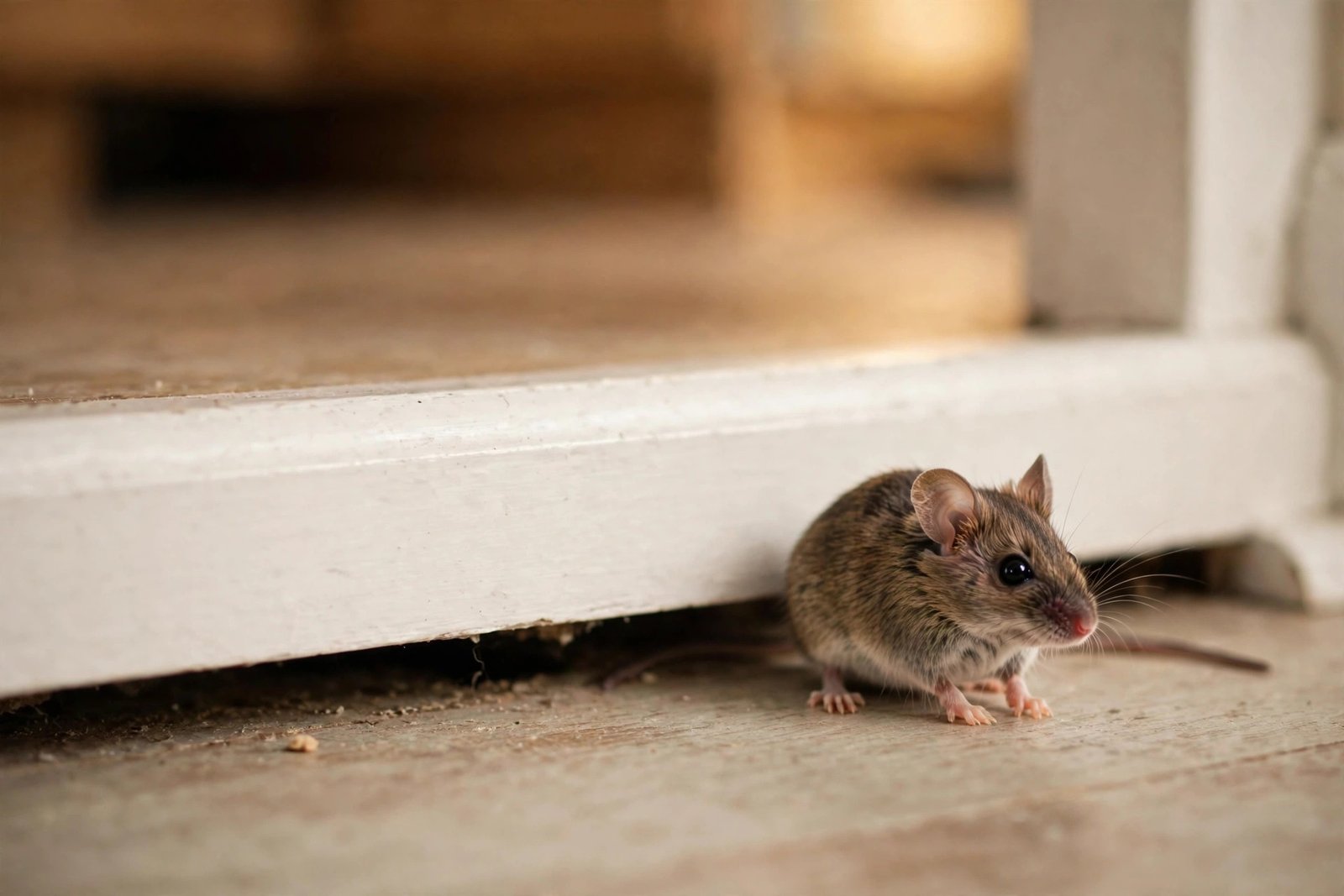
Rodents can carry germs that may spread to people through contact with their urine, droppings, saliva, or nesting materials. Some of these infections can cause serious illness, but not every rat or mouse carries a hantavirus, and seeing a rodent does not mean that someone has been exposed.
This guide explains how rodent-associated hantaviruses can spread, what symptoms may occur, how to reduce exposure, and how to follow public-health guidance when cleaning areas affected by rodents.
Educational information based on CDC and Texas DSHS public-health guidance.
Medical disclaimer: This page provides general educational information, not medical advice, diagnosis, or treatment. If you develop a fever or feel unwell after possible rodent exposure, contact a healthcare professional and explain the exposure. Sudden or severe difficulty breathing requires emergency medical attention. Do not use this page to diagnose yourself.
What Is Hantavirus?
Hantaviruses are a group of viruses associated primarily with certain rodents. Infected rodents may carry and shed a virus without appearing sick. People can become infected after exposure to contaminated rodent urine, droppings, saliva, or nesting material.
Different viruses in this group are associated with different rodent hosts and geographical regions. They can cause more than one type of illness, and the symptoms and severity depend partly on the specific virus involved.
Two important disease syndromes are hantavirus pulmonary syndrome (HPS) and hemorrhagic fever with renal syndrome (HFRS). The U.S. public-health focus is mainly on HPS, although Seoul virus, which can cause HFRS, is also found in the United States.
The presence of rodent activity is not proof of infection. A rodent’s appearance cannot establish whether it carries a disease. Avoiding contact with rodent waste and preventing infestations are practical ways to reduce exposure.
HPS and HFRS: Two Different Disease Syndromes
| Feature | Hantavirus pulmonary syndrome (HPS) | Hemorrhagic fever with renal syndrome (HFRS) |
|---|---|---|
| Main organs affected | Primarily the lungs and respiratory system | Primarily the kidneys and blood vessels |
| Geographic pattern | Associated with hantaviruses found in the Americas, including the United States | Mainly associated with viruses found in Europe and Asia |
| Important U.S. context | The most common U.S. virus causing HPS is associated with the deer mouse | Seoul virus occurs worldwide, including in the United States |
| Possible serious complications | Fluid in the lungs and severe breathing difficulty | Low blood pressure, bleeding complications and acute kidney injury |
These are broad patterns, not a way to identify an infection from symptoms alone. Medical assessment and appropriate laboratory testing are needed.
Which Rodents Are Associated With Particular Viruses?
Each hantavirus is associated with particular rodent hosts. Examples help explain why geographical context matters:
- Deer mice: The deer mouse is the principal host associated with the most common virus causing HPS in the United States.
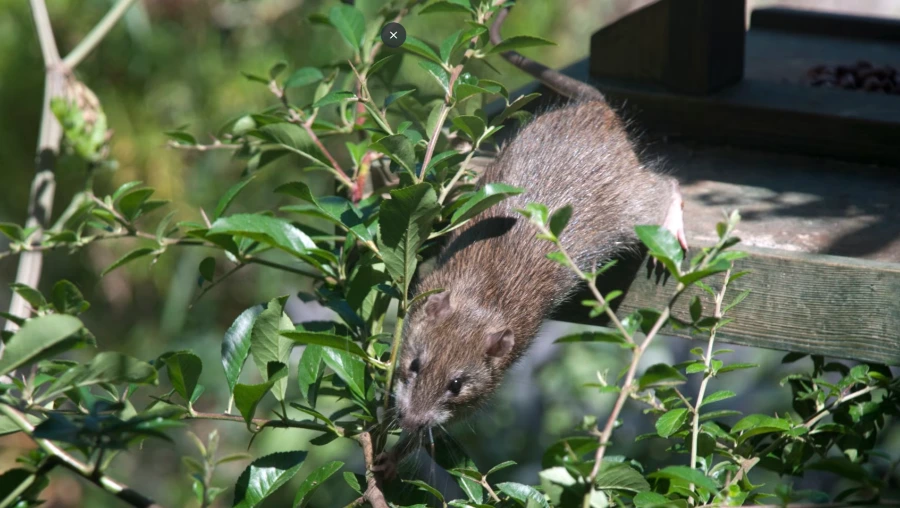
- Norway rats: These rats are the primary host of Seoul virus, which occurs worldwide, including in the United States. Infection in rats may not make them visibly ill.
- Andes virus: This virus is associated with South America and is not the typical rodent-associated risk to assume for a Houston property.
These examples do not mean that every animal in one of these groups is infected. Nor can a person reliably identify a rodent’s infection status by looking at it.
Hantavirus is one of several rodent-associated infections. You can also read about other diseases rodents can carry.
How Can People Be Exposed?
People are most often exposed through contact with an infected rodent or material contaminated by that rodent. Recognised exposure routes include:
- Breathing contaminated particles: Disturbing dried or fresh rodent urine, droppings, or nesting materials can put contaminated particles into the air.
- Touching contaminated objects: Handling contaminated tools, clothing, bedding, surfaces, or other objects and then touching the eyes, nose, or mouth can present a risk.
- Contact with broken skin: Contaminated rodent material may enter through cuts or other breaks in the skin.
- Bites or scratches: These are recognised but less common routes.
- Contaminated food: Food contaminated by infected rodent material can also present an exposure risk.
Cleaning enclosed or poorly ventilated areas with rodent activity can increase the chance of disturbing contaminated material, so extra care is needed in attics, sheds, cabins, and storage rooms.
Does It Spread Between People?
Most hantaviruses are not known to spread from person to person. The Andes virus is the recognised exception, and it is associated with South America. Do not assume that all hantavirus infections are contagious between people. For U.S. rodent-associated infections, the main prevention focus is avoiding infected rodents and contaminated materials.
Hantavirus Symptoms in Humans
Symptoms vary according to the virus involved. Early illness can resemble common infections, so symptoms alone cannot confirm a diagnosis. For HPS, symptoms usually begin about one to eight weeks after contact with an infected rodent.
Early Symptoms
Early symptoms may include:
- Fever.
- Fatigue or unusual tiredness.
- Muscle aches, particularly in the thighs, hips, back, and sometimes shoulders.
- Headache.
- Dizziness or chills.
- Nausea, vomiting, diarrhoea, or abdominal pain.
These symptoms are not specific to this infection. Many other illnesses can cause similar problems.
More Serious Respiratory Symptoms
In HPS, a later phase can involve coughing, shortness of breath, chest tightness, and rapid or difficult breathing. These symptoms can progress quickly and require urgent medical attention. Do not wait for every symptom to appear before seeking care.
How HFRS Differs
HFRS primarily affects the kidneys and blood vessels. Depending on the virus, symptoms may include fever, headache, back and abdominal pain, and reduced urine output. Symptoms commonly begin within one to two weeks after exposure, although the timing can vary. HFRS is included here to explain the wider disease group. It should not be assumed to be the likely illness in a Houston exposure.
When Should You Seek Medical Attention?
Contact a healthcare professional if you develop a fever or a compatible illness after possible contact with rodents or their droppings. Tell the healthcare professional:
- When the possible exposure happened.
- Where you encountered rodent activity.
- Whether you disturbed or cleaned droppings or nesting material.
- Whether you handled a rodent or were bitten or scratched.
- When your symptoms began and how they have changed.
Seek emergency medical care immediately for sudden or severe shortness of breath or serious breathing difficulty.
Early symptoms can resemble other illnesses, and a clinician must decide whether testing is appropriate. There is no specific antiviral treatment for these infections. Medical care is supportive and depends on the illness and its severity.
How to Reduce Rodent Exposure Risks
The most practical way to reduce exposure is to limit contact between people and rodents and prevent rodents from entering and nesting in buildings.
Reduce Access to Buildings
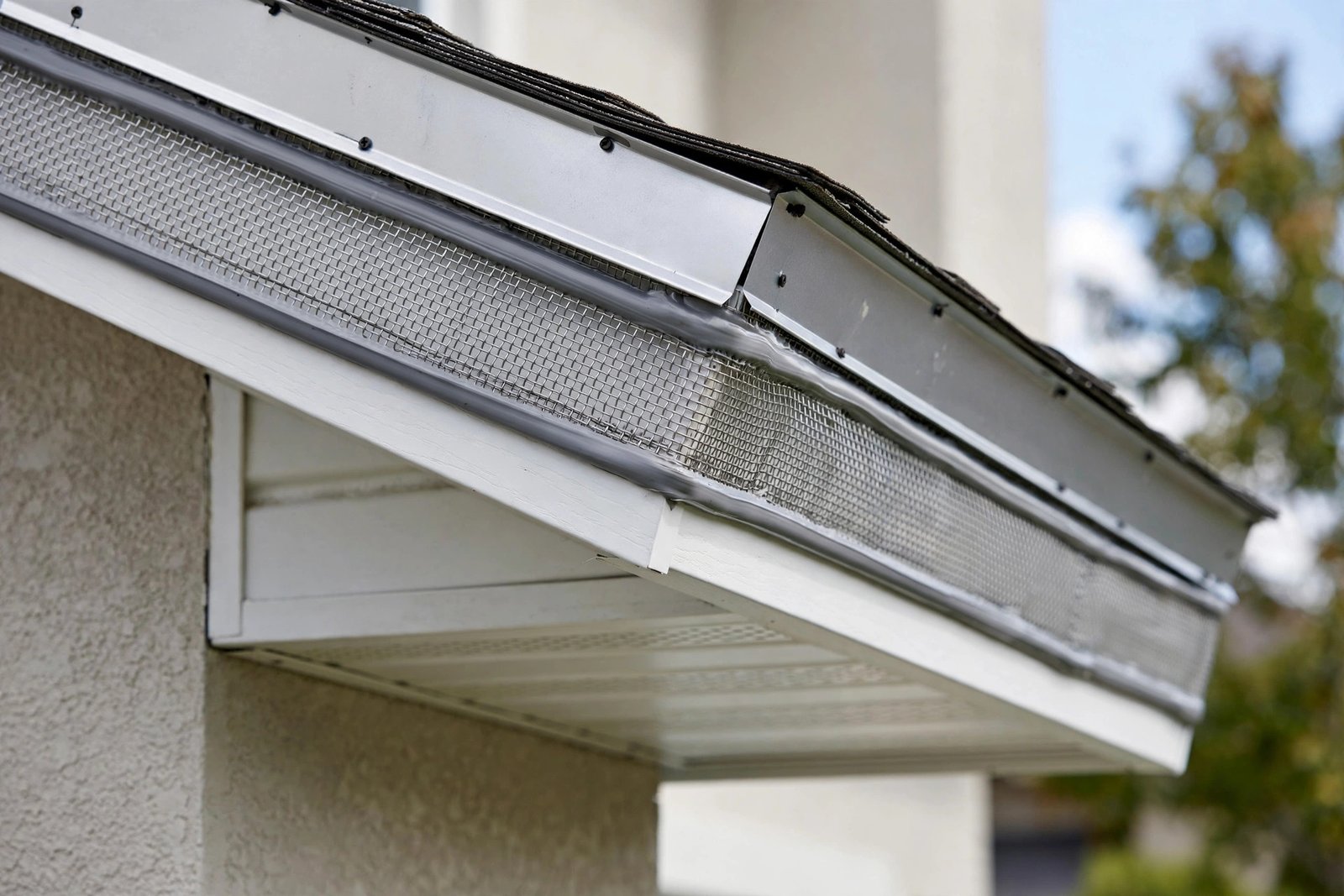
- Check for gaps around doors, windows, foundations, roof edges, vents, and utility openings.
- Seal suitable openings with materials appropriate to the location and building surface.
- Repair damaged screens, vents, door sweeps, and other barriers.
- Pay attention to garages, storage rooms, attics, and outbuildings.
Reduce Food and Water Sources
- Store food and animal feed in tightly closed containers.
- Clean up food spills and crumbs.
- Keep rubbish in containers with secure lids.
- Avoid leaving pet food out overnight.
- Repair leaks and address accessible standing water.
Reduce Shelter and Nesting Opportunities
- Reduce unnecessary clutter in storage areas.
- Keep stored materials organised and, where practical, off the floor.
- Manage rubbish and debris around buildings.
- Check areas that remain undisturbed for long periods.
Avoid Direct Contact With Rodent Waste
Do not touch droppings, urine, nests, or dead rodents with bare hands. Do not dry sweep or vacuum contaminated material before it has been disinfected. For more prevention information, consult the CDC’s hantavirus prevention guidance.
See also: Rodent exclusion and proofing
How to Clean Rodent Droppings Safely
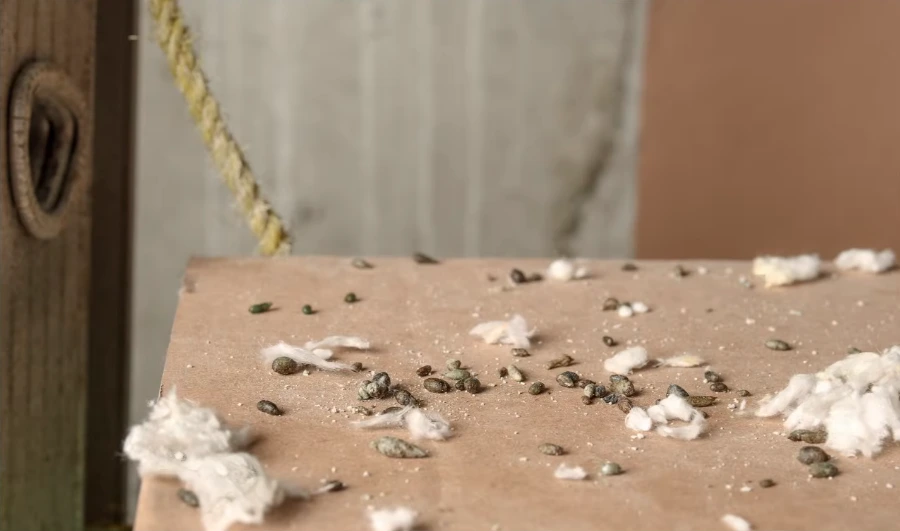
Do not sweep or vacuum rodent urine, droppings, or nesting materials before they have been appropriately disinfected. These actions can stir contaminated particles into the air. The CDC provides specific instructions for different cleanup situations. The following is a summary for ordinary small cleanup situations.
Ordinary Small Cleanup Situations
- Ventilate the space: Open doors and windows for 30 minutes before cleaning, and leave the area during that time.
- Wear gloves: Use rubber or plastic gloves.
- Wet the contaminated material: Apply an appropriate household disinfectant or the CDC-recommended bleach solution until the urine or droppings are thoroughly wet.
- Allow the required contact time: Follow the disinfectant label. The CDC’s general instructions specify five minutes for the recommended bleach solution.
- Wipe up carefully: Use paper towels to collect the wet material and dispose of it as directed by the CDC.
- Disinfect hard surfaces: Clean the affected floors, counters, cabinets, drawers, and other hard surfaces.
- Wash your hands: Clean gloved hands before removing gloves, then wash your hands thoroughly after removing them.
Important chemical safety instruction: Do not mix bleach with ammonia or other cleaning products. Always follow the product label and applicable safety guidance.
Read the full CDC instructions: How to Clean Up After Rodents
Heavy Infestations and Specialist Precautions
A heavily infested building is not the same as a small amount of droppings in a kitchen cupboard. Large amounts of contamination may require additional protective equipment and respiratory protection, as described by the CDC. If a building has extensive rodent contamination, do not treat it as a routine household cleaning job.
Areas Involving Air Ducts or Ventilation Systems
If rodents or nesting materials have entered a heating or cooling ventilation system, do not simply vacuum the area. The appropriate work depends on which components are affected and what the specialist is qualified to do. Seek professional advice for ventilation-system contamination.
Hantavirus and Houston, Texas
The geographical distribution of these viruses matters. Different rodent hosts and virus types are associated with different regions. In the United States, the best-known HPS-associated virus is linked to deer mice. Seoul virus is a separate virus associated with Norway rats and occurs worldwide, including in the United States.
Texas Department of State Health Services (DSHS) states that reported cases of this disease are rare in Texas. There is no basis here to claim that Houston has a local outbreak, that Houston’s common rats or mice are routinely infected, or that a particular property is at high risk.
The sensible approach for Houston property owners is to reduce rodent access, avoid direct contact with rodent waste, follow safe cleanup guidance, and seek medical advice promptly if illness follows a possible exposure.
Official state guidance: Texas Department of State Health Services: Hantaviruses
For a shorter homeowner-focused summary, read our overview of hantavirus exposure: a Houston homeowner overview.
How Professional Rodent Management Can Help
Professional rodent management can help reduce rodent activity and the opportunities rodents have to contaminate a property. Depending on the provider’s actual capabilities and the property’s circumstances, the work may involve:
- Assessing signs of rodent activity.
- Identifying possible access points.
- Discussing suitable rodent-control options.
- Addressing entry points through exclusion work.
- Explaining safe handling or cleanup requirements.
- Recommending practical steps to reduce food, water, and shelter sources.
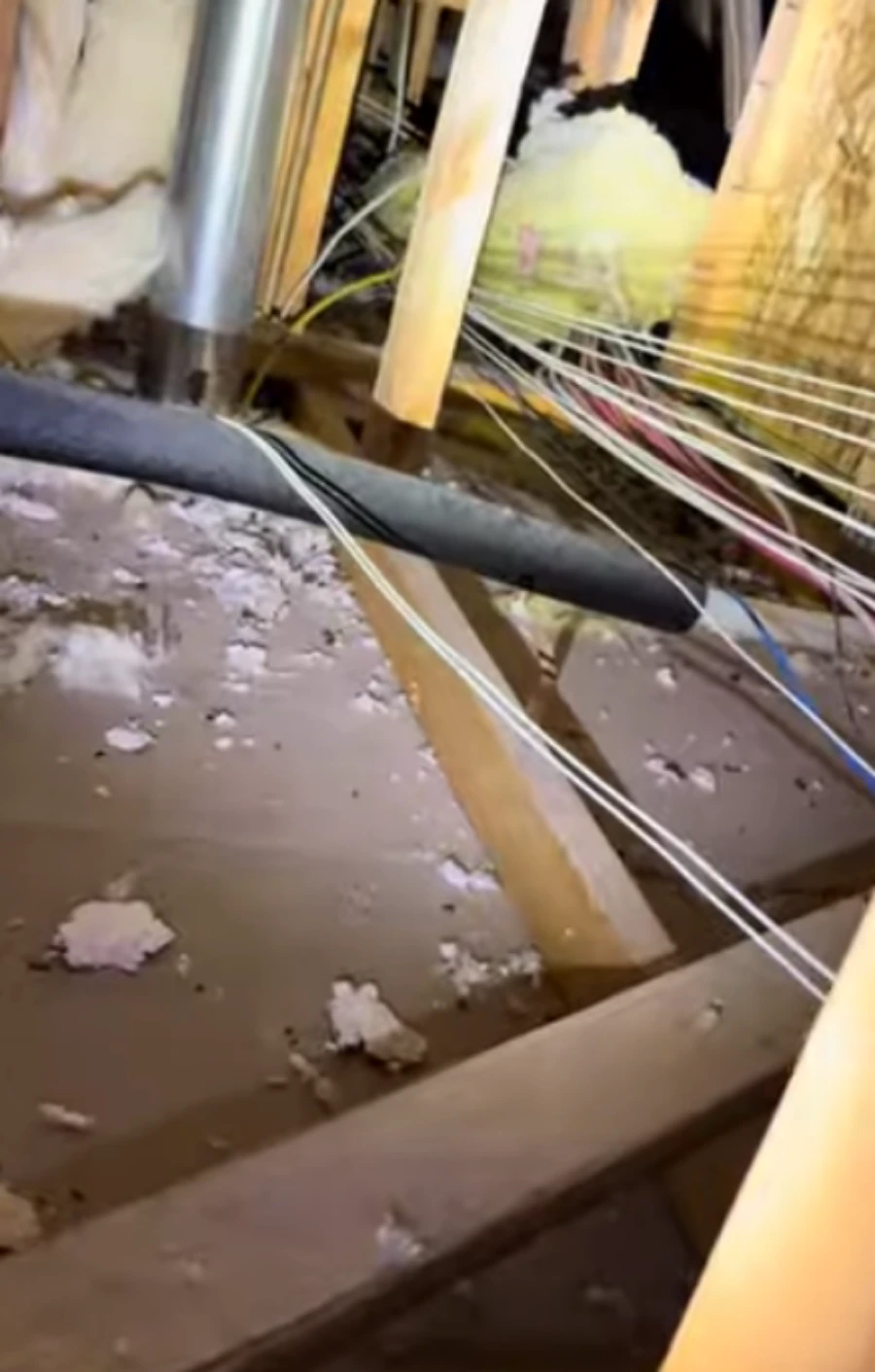
Rodent removal, exclusion, cleanup, insulation work, and ventilation-system cleaning are not automatically included in every service. Reducing rodent activity can help reduce opportunities for contact with contaminated materials. However, it does not guarantee that a property is free from risk.
Transparency statement: Rodent Control Houston is an informational and enquiry website. It does not personally inspect properties or carry out rodent-control work. Actual inspections and work are handled by independent providers.
Related information: Rodent exclusion and proofing
Frequently Asked Questions About Hantavirus
What is hantavirus?
Hantavirus is a group of viruses carried by certain rodents. People can become ill after exposure to contaminated urine, droppings, saliva, or nesting material. Not every rodent carries a hantavirus.
Can humans get hantavirus from mouse droppings?
Yes, exposure to droppings from an infected rodent is a recognised route, especially when dried material is disturbed and particles are breathed in. This is why droppings should be wetted with disinfectant before cleanup, never dry swept or vacuumed first.
Can rats carry hantavirus?
Yes. Norway rats are the primary host of Seoul virus, which occurs worldwide, including in the United States. Deer mice are the principal host associated with the most common U.S. virus causing HPS.
What are the early symptoms?
Early symptoms can include fever, fatigue, muscle aches, headache, dizziness or chills, and nausea, vomiting, diarrhoea, or abdominal pain. These symptoms are not specific to hantavirus, so medical assessment is important.
How does it spread?
It spreads mainly through contact with infected rodents or contaminated material, most often by breathing in particles from disturbed urine, droppings, or nesting material, and also through touching contaminated objects, broken skin, bites or scratches, or contaminated food.
Is it contagious between people?
Most hantaviruses are not known to spread from person to person. The Andes virus, associated with South America, is the recognised exception.
Can contaminated dust transmit infection?
Yes, dust or particles from dried rodent urine, droppings, or nesting material can be breathed in when the material is disturbed, which is why ventilation, wetting the material, and avoiding dry sweeping are important.
Is it safe to vacuum rodent droppings?
No. Do not vacuum or dry sweep rodent droppings before they have been disinfected, because that can stir contaminated particles into the air. Follow CDC cleanup guidance instead.
How should mouse droppings be cleaned?
Ventilate the area for 30 minutes, wear gloves, wet the material with disinfectant or the CDC-recommended bleach solution, allow the required contact time, wipe up with paper towels, disinfect hard surfaces, and wash your hands thoroughly. Never mix bleach with ammonia.
Does every rodent carry this virus?
No. Not every rat or mouse carries a hantavirus, and a rodent’s appearance cannot show whether it is infected. Seeing a rodent does not mean that someone has been exposed.
Is this a concern in Texas?
Texas DSHS states that reported cases are rare in Texas, and there is no basis in this guide to claim a Houston outbreak. The practical focus in Houston is reducing rodent access, avoiding contact with rodent waste, and following safe cleanup guidance.
Official Public-Health Resources
For current and detailed guidance, use these public-health sources:
- CDC: About Hantavirus
- CDC: Hantavirus Prevention
- CDC: Clinical Overview for Healthcare Providers
- CDC: Hantavirus Pulmonary Syndrome
- CDC: How to Clean Up After Rodents
- Texas DSHS: Hantaviruses
The public-health references above were checked on November 1, 2026. This page has not been represented as a substitute for official guidance.