
Home Norway Rats
Norway Rats: Identification, Characteristics, Habits and Signs
Norway rats are large, ground-dwelling rodents commonly associated with buildings, sewers, garbage areas, and other places where food, water, and shelter are available. Also known as brown rats or wharf rats, they can live close to people and may enter homes, garages, storage areas, and commercial properties when suitable access and resources are available.
Recognizing the physical characteristics and behavior of this species can help property owners understand possible rodent activity. Common clues include burrows near foundations, gnaw marks, droppings, runways, greasy rub marks, and disturbed food packaging.
This guide explains how to identify these rodents, where they live, what attracts them, how they reproduce, and what property owners can do when signs of activity appear.
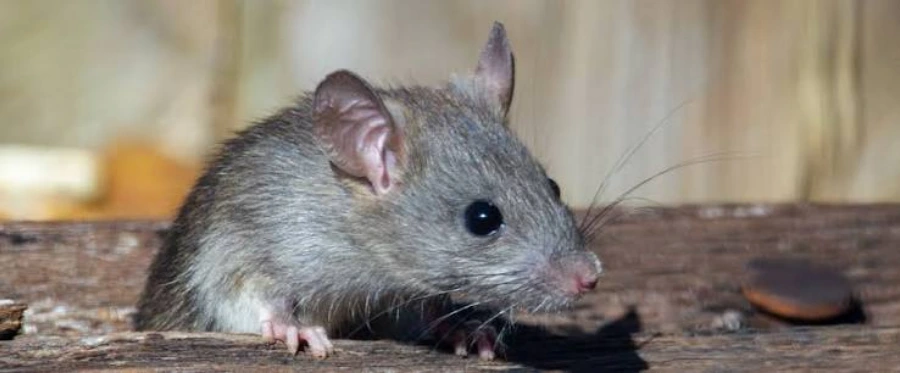
What Are Norway Rats?
The Norway rat (Rattus norvegicus) is a species of rodent in the family Muridae and order Rodentia. It is commonly called the brown rat, common rat, sewer rat, or wharf rat.
Despite its name, this species is not native to Norway. It originated in Asia and spread to many parts of the world through human movement and international trade. Today, it is established in urban, suburban, agricultural, and other environments where food and shelter are available.
It is a commensal rodent, meaning it can live in close association with people and benefit from resources around human buildings. It also survives in outdoor habitats such as fields, marshy areas, riverbanks, and places with dense vegetation.
Scientific Classification
| Classification | Name |
|---|---|
| Kingdom | Animalia |
| Phylum | Chordata |
| Class | Mammalia |
| Order | Rodentia |
| Family | Muridae |
| Genus | Rattus |
| Species | Rattus norvegicus |
The scientific name is useful when distinguishing this animal from other rodents with similar common names.
What Does a Norway Rat Look Like?
A typical adult has a heavy, stocky body, a blunt muzzle, relatively small ears, and coarse fur. Its upper body is commonly grayish-brown or reddish-brown, while the underside may be lighter.
The tail is mostly hairless, scaly, and generally shorter than the combined length of the head and body. This is one of the useful features for distinguishing it from a roof rat, which usually has a more slender body and a proportionally longer tail.
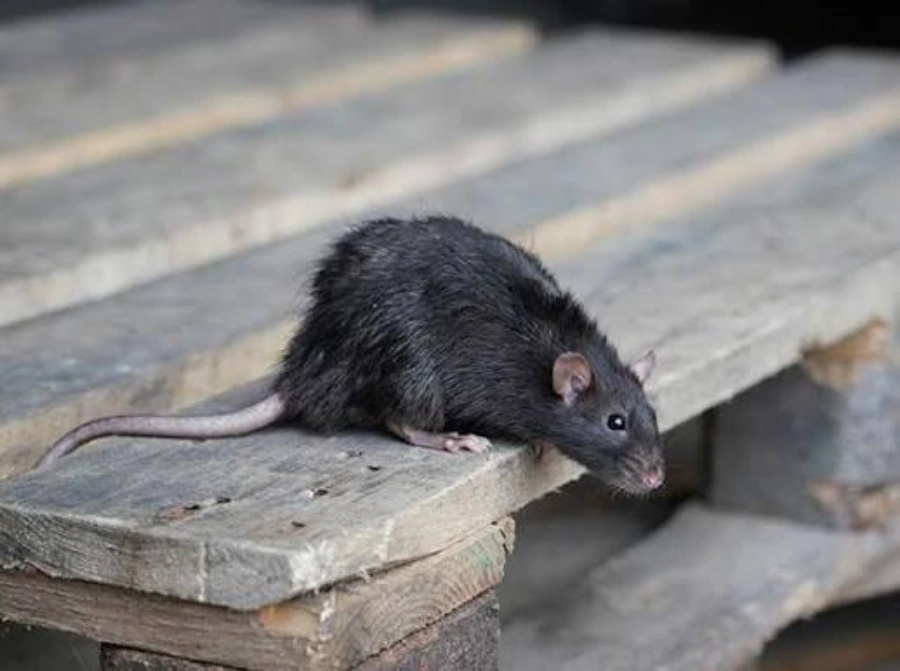
Other identifying characteristics include:
- A thick, muscular body.
- A relatively blunt nose.
- Small ears compared with the head.
- Coarse brown or gray-brown fur.
- A lighter-colored underside in many individuals.
- Strong feet and claws suited to digging and climbing.
Color alone is not enough to identify a rodent species. Lighting, age, individual variation, and wet or dirty fur can change how an animal appears.
Norway Rat Size, Weight and Tail
This species is among the larger rodents commonly encountered around buildings.
Adult animals commonly measure around 16–18 inches (approximately 40–46 cm) from nose to tail tip, although measurements vary. The tail is generally shorter than the head-and-body length.
Typical adult weight is approximately 200–500 grams (about 7–18 ounces). Some individuals may fall outside this range depending on age, sex, food availability, and local conditions.
Males are generally larger than females.
How Big Can the Largest Norway Rat Get?
Large individuals may appear considerably bigger than an average rat, especially when their fur is raised or their bodies are viewed from an unusual angle. However, photographs and reports of exceptionally large rats can be misleading because perspective and body condition affect perceived size.
A very large rodent should not automatically be identified as this species. Muskrats and other rodents can be mistaken for large rats, particularly near water.
For reliable identification, consider body shape, tail proportions, head characteristics, habitat, and other evidence rather than size alone.
Norway Rat Habitat and Distribution
These rodents are highly adaptable. They can occupy natural habitats as well as environments heavily influenced by people.
Common habitats include:
- Sewers and drainage systems.
- Garbage collection areas.
- Agricultural buildings and grain-storage facilities.
- Warehouses and storage areas.
- Basements and ground-level building spaces.
- Burrows beneath sidewalks and foundations.
- Areas with dense vegetation or accumulated debris.
- Locations near reliable food and water sources.
They are especially associated with ground-level shelter and underground burrows. They can climb when necessary, but their usual nesting and foraging patterns are more closely connected to the ground than those of roof rats.
Where Do Norway Rats Live Around Homes?
Around residential properties, possible nesting and shelter locations include:
- Beneath concrete slabs and patios.
- Along foundations and retaining walls.
- Under sheds, decks, and outdoor structures.
- Near garbage containers and compost areas.
- In dense ground cover and overgrown landscaping.
- Around outdoor storage and accumulated materials.
- In crawl spaces and other accessible ground-level areas.
An outdoor burrow or a gap near a foundation does not, by itself, prove that rodents are entering the building. Look for additional evidence, such as fresh droppings, tracks, gnaw marks, runways, or repeated sightings.
Norway Rats in Texas
Texas Tech University’s Natural Science Research Laboratory describes this species as widespread in Texas. Its account also notes that it is less common in the southern half of the state than the black rat, commonly known as the roof rat.
The same Texas species account identifies marshy areas on Galveston Island as suitable habitat and describes its association with basements, ground-floor spaces, and burrows beneath sidewalks and outbuildings.
This information provides useful regional context, but it does not establish how common the species is in every Houston neighborhood or property.
In the Houston area, property owners should avoid identifying a rodent from location alone. A rat seen near a home could be a Norway rat, a roof rat, or another animal. Physical characteristics and evidence around the property are more useful than assumptions based only on geography.
Norway Rat Burrows, Holes and Underground Tunnels
One of the characteristic behaviors of this species is digging. Burrows provide shelter, nesting space, and protection from predators and environmental conditions.
Burrows may be established in soft soil near:
- Building foundations.
- Sidewalks and concrete slabs.
- Retaining walls.
- Sheds and outdoor structures.
- Garbage and storage areas.
- Dense vegetation.
- Other protected ground-level locations.
How to Recognize a Possible Burrow
A possible burrow entrance may appear as a round or oval opening in the soil. It may be located beside a hard surface, under a structure, or near a protected area.
Other clues may include:
- Smooth or compacted soil around the opening.
- Repeated tracks leading toward the entrance.
- Disturbed soil or nearby runways.
- Droppings or feeding evidence in the surrounding area.
- More than one opening connected to the same underground area.
Some burrows have multiple entrances and underground chambers. A tunnel may connect a nesting area with other sheltered spaces or feeding locations.
Not every hole in a yard is made by a rat. Drainage openings, erosion, other wildlife, and landscaping activity can produce similar features. Avoid putting your hand into an opening or disturbing a suspected nest.
Norway Rat Nests and Nesting Locations
A nest provides a protected place for resting and raising young. These rodents may construct nests within burrows or use sheltered spaces that already exist.
Common nesting materials include shredded paper, fabric, dry plant matter, insulation, and other soft materials available nearby.
Potential nesting locations include:
- Underground burrow chambers.
- Spaces beneath sheds and decks.
- Protected areas under concrete structures.
- Crawl spaces.
- Ground-level storage spaces.
- Accumulated debris and clutter.
A nest may contain shredded material, droppings, food remnants, and other signs of activity. However, finding loose nesting material does not confirm which species made it.
What Do Norway Rats Eat?
These rodents are omnivorous and opportunistic feeders. They can eat a wide range of plant and animal materials, depending on what is available.
Common food sources include:
- Grains and seeds.
- Fruits and vegetables.
- Pet food and animal feed.
- Food scraps and garbage.
- Stored food products.
- Eggs and other animal-based food sources.
- Insects and other available food.
In residential areas, accessible garbage, uncovered food, pet food, birdseed, and poorly stored supplies can provide feeding opportunities.
What Attracts Them to a Property?
Food is only one part of the problem. Water and shelter also influence whether rodents remain around a property.
Conditions that may attract them include:
- Unsecured garbage and overflowing bins.
- Food waste left outdoors.
- Pet food stored in accessible containers.
- Birdseed or animal feed scattered on the ground.
- Leaking outdoor taps and standing water.
- Dense vegetation near buildings.
- Clutter and stored materials that provide shelter.
- Unsealed gaps around building foundations and utility openings.
Reducing these conditions can make a property less attractive, although it cannot guarantee that rodents will never visit.
Norway Rat Droppings: Identification and Characteristics
Droppings are one possible sign of rodent activity. Their appearance can help with an initial assessment, but droppings alone cannot confirm a species.
Typical rat droppings are relatively large compared with mouse droppings. They are often dark brown or black and may have an elongated, capsule-like shape. Their appearance can vary with diet, age, and condition.
How to Identify Possible Norway Rat Poop
Look for these characteristics:
- Larger than typical house mouse droppings.
- Dark brown or black coloration.
- Elongated or capsule-like shape.
- Blunt or slightly rounded ends.
- Droppings found near food sources, sheltered routes, burrows, or wall edges.
The term Norway rat feces refers to the same waste material. Search phrases such as rat poop, rat droppings, and rat feces are commonly used interchangeably, but appearance alone is not enough for reliable species identification.
Where Might Droppings Be Found?
Possible locations include:
- Along walls and behind stored items.
- Near food-storage areas.
- Around garbage containers.
- In garages and storage spaces.
- Near burrow entrances.
- Along sheltered travel routes.
The number, location, and apparent freshness of droppings can help indicate whether activity may be ongoing. Texas A&M AgriLife Extension also identifies droppings, tracks, gnawing, greasy marks, runways, and sounds as signs worth considering together.
Important safety note: Do not vacuum or sweep rodent droppings. The CDC advises wetting droppings with an appropriate disinfectant before wiping them up while wearing gloves. Follow the CDC’s current instructions for cleaning rodent waste, dead rodents, and nesting material.
For more information, see the CDC guide: How to Clean Up After Rodents.
See our rat droppings cleanup information for how droppings and nesting material are handled in Houston properties.
Norway Rat Tracks and Other Signs of Activity
Tracks may appear in dusty areas, soft soil, mud, or other surfaces that retain footprints.
A rat may leave evidence along repeated travel routes between shelter, food, and water.
Other possible signs include:
- Footprints in moist soil or dust.
- Tail drag marks in suitable surfaces.
- Gnaw marks on wood, plastic, packaging, or other materials.
- Greasy rub marks along frequently used edges.
- Worn paths through grass or debris.
- Disturbed garbage or food packaging.
- Scratching, scurrying, or squeaking sounds.
- A persistent animal or urine-like odor in poorly ventilated spaces.
No single sign confirms an active infestation. A combination of fresh evidence in several locations provides a stronger reason to investigate further.
Norway Rat Behavior and Activity Patterns
These rodents are generally most active around dusk and during the night. They often use sheltered routes and may avoid exposed areas when people are nearby.
They are capable swimmers and can climb when conditions require it. Their ability to move through drainage systems, around buildings, and through protected ground-level routes helps them use a wide range of environments.
They also learn familiar travel routes between food sources and shelter. Repeated activity in the same area may therefore produce visible runways, rub marks, and recurring droppings.
Although daytime sightings can occur, seeing a rat during daylight does not by itself establish how severe an infestation is. Food availability, disturbance, competition, and other environmental conditions can affect when an animal is seen.
Reproduction, Life Cycle and Lifespan
This species can reproduce throughout the year when conditions are suitable, although breeding activity may vary with season and local conditions.
Females can become sexually mature within a few months. Pregnancy generally lasts around three weeks, and a litter commonly contains several pups.
Newborn rats are blind, hairless, and dependent on their mother. Their eyes open after approximately two weeks, and they begin moving away from the nest as they develop. Young rats are weaned after several weeks.
How Long Do They Live?
Wild individuals generally have shorter lifespans than rats kept in protected captive conditions. Their survival depends on food availability, disease, predators, environmental conditions, and other pressures.
The Smithsonian’s National Zoo describes a lifespan closer to two years in the wild, while captive animals may live longer.
Because reproduction can occur repeatedly under suitable conditions, an established population may grow if food, water, and shelter remain available.
Are Norway Rats Dangerous?
Rats can create health, sanitation, and property concerns. They may contaminate food and surfaces, damage stored materials, gnaw building components, and undermine soil around structures.
They can also carry pathogens and parasites. The specific health risk depends on the organism, the animal, the exposure route, and the circumstances.
For example, the CDC explains that Seoul virus is a hantavirus carried primarily by Norway rats. Infected rats can shed the virus in urine, feces, and saliva, and people can become infected through exposure to infected rats or contaminated materials.
This does not mean every rat carries Seoul virus or that every encounter results in infection. Avoid direct contact with wild rodents, their waste, and nesting materials.
If you experience a bite or believe you may have had a significant exposure, seek advice from a healthcare professional and explain the circumstances.
Norway Rat vs. Roof Rat: What Is the Difference?
Norway rats and roof rats are different species. Both can live around buildings, but their physical characteristics and typical nesting habits differ.
| Characteristic | Norway Rat | Roof Rat |
|---|---|---|
| Scientific name | Rattus norvegicus | Rattus rattus |
| Body shape | Stocky and heavy | Slender and agile |
| Typical color | Brown or gray-brown | Often black, brown, or gray |
| Muzzle | Relatively blunt | More pointed |
| Ears | Relatively small | Larger in proportion to the head |
| Tail | Usually shorter than head and body | Usually longer than head and body |
| Common nesting areas | Burrows and ground-level shelter | Attics, elevated spaces, trees, and roof areas |
| Typical habitat preference | Ground-level areas | Elevated and above-ground areas |
These are general identification characteristics, not a substitute for professional species identification. Individual appearance and nesting behavior can vary.
For a more detailed comparison, read our guide toroof rats.
Norway Rat Control and Professional Removal Options
Effective rodent management usually involves more than addressing a visible rat. It requires understanding where the animal is finding food, water, and shelter, how it may be moving around the property, and whether access points need attention.
A coordinated approach may involve:
- Identifying the rodent species and signs of activity.
- Reviewing likely food and water sources.
- Checking possible nesting areas and travel routes.
- Reducing accessible food, garbage, and clutter.
- Reviewing potential building access points.
- Considering suitable control and monitoring methods.
- Addressing structural openings where appropriate.
The correct approach depends on the property, the location of activity, the extent of the problem, and safety considerations.
If you are researching Norway rat control or how to get rid of rats, avoid relying on an isolated treatment without considering the conditions that allowed the rodents to settle there.
You can learn more about the options discussed on our rat removal in Houston page.
Website disclosure: Rodent removal and other on-site work are carried out by independent providers, not by this informational website. Provider availability, service coverage, qualifications, pricing, and the work offered must be confirmed directly with the provider.
Looking for Rat Removal Information in Houston?
If you are researching professional options for a rat problem in the Houston area, visit our rat removal information page. Independent service providers perform the actual inspections and pest-control work. Confirm service availability, qualifications, pricing, and scope directly with the provider.
How to Reduce the Likelihood of Rat Activity
Property maintenance and good sanitation can reduce food, water, and shelter opportunities.
Secure Food and Waste
- Keep food in sealed, pest-resistant containers.
- Store pet food securely.
- Avoid leaving food scraps outdoors.
- Use garbage containers with tight-fitting lids.
- Clean food spills and waste promptly.
Reduce Outdoor Shelter
- Remove unnecessary clutter near exterior walls.
- Keep vegetation maintained around buildings.
- Store materials neatly and avoid creating hidden spaces.
- Check beneath sheds, decks, and other outdoor structures for signs of activity.
Review Possible Entry Points
- Check gaps around pipes and utility lines.
- Inspect damaged door seals and other openings.
- Review foundation gaps and damaged exterior materials.
- Keep doors and other access points closed when not in use.
- Consider appropriate repairs where openings are identified.
A visible gap is a possible access point, not proof that a rodent is using it. Any repair should suit the opening, building material, and conditions involved.
For additional information about building protection, explore our rodent exclusion information.
Frequently Asked Questions About Norway Rats
What is a Norway rat?
A Norway rat (Rattus norvegicus) is a large rodent also known as a brown rat, common rat, or wharf rat. It often lives near people and may occupy sewers, burrows, buildings, and areas where food and shelter are available.
What does a Norway rat look like?
It typically has a stocky body, coarse brown or gray-brown fur, a blunt muzzle, relatively small ears, and a mostly hairless tail that is shorter than its head-and-body length.
How big do Norway rats get?
Adults commonly measure around 16–18 inches (40–46 cm) from nose to tail tip and weigh approximately 200–500 grams. Actual size varies by age, sex, and environmental conditions.
Where do Norway rats live?
They may live in sewers, fields, garbage areas, warehouses, basements, ground-level building spaces, and underground burrows. They usually favor sheltered locations close to food and water.
Do Norway rats dig burrows?
Yes. They can dig underground burrows near foundations, sidewalks, sheds, and other protected areas. Burrows may contain nesting chambers and more than one entrance.
What do Norway rats eat?
They are omnivorous and eat a wide variety of plant and animal materials. Common food sources include grains, seeds, fruits, garbage, pet food, animal feed, and accessible food scraps.
How can you identify Norway rat droppings?
Possible droppings are generally dark and elongated, with a larger size than typical mouse droppings. However, appearance alone cannot confirm the species. Consider the location and other signs as well.
How long do Norway rats live?
Wild individuals often live around one to two years, although lifespan varies considerably. Rats in protected captive conditions may live longer.
Can Norway rats enter a house?
Yes. They may enter through suitable openings around foundations, doors, utility lines, damaged materials, and other accessible areas. The presence of an opening alone does not prove that a rodent is using it.
Are Norway rats dangerous?
They can contaminate food, damage property, and carry pathogens or parasites. Avoid direct contact with wild rats and their waste. Seek medical advice after a bite or suspected disease exposure.
The rodent diseases hub summarises the illnesses rats and mice can spread.
What is the difference between a Norway rat and a roof rat?
A Norway rat is generally stockier, with a blunter muzzle and a tail shorter than its head-and-body length. A roof rat is usually slimmer, has a more pointed muzzle, and has a longer tail. Norway rats more often use burrows, while roof rats commonly nest in elevated locations.
What signs indicate Norway rat activity around a property?
Possible signs include underground burrow entrances, droppings, footprints, gnaw marks, greasy rub marks, runways, disturbed food packaging, and noises around sheltered areas. Multiple signs together provide a stronger reason to investigate.
Learn More About Rodents
Understanding the differences between rodent species can help you interpret the signs found around a property.
- Learn about roof rats.
- Learn about house mice.
- Explore rat removal in Houston.
- Learn about rodent exclusion.
If you have noticed possible rodent activity, you can contact us to share your concerns. Any potential connection with an independent provider, including availability and service arrangements, must be confirmed separately.