
Home›Problem Checker
RODENT ACTIVITY ASSESSMENT
Rodent Problem Checker: Assess Possible Rodent Activity
Understand the Signs. Know What to Do Next.
Noticing unusual sounds, damaged food packaging, droppings or other unexplained signs around your property can leave you unsure about what is happening.
Our interactive checker helps you organize what you have observed. It considers the signs you report, the areas where they appear, when you first noticed them and how frequently they occur.
Answer six short questions to receive a preliminary assessment with practical next steps. You can use the result to understand which details may be worth documenting and whether a closer property assessment may be appropriate.
This tool provides general information based on your answers. It does not confirm an infestation, identify an animal with certainty or replace a property inspection.
Interactive Tool
Houston Rodent Problem Checker
Understand the Signs. Know What to Do Next.
Not sure whether you’re dealing with mice, rats, or another issue? Answer a few questions about the signs you’ve noticed and get a personalized preliminary assessment with practical next steps.
Quick Rodent Assessment
Check common signs, affected areas and how often you’ve noticed activity. Get useful guidance without completing a long form.
This tool provides general information, not a pest inspection or a definitive identification.
Houston Rodent Problem Checker
What Does the Rodent Problem Checker Do?
This interactive assessment helps visitors review possible signs of rodent activity and the circumstances surrounding them.
It considers six areas of information:
- Signs you have observed, such as droppings, gnaw marks, sounds or sightings.
- The animal you suspect, if you have an idea.
- Locations where signs have appeared.
- When you first noticed the signs.
- How frequently you have noticed activity.
- Possible contributing conditions, including gaps, accessible food, moisture and clutter.
After you complete the questions, the checker summarizes your selections and displays one of four preliminary assessment categories.
The result is generated automatically from the information you select. It is not based on a physical examination, verified rodent counts, laboratory testing or professional diagnosis.
How to Use the Rodent Problem Checker
The checker takes approximately one to two minutes to complete.
Step 1: Report the signs you have noticed
Select all applicable signs, such as droppings, a rodent sighting, scratching sounds, gnaw marks, nesting material, unusual odours, tracks or damaged food packaging.
If you cannot identify a clear sign, choose the option indicating that you are unsure or have not noticed any listed signs.
Step 2: Choose the animal you suspect
Select mice, rats, possibly both, or another animal/not sure.
You do not need to identify the animal to complete the assessment. An indirect sign, such as a sound or damaged package, is not enough by itself to establish a species.
Step 3: Select the affected locations
Choose every area where you have noticed possible activity. These may include a kitchen, attic, garage, walls, crawlspace, living area or the exterior of the property.
Do not enter an unsafe or confined space to investigate.
Step 4: Describe when you first noticed the signs
Indicate whether the signs appeared within the last day, during the past week, within the past month, more than a month ago or at an unknown time.
Step 5: Describe how often activity occurs
Choose whether you noticed the signs once, occasionally, several times a week, every day or are unsure.
Step 6: Report possible contributing conditions
Select any conditions you have noticed, including openings, accessible food or pet food, water or moisture, clutter or undisturbed storage.
The checker then displays your answers, a preliminary assessment category and suggested next steps.
Common Signs That May Indicate Rodent Activity
Rodents are not always seen directly. Some signs may appear in areas where they move, feed or seek shelter.
The presence of an individual sign does not automatically confirm an active infestation. Consider the location, condition, repetition and context of what you have observed.
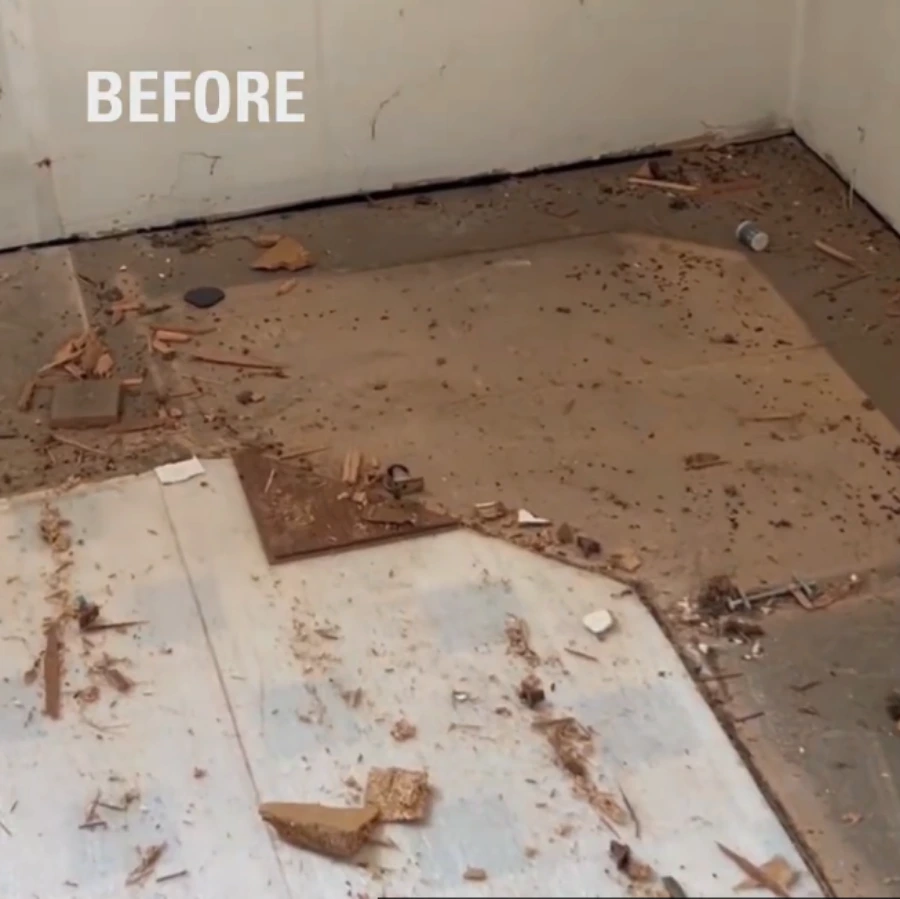
Droppings
Droppings may appear in cupboards, drawers, food-storage areas, garages, attics and other places rodents can access.
Record where you noticed them and whether similar material appears again. Droppings can be difficult to identify accurately from appearance alone, so avoid handling them to investigate.
The CDC identifies droppings as one of the common signs worth checking when looking for rodent activity. It also cautions that examining droppings alone can make it difficult to establish whether an active rodent population is present.
Rodent sightings
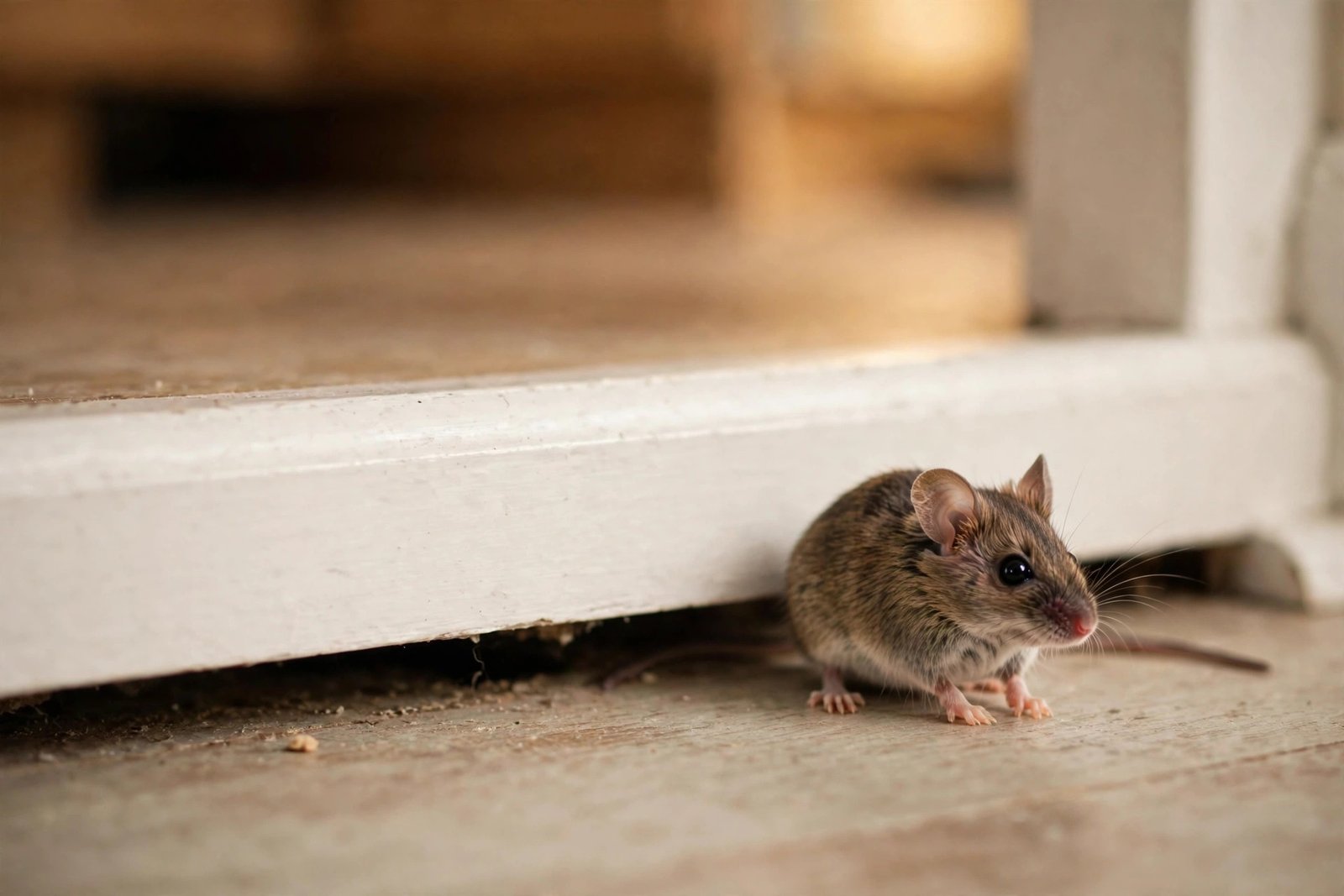
Seeing a mouse or rat is a more direct observation than hearing an unexplained noise or finding damage.
If you see an animal, note where and when it appeared. A sighting near a building does not necessarily establish where it entered or whether there are additional animals.
The checker allows you to report a suspected animal, but it does not verify your identification.
Scratching or movement sounds
Scratching, scurrying or movement sounds may be noticed around walls, ceilings, floors or attic spaces.
However, sounds can have several possible sources, including building materials, plumbing, ventilation and other animals. A sound alone cannot establish that rodents are present.
Record the approximate time, location and frequency. Avoid opening walls or entering an unsafe attic or crawlspace to investigate.
Gnaw marks and damaged materials
Rodents gnaw on materials, and damage may appear around food packages, stored goods, wood or other accessible surfaces.
The CDC notes that gnaw marks can indicate rodent activity, but marks may reflect activity that occurred in the past rather than proving that rodents are currently present.
Photograph visible damage from a safe position if possible. Avoid touching damaged electrical wiring or other potentially hazardous materials.
Nesting materials
Shredded paper, fabric or other gathered materials may be worth noting when found in a sheltered area.
Do not pull apart suspected nests or disturb the material to identify what it contains. Nesting materials can be contaminated and should be handled using appropriate precautions.
Unusual odours
A persistent musty or animal-like smell in an enclosed space may be worth documenting, especially when it occurs alongside other signs.
Odours are not specific to rodents. Moisture, plumbing problems, decaying materials and other sources can produce similar smells.
Record the location and whether the smell is persistent or occasional. Do not enter an enclosed or unsafe area simply to investigate it.
Tracks, rub marks and smudge marks
Footprints or movement marks may appear in dust, soft material or along surfaces where animals travel.
Smudge or rub marks may also be noticed near edges, openings or repeated travel routes. However, these marks are not always easy to identify and may have other explanations.
The checker groups tracks, rub marks and smudge marks as reported indicators. It cannot verify their source.
Damaged food packaging
Chewed or disturbed food packages may indicate that an animal has accessed stored food.
Check whether packaging damage is accompanied by other signs, such as droppings or gnaw marks nearby. Do not consume food that may have been contaminated by rodents.
Store food and pet food in sealed containers and clean up accessible food spills where practical.
Where Rodent Activity May Be Noticed
The location of a reported sign can help explain the circumstances and identify areas that may need further assessment.
Kitchen and pantry
Food storage areas, cabinets, counters and pantry spaces can provide access to food and water. Check for disturbed packaging, droppings or other visible signs without touching suspected contaminated material.
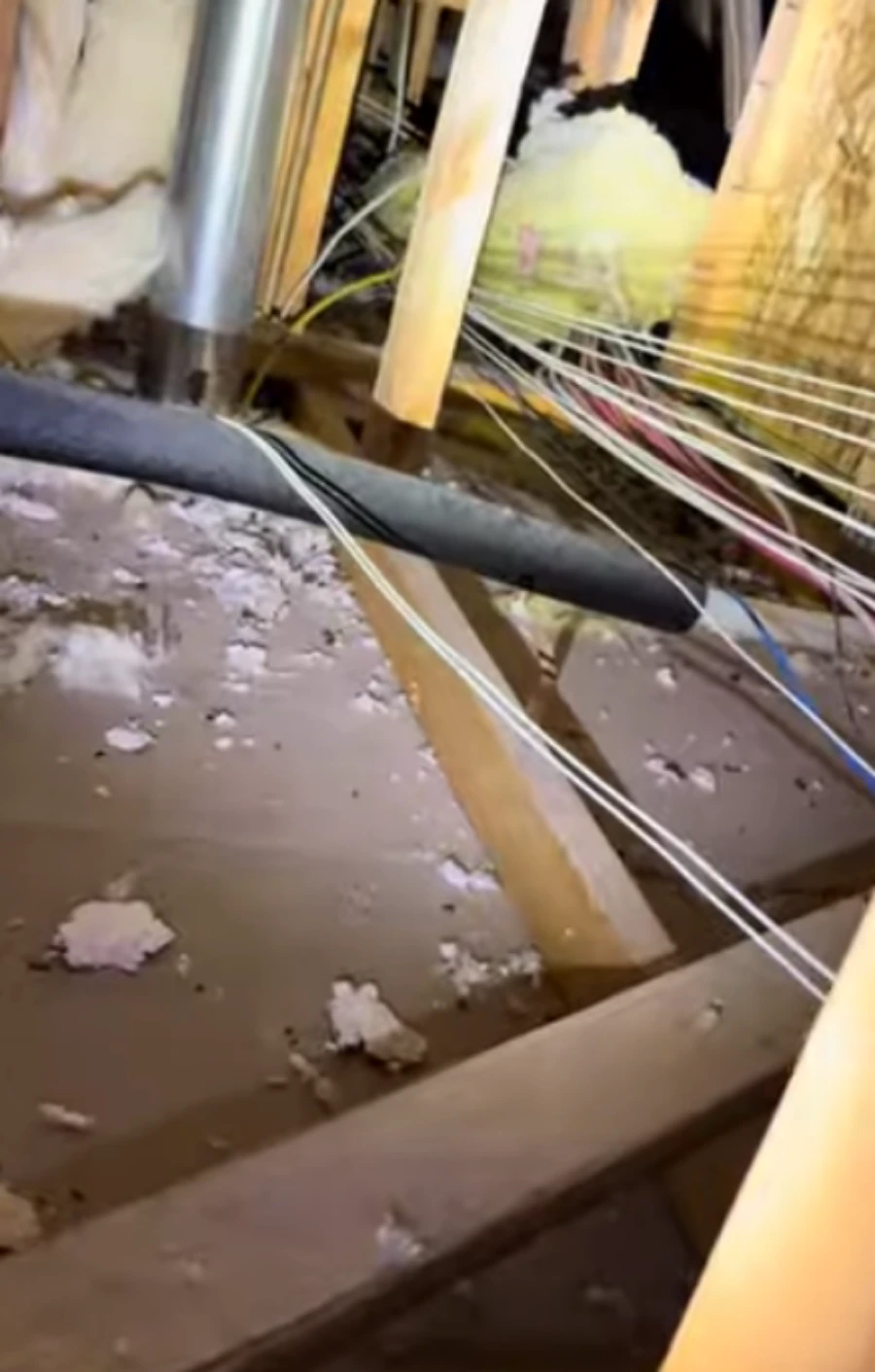
Attic and roof space
Attics may contain insulation, stored materials and openings around the building structure. Scratching sounds or other reported signs in this area may warrant a closer assessment.
Do not climb onto the roof or enter an attic if access is unsafe.
Garage and storage areas
Garages, sheds and storage spaces may contain boxes, stored belongings, food supplies or other materials that offer shelter.
Look for visible damage and changes in stored items from a safe position. Avoid disturbing suspected nests.
Walls and ceilings
Sounds or signs around wall and ceiling spaces can be difficult to investigate because the suspected activity may be inside a building cavity.
Do not cut into walls or dismantle ceiling materials based only on a questionnaire result. A suitable inspection may be needed to determine the source.
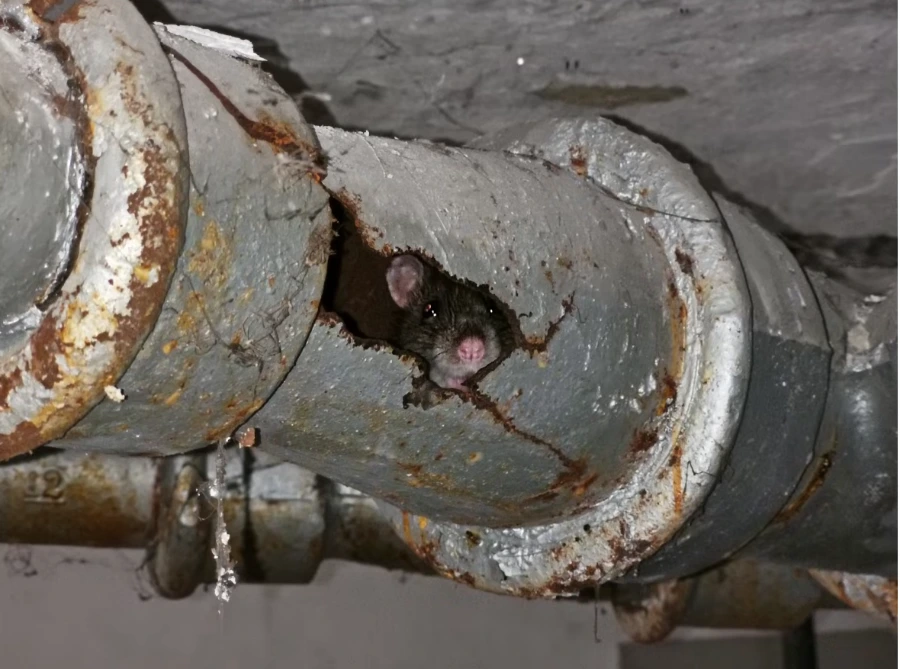
Crawlspace and under-floor areas
Crawlspaces can contain utility lines, moisture and restricted access. If signs are reported in these locations, do not enter a confined or potentially unsafe area yourself.
Living areas and bedrooms
Signs in regularly occupied rooms may include a sighting, damaged packaging, droppings or unexplained sounds.
Record the exact location and whether the signs recur. Keep children and pets away from suspected contaminated material.
Yard and exterior areas
Possible signs may be noticed near foundations, bins, fences, stored materials or outbuildings.
Exterior observations can help identify conditions worth checking, but an outdoor sighting does not by itself confirm that rodents have entered the building.
Why Timing, Frequency and Location Matter
A single observation and a repeated pattern are not the same situation.
The checker asks when signs were first noticed and how often they have appeared because these details help describe the reported circumstances.
When signs first appeared
A concern noticed today may need a different follow-up discussion from signs that have appeared over several weeks. However, the date a sign was discovered does not necessarily tell you when the underlying activity began.
How frequently signs appear
A one-time observation may be isolated. Repeated observations, particularly in the same area, provide additional information worth documenting.
If signs continue to appear after an area has been appropriately cleaned, record the dates and locations rather than assuming the cause.
How many areas are involved
Signs reported in several locations may justify a broader assessment than a concern limited to one accessible area.
The checker records your selected locations, but it does not measure the size of an infestation or determine how many rodents may be present.
Can You Tell Whether It Is a Mouse or a Rat?
Sometimes a direct sighting provides useful clues, but indirect signs do not always make identification reliable.
Droppings, scratching sounds, damaged packaging, tracks and gnaw marks can be associated with rodent activity, but their appearance and location may not be enough to distinguish mice from rats.
Other animals and non-animal sources can also produce similar observations.
The checker lets you select mice, rats, possibly both or another animal/not sure. This is your reported impression, not a verified identification.
If you are uncertain, select the unsure option. An appropriate property assessment can help determine what is present.
Understanding Your Rodent Problem Checker Result
The checker displays one of four preliminary assessment categories, based on the signs, areas, timing and frequency you report.
No clear rodent signs selected
Your answers do not identify a specific rodent sign. If you continue to notice unusual sounds, damage or other evidence, record where and when it occurs and consider an inspection.
Several signs warrant closer inspection
You reported multiple or recurring indicators that can be consistent with rodent activity. This does not confirm an infestation, but a professional inspection would help determine what is present and where activity may be occurring.
Possible rodent activity identified
One or more signs you selected can be associated with rodent activity. The source cannot be confirmed from a questionnaire alone. Check the affected area safely and consider arranging an inspection if signs persist.
More information may be needed
Your answers do not establish a clear pattern. Keep a note of any new signs and the areas where they appear. An on-site assessment can help identify the source.
These categories are automated summaries of your selections. They are not professional inspection grades, confirmed diagnoses or numerical infestation-severity scores.
What Should You Do After Completing the Checker?
Your next steps depend on what you observed and whether the signs continue.
Record what you notice
Write down the date, location and type of sign. Note whether it appears once or repeatedly. Photographs taken from a safe distance may help explain the concern to a service provider.
Avoid disturbing suspected contamination
Do not sweep or vacuum rodent droppings, urine or nesting material. Follow appropriate public-health cleanup guidance before attempting cleanup.
Reduce accessible food and shelter
Where practical, store food and pet food in sealed containers, remove accessible food waste and reduce unnecessary clutter. Check for possible openings without entering unsafe areas.
Review possible entry points
If you have noticed gaps around doors, pipes, vents or the exterior, use our Rodent Entry Point Checker to review common building areas where openings may be worth checking.
The entry-point tool is a checklist, not a structural inspection or confirmation that a particular opening is being used.
Understand possible service considerations
If you want to organize information about property type, activity locations, possible exclusion and cleanup requirements, use our Rodent Control Cost Estimator.
Its current result is a preliminary service assessment, not a guaranteed price or binding quotation.
Consider an appropriate property inspection
If signs recur, appear in several areas or involve locations that are difficult to access, an independent service provider may be able to assess the property and discuss appropriate next steps.
Rodent Control Houston connects visitors with independent service providers. Any inspection, recommendations, availability, treatment and pricing must be confirmed directly with the provider.
Important Safety Guidance for Droppings and Nesting Materials
Rodent urine, droppings and nesting materials should be handled carefully. The CDC advises against sweeping or vacuuming these materials before appropriate disinfection because this can put contaminated particles into the air.
For routine cleanup of small amounts of rodent urine and droppings, CDC guidance includes:
- Wear rubber or plastic gloves.
- Thoroughly wet the material with an appropriate household disinfectant or the CDC-recommended bleach solution.
- Allow the disinfectant to remain for the contact time specified by its label or CDC guidance.
- Use paper towels to remove the material.
- Disinfect the affected hard surface and wash your hands after removing gloves.
Follow the full CDC instructions for the specific material and situation. Do not mix cleaning products, and follow product-label safety directions.
Heavy infestations, extensive contamination and inaccessible areas may require additional precautions. Do not attempt extensive cleanup yourself; seek appropriate professional or public-health guidance.
If you feel unwell after possible rodent exposure, contact a healthcare professional and explain the exposure. The checker cannot assess disease risk or diagnose an illness.
Source: CDC — How to Clean Up After Rodents
For health information about rodent exposure, see our Hantavirus guide.
When Should You Consider a Professional Inspection?
Consider discussing an inspection with an independent service provider when:
- You repeatedly notice signs in the same area.
- Several different indicators appear together.
- Activity is reported in multiple parts of the property.
- You hear recurring sounds in walls, ceilings or attic spaces.
- You find possible activity in a crawlspace or another difficult-to-access location.
- You are unsure how to handle suspected droppings or nesting materials.
- Signs continue despite reasonable steps to reduce accessible food and shelter.
An inspection can help establish what is present, where activity may be occurring and what work, if any, is appropriate.
The checker does not arrange or guarantee an appointment. Inspection availability and terms must be confirmed directly with the independent provider.
Frequently Asked Questions About Rodent Activity
For broader questions about rodent problems and services, see our frequently asked questions.
What does the Rodent Problem Checker assess?
It summarizes six types of information: reported signs, suspected rodent type, affected areas, when signs were first noticed, how often they occur and possible contributing conditions.
Can the checker confirm that I have a rodent infestation?
No. It is an automated, non-diagnostic assessment based on your answers. It cannot inspect your property, confirm rodent presence or establish infestation severity.
Can it identify whether I have mice or rats?
No. You can select the animal you suspect, but the checker does not verify the species. Indirect signs such as noises, droppings and damage may not provide enough information for reliable identification.
Which signs should I record?
You can record droppings, sightings, scratching or movement sounds, gnaw marks, nesting materials, unusual odours, tracks or rub marks, and damaged food packaging. Include the location and date of each observation.
Do scratching sounds always mean rodents are in the walls?
No. Scratching or movement sounds can have different sources. Their location, timing and repetition may help guide further assessment, but sound alone cannot confirm rodents.
Does one sighting mean there is an infestation?
Not necessarily. A sighting is useful information, but it does not establish the number of animals, the extent of activity or whether there are additional rodents.
Why does the checker ask how often I notice activity?
Frequency helps describe whether the concern is isolated or recurring. Repeated observations can provide useful context for a property assessment, but frequency alone does not establish infestation severity.
Why does it ask about several affected areas?
Reported signs in multiple locations may indicate that a broader property assessment is worth considering. The tool records the areas you select but does not determine the actual extent of activity.
What if I am not sure what caused the signs?
Choose the unsure option where available. It is better to report uncertainty than to identify an animal or sign incorrectly.
Should I sweep or vacuum rodent droppings?
No. CDC guidance says not to sweep or vacuum rodent urine, droppings or nesting materials before appropriate disinfection. Follow CDC cleanup instructions and seek professional guidance for heavy contamination.
Does this tool assess hantavirus or other disease risks?
No. It does not identify pathogens, assess exposure or diagnose illness. For safe cleanup information, consult the CDC. If you feel unwell after possible exposure, contact a healthcare professional and explain the circumstances.
What should I do if I notice activity in an attic or crawlspace?
Do not enter an unsafe or confined area to investigate. Record what you noticed from a safe position and consider arranging an appropriate property assessment.
Does completing the checker arrange an inspection?
No. The email option prepares a message in your email application for you to review and send. It does not book an appointment or guarantee provider availability.
What is the difference between this checker and the Entry Point Checker?
The Problem Checker organizes reported signs, locations and timing. The Entry Point Checker focuses on common building areas where possible access openings may be present. They support different parts of the initial assessment.
Explore Related Tools and Information
Check Possible Building Access Points
Use the Rodent Entry Point Checker to review doors, foundations, vents, utility openings and other areas where gaps may be worth checking.
Open Entry Point CheckerUnderstand Possible Service Requirements
Use the Rodent Control Cost Estimator to summarize property type, activity locations, possible exclusion and cleanup considerations.
Open Cost EstimatorLearn About Related Services
Explore our rodent-control services, rat removal information, mice removal information and rodent exclusion information.
Explore ServicesRelated information: mice removal • rodent exclusion • rodent droppings cleanup
Discuss Your Assessment
If you would like to talk through what you have noticed, contact us to discuss your rodent-related concern and possible next steps. Any inspection, recommendations, availability and pricing are confirmed directly with the independent service provider.