
Home›Rodent Entry Point Checker
INTERACTIVE PROPERTY TOOL
Rodent Entry Point Checker: Find Possible Access Points Around Your Home
Find Where Rodents May Be Getting Inside
Have you noticed signs of rats or mice inside your property but are unsure how they might be getting in? Small openings around foundations, doors, windows, vents, utility lines and roof structures can provide possible access routes into a building.
Our interactive Rodent Entry Point Checker helps you review common building areas, record observations and create a practical checklist of locations worth examining.
Select the parts of your property you want to review, identify any visible concerns, and receive a personalised inspection guide based on your answers.
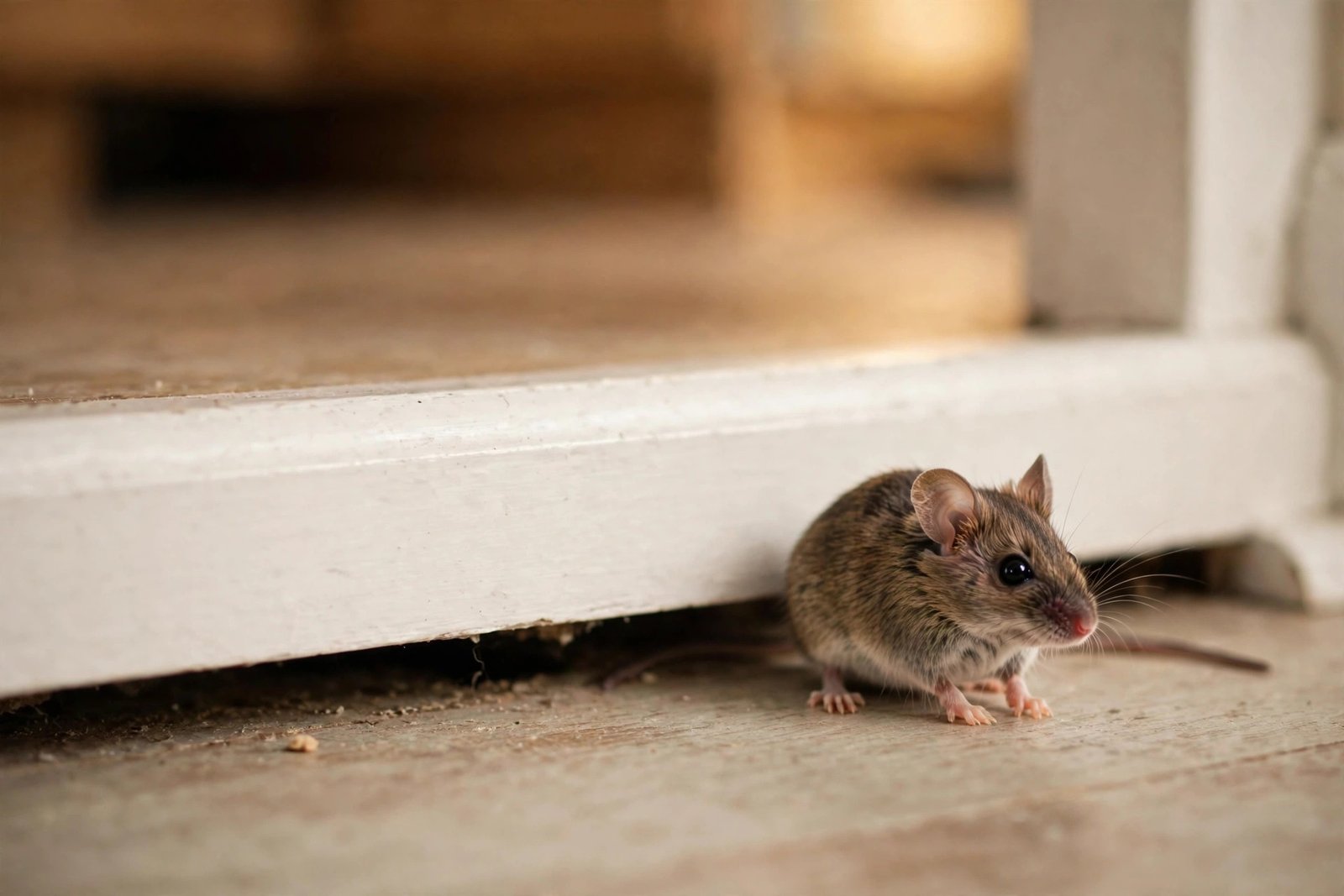
Interactive Tool
Houston Entry Point Checker
Find Where Rodents May Be Getting Inside
Select areas around your property to see common gaps, openings and building details that may deserve inspection. Learn what to look for and which next steps are appropriate.
Property Inspection Guide
Choose one or more areas around your home. We’ll create a practical checklist of locations to inspect — without assuming that every gap is being used by rodents.
Educational guidance only. Do not climb, enter confined spaces or disturb suspected nesting areas.
Houston Entry Point Checker
What Does the Entry Point Checker Do?
This interactive tool helps homeowners organise a visual review of areas where rodents may potentially gain access to a building.
Instead of asking you to inspect every part of your property, it lets you select the areas relevant to your concern. It then creates a checklist based on those selections.
The guide can help you:
- Review possible openings around the building exterior.
- Check the condition of door sweeps, weatherstripping, screens and vent covers.
- Identify visible gaps around foundations, walls and utility penetrations.
- Record observations such as gnaw marks, droppings, nesting material or rodent sightings.
- Understand which areas may deserve closer attention.
- Review safety precautions before deciding what to do next.
The result is an organised inspection checklist—not a structural assessment, pest diagnosis or confirmation that a particular opening is being used.
How to Use the Interactive Tool
The checker follows three simple steps.
Step 1 — Select the Areas You Want to Review
Choose one or more property areas from the available options. You can select several areas if you want a broader checklist.
For example, you might choose the foundation, exterior doors, roofline, attic access or ventilation openings.
Step 2 — Report What You Have Noticed
Select any observations that apply to your situation. These may include visible gaps, damaged seals, gnaw marks, nearby droppings, rub marks, tracks or a rodent sighting.
If you have not noticed anything specific, you can select the option indicating that you are checking proactively or are unsure.
Step 3 — Describe the Condition of the Area
Choose the option that best describes the opening or location:
- An opening appears open or uncovered.
- A cover, screen or seal looks damaged.
- A gap may be present, but you are uncertain.
- You have noticed rodent signs but have not found an opening.
- You cannot safely assess the area.
Once you complete the steps, the checker creates a personalised inspection guide.
You can review the selected areas, reported observations, opening condition, suggested inspection locations and relevant safety reminders.
Common Places Where Rodents May Enter a House
Rodents can use openings in different parts of a building. Some are visible from ground level, while others may be concealed behind exterior materials, inside wall spaces or around building services.
The following sections explain the main locations included in the interactive checklist.
1. Foundation and Exterior Walls
The foundation and lower exterior walls are useful places to check when reviewing possible access routes.
Look for visible concerns such as:
- Gaps where exterior siding or cladding meets the foundation.
- Openings around the edges and corners of exterior walls.
- Cracks or gaps at construction joints.
- Spaces around pipes, cables and conduits passing through walls.
- Damaged material near the bottom edges of the building.
Not every crack is a rodent access route. Its size, location, construction and connection to an accessible space all matter.
The CDC recommends checking the area between the foundation and the ground, as well as openings around service lines and exterior walls.
2. Exterior Doors and Garage Doors
Gaps around doors can provide access from outside into garages, utility rooms and living spaces.
Check these visible features:
- Door sweeps: Look for daylight or a gap beneath a closed exterior door.
- Weatherstripping: Check whether the side and top seals are torn, compressed or missing.
- Door frames: Look for spaces between the frame, surrounding wall and threshold.
- Garage door seals: Examine the bottom edge and accessible side and top seals for uneven contact or visible damage.
A door that does not close evenly or has a worn lower seal may deserve attention. Check the door while it is closed rather than assuming that a gap visible when it is open indicates an access problem.
3. Windows and Frames
Windows should fit properly within their surrounding frames, and their screens and covers should be maintained.
Possible inspection locations include:
- Gaps between the window frame and surrounding wall.
- Damaged or poorly fitted screens.
- Openings around lower window edges and window wells.
- Nearby gaps around pipes, cables or exterior trim.
A standard insect screen is not automatically a rodent-resistant barrier. If a screen is damaged, the surrounding opening and the type of protection needed should be assessed separately.
Inspect accessible areas from a safe position. Do not lean outside a window or reach over an unsafe edge.
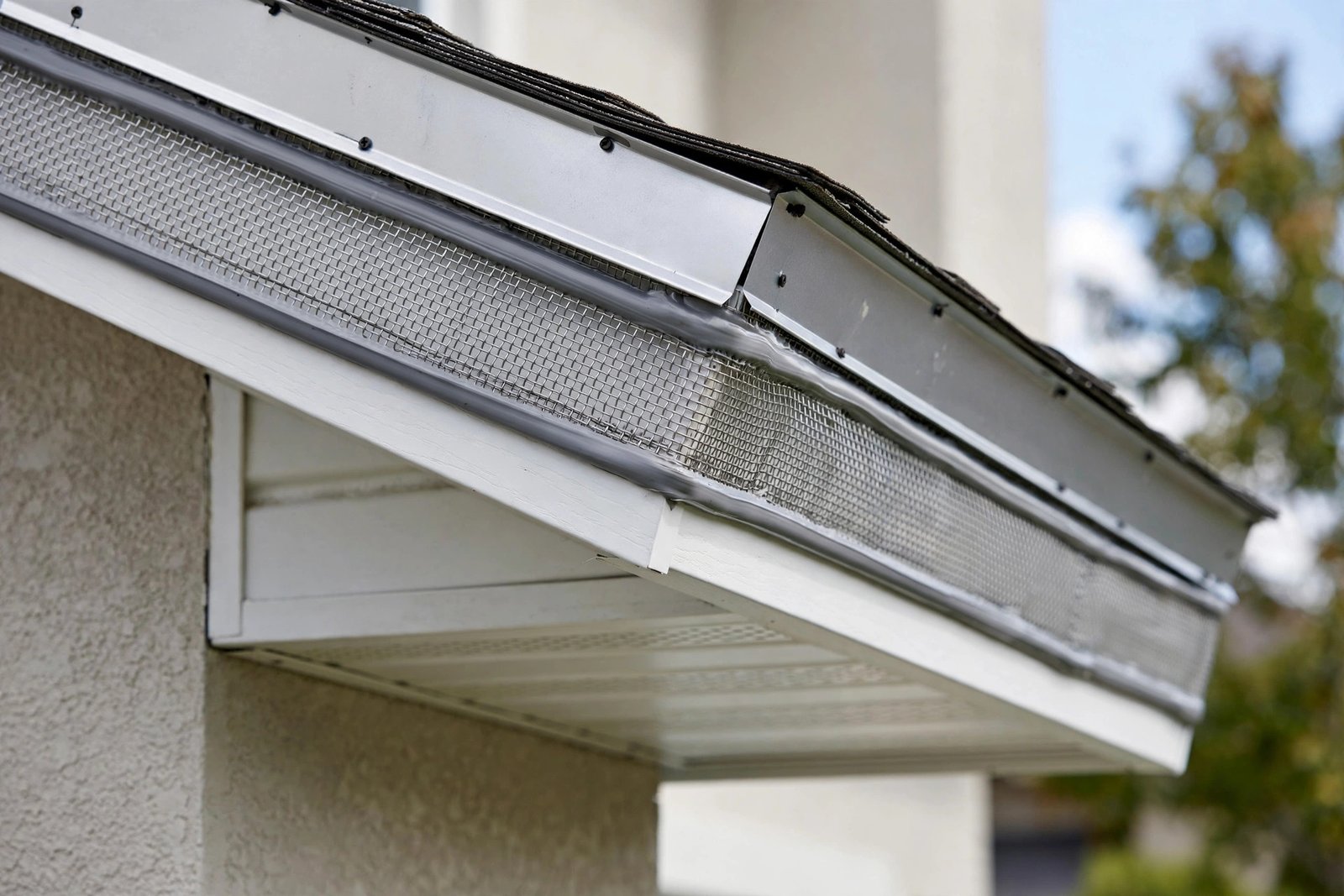
4. Roofline, Soffits and Fascia
Roof edges can contain openings that are difficult to identify from the ground.
The checklist includes:
- Loose or missing soffit panels.
- Damaged fascia boards and joints.
- Gaps where roof sections meet exterior walls.
- Damaged eaves and roof edges.
- Visible openings around roof vents, plumbing stacks and cable entries.
Rodents may reach elevated areas through connected building structures or exterior routes. However, a damaged roof component does not by itself establish that rodents have entered the attic.
Observe roofline conditions from ground level or another existing safe viewpoint. Do not climb onto a roof to investigate.
5. Attic Access and Ceiling Areas
Attics and ceiling spaces may contain access points around hatches, service openings and ventilation components.
The checker includes these locations:
- The perimeter of the attic hatch.
- Gaps around accessible ceiling penetrations.
- Exterior roof ventilation openings.
- Areas near the attic access point where sounds or signs have been noticed.
Do not enter an attic if the access is unsafe, wiring is exposed, insulation is disturbed or rodent activity is suspected. Avoid touching electrical fixtures, insulation or possible nesting material.
If you hear scratching or movement near the ceiling, record the location and timing rather than opening up the structure yourself.
Related: Attic rodent removal
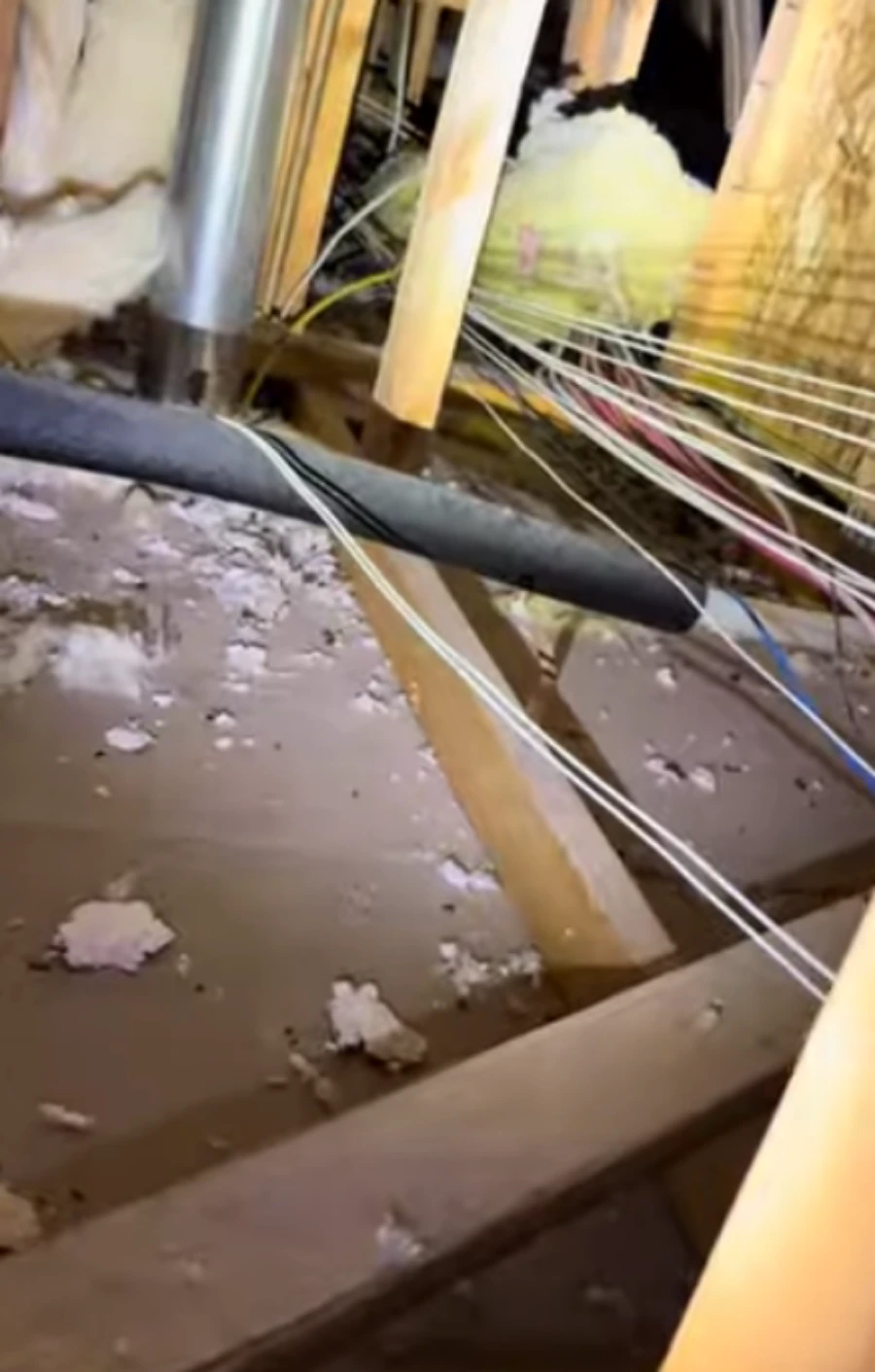
6. Vents and Exhaust Openings
Ventilation openings must allow the building to function while also having suitable protective covers.
Check visible areas such as:
- Foundation and crawl-space vent covers.
- Attic and roof vent screens.
- Dryer and exhaust outlet covers.
- Gaps around the edges of vent assemblies.
A missing, broken or poorly fitted cover may deserve further assessment.
Never block a ventilation opening as a quick rodent-control measure. Doing so may interfere with ventilation or create other building problems. Do not insert objects into dryer ducts or other ventilation systems.
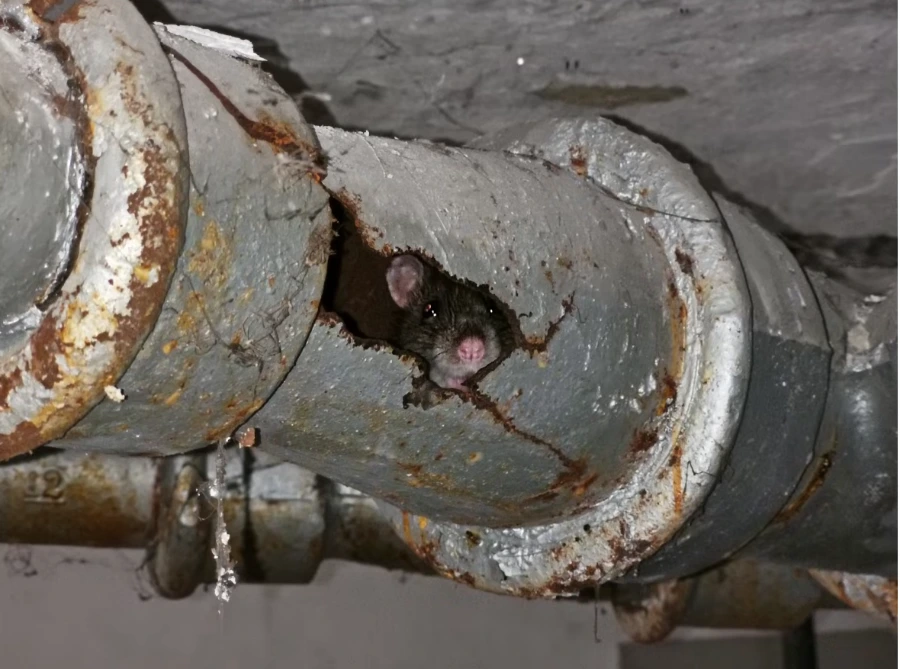
7. Pipes, Cables and Utility Penetrations
Service lines often pass through exterior walls, floors and foundations. The openings around these penetrations may be larger than the space needed by the pipe or cable itself.
Look for visible gaps around:
- Water and drain pipes.
- Electrical and data cable entries.
- HVAC and refrigerant lines.
- Condensate drains.
- Gas and other utility service lines.
Do not handle electrical wiring, gas connections or utility equipment. Any suspected opening around these services should be assessed by an appropriately qualified professional.
8. Crawl-Space and Under-Floor Perimeter
The exterior perimeter of a crawl space may have access doors, vents and service penetrations that deserve attention.
From a safe position, look for:
- Damaged or missing access covers.
- Broken or displaced foundation vent screens.
- Visible openings around pipes and cables.
- Gaps along accessible ground-level wall sections.
Do not crawl under a building or enter a confined, poorly ventilated or inaccessible area. A qualified professional should handle an inspection that requires entry.
9. Yard, Outbuildings and Exterior Features
The surrounding property can contain sheltered locations and food sources that may attract rodents.
The checklist also considers:
- Gaps where sheds, porches or attached structures meet the main building.
- Sheltered spaces around decks and steps.
- Stored materials close to exterior walls.
- Openings around exterior service or storage entrances.
- Accessible rubbish, pet food, bird seed or fallen fruit.
These conditions may attract rodents without being the actual point where they enter the house.
Keep outdoor food and waste appropriately stored, and avoid allowing unnecessary clutter to build up next to exterior walls.
How to Find Possible Rodent Entry Points Safely
A careful visual inspection is more useful than trying to investigate every opening yourself.
Use these practical guidelines when reviewing accessible areas.
Start at Ground Level
Walk around the outside of the building and observe accessible wall sections, doorways, windows and foundation edges.
Look for visible gaps, damaged seals, missing screens or loose exterior materials. Do not climb ladders or access elevated areas just to complete the checklist.
Check Doors and Windows When Closed
Close exterior doors and windows normally, then look for visible daylight, damaged weatherstripping or uneven contact around the edges.
Do not force a door or window into position or modify its hardware as part of the assessment.
Observe Openings Around Service Lines
Look at the areas where pipes, cables and conduits pass through walls. Record any visible gaps without touching the services or attempting to fill them.
Gas connections, electrical equipment and utility lines should only be handled by appropriately qualified professionals.
Look for Nearby Evidence
A possible opening becomes more relevant when there are additional observations nearby.
These may include gnaw marks, rub marks, droppings, nesting material or a rodent sighting. However, even several observations do not allow this tool to confirm that a particular gap is the route being used.
Do not touch or disturb suspected rodent waste or nesting materials. The CDC advises against sweeping or vacuuming rodent droppings and nesting materials before appropriate disinfection. For property cleanup information, see: Safe rodent waste cleanup
Record What You Observe
Note the approximate location of a gap and what it looks like. If useful, take a photograph from a safe, accessible position.
This information can help explain your concern when discussing the property with an independent service provider.
How Large Does an Opening Need to Be?
Rodents do not always need a large hole to gain access to a building.
The CDC states that mice can fit through an opening about 1/4 inch (6 millimetres) in diameter—approximately the width of a pencil.
This is a useful reference when checking small openings, but it should not be treated as a universal size rule for every rodent species or building situation.
The location, shape, material, accessibility and connection to the building interior all matter. A visible crack is not automatically an entry route, and a small opening should not be modified without understanding what lies behind it.
For the CDC’s own guidance on checking and sealing gaps and holes around a home, see: CDC: Seal Up! Preventing Rodents in Your Home. If mice are already inside, see: Mice removal information
Possible Opening vs. Confirmed Rodent Entry Point
One of the most important things to understand when using this checker is the difference between a building defect and evidence of actual rodent use.
| Observation | What it may indicate | What it does not establish |
|---|---|---|
| Visible gap | A possible opening that may deserve attention | That a rodent is using it |
| Damaged door seal | Reduced protection around a doorway | That rodents have entered through that door |
| Gnaw marks | Possible animal activity near a material | Which animal caused the marks or where it travelled |
| Droppings nearby | Possible rodent activity in the area | The exact route used to enter |
| Rodent sighting | A rodent was seen at that location | Its entry route or whether other rodents are present |
| No visible opening | No obvious access point was found during the visual review | That no concealed route exists |
A confirmed entry route requires a more complete assessment of the building and the available evidence. The interactive checker is designed to help organise that assessment, not replace it.
Understanding Your Checker Results
After completing the checklist, the tool displays one of three result descriptions.
Evidence Reported — Closer Inspection Recommended
This result appears when you report observations such as droppings, gnaw marks, rub marks or a rodent sighting.
It means the information you selected may be associated with rodent activity near the chosen areas. It does not confirm that a particular opening is being used.
A suitable inspection can help assess the evidence and possible access routes.
Potential Opening Identified
This result appears when you report a visible or possible opening or damaged seal.
The area may deserve closer assessment based on its size, location, construction and any nearby signs of rodent activity.
An opening alone is not proof of an active rodent entry point.
Preventive Inspection Checklist
This result appears when you have not reported clear evidence of rodent use at a specific opening.
You can still use the generated checklist to review accessible parts of the property and record anything unusual. Preventive checks can be useful even when no rodent activity has been confirmed.
What Should You Do After Identifying a Possible Opening?
Once you have completed the checklist, use your results to decide what information needs further attention.
- 1
Record the location: Note where the opening or damaged component is situated.
- 2
Describe its condition: Record whether it appears open, damaged or uncertain.
- 3
Note nearby observations: Include any signs you have noticed without touching or disturbing contaminated materials.
- 4
Take a safe photograph: A photograph may help communicate the concern to a provider.
- 5
Avoid premature repairs: Do not block a suspected active access route before the situation and possible animals inside the structure have been assessed.
- 6
Discuss the next steps: If further inspection is needed, ask an independent provider about the scope of assessment and any proposed repairs.
Prematurely sealing an active route may trap rodents inside a building. The appropriate response depends on the circumstances and should be assessed before repair work begins.
When Should You Consider Professional Assessment?
Consider asking an appropriately qualified provider to assess the property when:
- You repeatedly notice rodents near the same building area.
- Gnaw marks or other signs appear around a possible opening.
- There are openings in elevated or difficult-to-reach locations.
- The suspected route involves electrical, gas or other utility services.
- You hear activity inside a wall, ceiling or attic.
- The area involves a crawl space or another confined location.
- You have identified multiple possible access points.
- You are unsure how to address an opening without creating another problem.
Ask the provider to explain which areas they will assess, whether the inspection has a fee, what evidence they will consider and what work is included in any proposed quotation.
See also: Rodent control services
What Happens After the Inspection?
If you decide to discuss the findings with an independent provider, the next steps depend on the property’s circumstances and the provider’s actual capabilities.
A proposed plan may discuss identifying possible access routes, appropriate exclusion materials, damaged building components or other rodent-management measures.
Not every provider offers every type of repair or cleanup. Confirm the scope, pricing, materials, safety considerations and any follow-up arrangements directly before agreeing to work.
Frequently Asked Questions About Rodent Entry Points
What is a rodent entry point?
A rodent entry point is an opening or route through which a rodent may gain access to a building. Possible locations include gaps beneath doors, openings around utility lines, damaged vents, foundation gaps and roofline openings.
A visible gap does not prove that rodents are using it. Its location and any supporting evidence need to be considered.
Where do rodents commonly enter a house?
Possible access locations include foundations, exterior doors, garage doors, window frames, roof edges, soffits, attic vents, crawl-space vents and openings around pipes or cables.
The CDC recommends checking both inside and outside a property, including around service lines, windows, doors, foundations, roof edges and ventilation openings.
Can mice enter through very small openings?
Yes. The CDC states that mice can fit through an opening about 1/4 inch (6 millimetres) wide. This is why small gaps around utility penetrations, doors and other building joints should not automatically be ignored.
Does every visible gap mean rodents are entering?
No. A gap is a possible access location, not proof of rodent activity. Additional evidence, such as gnaw marks, droppings or sightings, may help indicate that an area deserves closer assessment.
Can I use this checker to confirm an infestation?
No. The tool creates a checklist based on your answers. It does not confirm an infestation, identify a rodent species or establish the exact route used to enter the property.
What if I see droppings near an opening?
Treat the area carefully. Do not touch, sweep or vacuum the droppings. Follow CDC cleanup guidance and consider appropriate professional assistance if the contamination is extensive or difficult to reach.
Droppings near a gap may suggest activity in the area, but they do not prove that the gap is being used as an entry route.
Should I seal a possible opening immediately?
Not necessarily. If rodents may still be inside, sealing an active route without assessing the situation can trap animals inside the structure.
Have the situation assessed before deciding how and when the opening should be addressed.
Is it safe to inspect an attic or crawl space myself?
Not always. The checker is intended for visual observations from safe, accessible positions. Do not enter an unsafe attic, confined crawl space or poorly ventilated area. Avoid disturbed insulation, exposed wiring and suspected nesting areas.
Does the checker recommend a particular repair material?
No. It identifies inspection locations and possible concerns. The appropriate repair material depends on the opening, building construction, utility services and the type of barrier required.
Does using the checker book an inspection?
No. Completing the checklist does not automatically schedule an appointment or guarantee a provider connection.
The optional contact action in the standalone tool opens a prefilled email for you to review and send. Any inspection availability, scope and charges must be confirmed separately with the independent provider.
More answers: Rodent-control FAQs
YOUR NEXT STEP
Review Your Property’s Possible Access Points
If you have noticed signs of rodent activity or are concerned about gaps around your building, start with a careful review of accessible areas.
Use the interactive checker to organise your observations and create a practical inspection list. If a possible opening needs further assessment, you can explore whether a connection with an independent provider may be appropriate.
Rodent Control Houston connects visitors with independent service providers. The website does not personally inspect properties, seal openings, remove rodents or carry out repairs. Provider availability and service arrangements must be confirmed directly.
See also: How our enquiry process works