
RODENT DROPPINGS CLEANUP IN HOUSTON
Rat Droppings Cleanup & Attic Sanitation in Houston, TX
Found rat droppings in your attic? Noticed urine stains, nesting material, or unpleasant odours? Rodent waste should be handled carefully. Learn about safe cleanup, affected insulation, attic sanitation, and the next steps for addressing rodent contamination.
Rodent Control Houston connects property owners with independent service providers for rodent-related assistance.
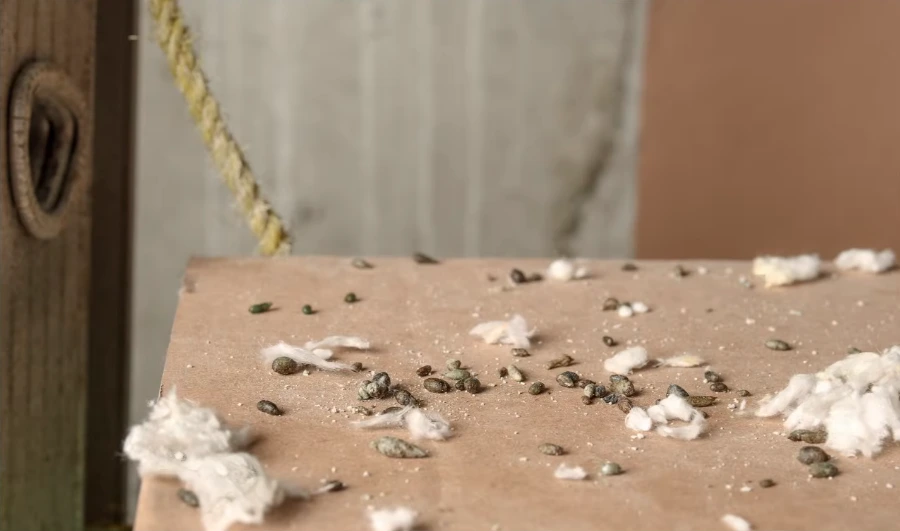 Rodent Waste Cleanup
Why Rat Droppings and Rodent Waste Need Careful Cleanup
Rat and mouse droppings, urine, nesting material, and dead rodents can contaminate areas where rodents have been active. The issue is not simply whether the waste is visible. Disturbing dry waste can put contaminated particles into the air, creating an avoidable exposure risk.
The Centers for Disease Control and Prevention (CDC) advises people not to sweep or vacuum rodent droppings, urine, or nesting materials. Its cleanup guidance recommends using an appropriate disinfectant and following the product’s instructions before removing waste.
Rodent waste may be found in:
- Attics and attic insulation.
- Areas around stored belongings.
- Garages and storage spaces.
- Cabinets or other sheltered indoor spaces.
- Areas where rodents have nested or travelled.
If you find droppings in an attic, avoid disturbing the affected insulation or materials. The appropriate cleanup depends on the surface, extent of contamination, and accessibility of the area.
Rat Droppings Cleanup in Houston
Rat droppings cleanup focuses on safely removing visible rat waste and addressing the affected area. The exact work depends on where the droppings are located, how much waste is present, and whether urine, nesting material, or other contamination is also found.
A cleanup assessment may consider:
- The location and extent of visible droppings.
- Whether urine or nesting material is present.
- Whether the waste is on a hard surface or porous material.
- Whether the area can be accessed safely.
- Whether there are signs of live rodents.
- Whether insulation or other materials may need separate handling.
What Is Included in a Rat Droppings Removal Service?
The scope should be confirmed before work begins. Depending on the provider and property conditions, an agreed service may include:
- Assessing the affected area.
- Identifying visible rodent waste and contaminated surfaces.
- Using appropriate precautions and cleaning procedures.
- Removing agreed waste and affected materials.
- Cleaning or disinfecting suitable surfaces where included.
- Explaining whether additional work is needed.
Do not assume that every rat dropping removal service includes insulation replacement, dead rodent removal, duct cleaning, or full-property sanitation. Ask for these items to be listed separately in the written estimate.
Attic Rodent Waste Cleanup in Houston
Attics can be difficult to inspect and clean because access may be limited and rodent waste may be located around insulation, stored materials, or other hard-to-reach areas.
Attic rodent cleanup addresses rodent waste left behind after rats or mice have used the space. Depending on the condition of the attic, the affected materials may include droppings, urine, nesting material, and surfaces that require cleaning.
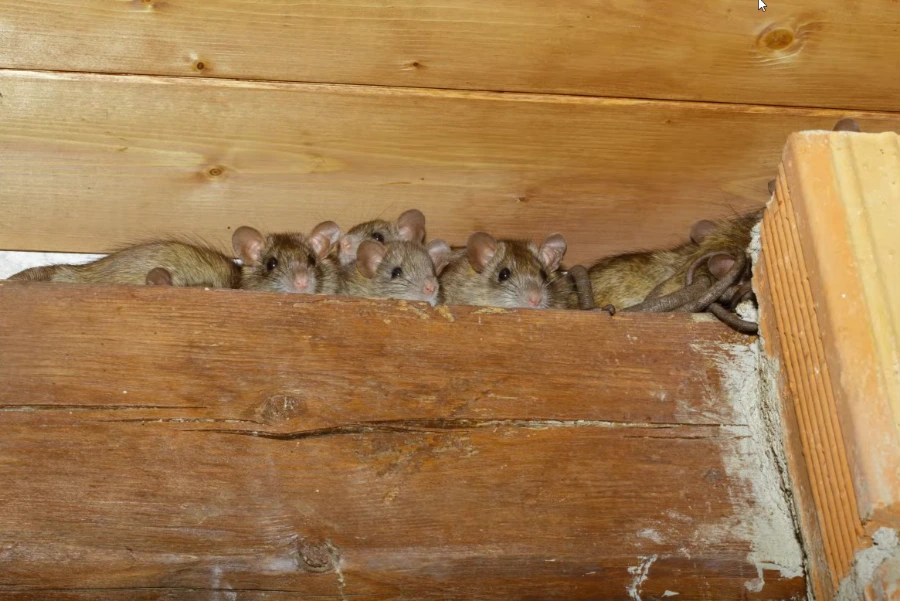
Signs that your attic may need rodent waste cleanup include:
- Rat or mouse droppings on accessible surfaces.
- Droppings scattered across or within insulation.
- Nesting material gathered in protected areas.
- Visible urine staining or signs of repeated activity.
- Persistent odours associated with rodent activity.
- Dead rodents or remains in accessible areas.
Attic Rat Cleanup After an Infestation
If rats have been active in your attic, removing the live rodents is only one part of addressing the problem. Their waste and nesting material may remain after the animals are gone.
An attic rat cleanup assessment should establish what materials are affected and what can be safely cleaned. It should also identify whether additional services are required.
For live rodents still present in the attic, see our Attic Rodent Removal in Houston page.
Rodent Waste Removal: What May Need Attention?
Rodent waste cleanup can involve more than visible droppings. Affected areas may also contain urine, nesting materials, and dead rodents.
The appropriate work depends on the material and the condition of the space.
| Material or issue | What to consider |
|---|---|
| Rat or mouse droppings | Safe handling and removal using appropriate cleanup procedures. |
| Rodent urine | Disinfection and assessment of affected surfaces. |
| Nesting material | Careful handling and removal where included in the service. |
| Dead rodents | Separate handling and disposal as part of an agreed scope. |
| Hard surfaces | Cleaning and disinfection using suitable products. |
| Insulation | Assessment to determine whether contaminated material requires removal. |
| Persistent odours | Determine whether waste, affected materials, or another source remains. |
A rodent waste removal estimate should explain which of these tasks are included and which require a separate service.
Attic Sanitation Services: Cleaning Beyond Visible Droppings
Removing visible droppings does not necessarily mean an attic is fully cleaned. Rodent activity may leave urine, nesting material, and contamination on nearby surfaces or materials.
Attic sanitation services may involve cleaning and disinfecting suitable affected surfaces after rodent waste has been addressed. The precise scope depends on the attic’s condition and the services the independent provider offers.
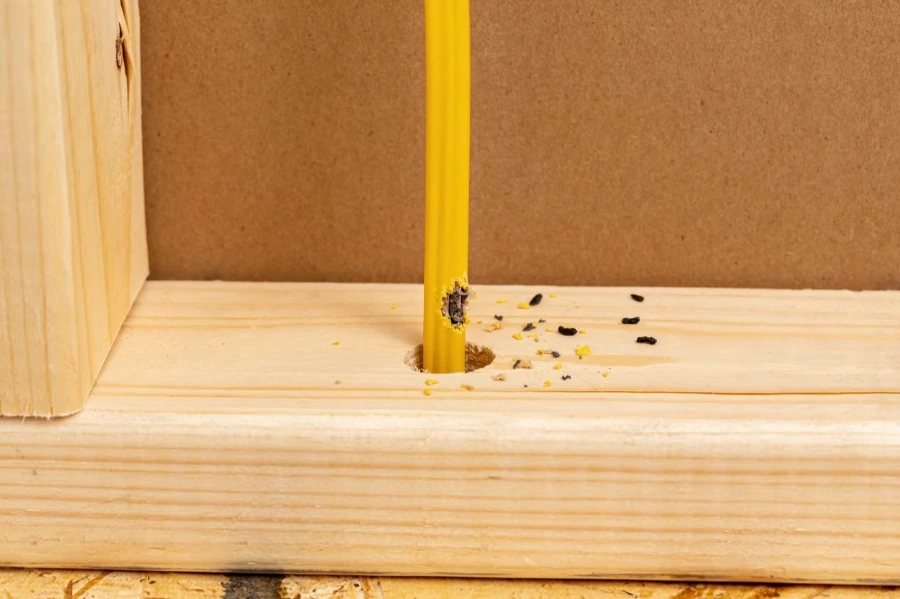
Before booking attic rodent cleaning, ask:
- Does the service include visible droppings removal?
- Is urine cleanup included?
- Are nesting materials included?
- Which surfaces will be cleaned and disinfected?
- Are odour-related services included?
- Is insulation assessment available?
- Will any materials be removed from the property?
- Is a separate specialist required for any affected area?
Sanitation should not be described as complete if contaminated materials remain outside the agreed scope.
Rat Droppings in Attic Insulation: Does It Need to Be Removed?
Finding rat droppings in attic insulation can be concerning because insulation is a porous material and may be affected by urine and nesting activity as well as visible waste.
The correct response depends on the extent and condition of the affected material. Some surfaces can be cleaned, while contaminated porous materials may require a different approach.
The CDC’s guidance says exposed insulation contaminated with rodent urine and droppings should be placed into plastic bags for removal. However, insulation removal and replacement are not automatically included in every rodent cleanup service.
If your attic insulation appears contaminated:
- Avoid disturbing or handling it unnecessarily.
- Do not dry sweep or vacuum droppings from the insulation.
- Ask the provider whether insulation assessment and removal are available.
- Confirm how affected materials will be handled and disposed of.
- Ask whether replacement insulation requires a separate contractor.
Important: This page does not promise insulation replacement. Confirm the provider’s actual service scope before arranging work.
Understanding the Importance of Rodent Droppings Cleanup
Rodent waste may remain in an attic or other sheltered area after live rodents have left or been removed. An assessment helps determine which materials and surfaces may need attention.
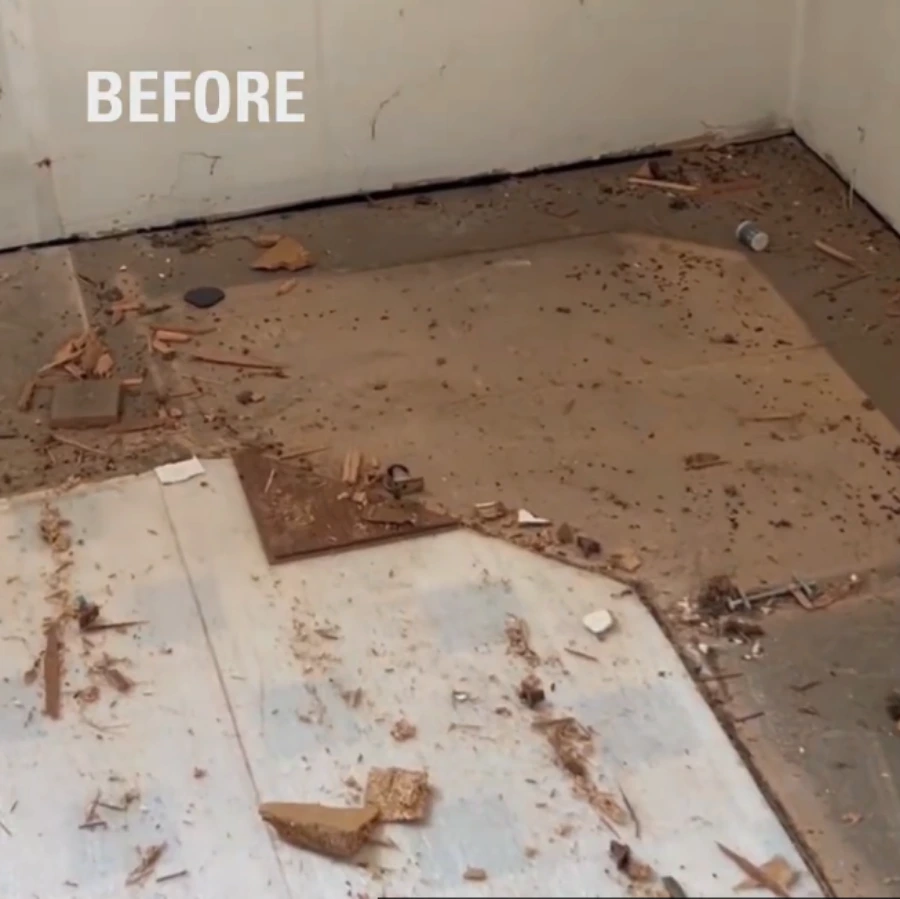
How to Clean Up Rat or Mouse Droppings Safely
People often search for how to clean up old rat droppings, how to clean up rat poop in an attic, or how to remove rat droppings from attic insulation.
The most important first step is to avoid creating dust or airborne particles by disturbing dry waste.
The CDC provides the following general guidance for cleaning up rodent waste in suitable settings:
- Do not sweep or vacuum rodent droppings, urine, or nesting material.
- Wear appropriate protective equipment, including rubber or plastic gloves.
- Use a suitable disinfectant and follow the product label’s instructions.
- Allow the disinfectant the required contact time.
- Handle and dispose of waste according to the applicable cleanup guidance.
- Wash hands thoroughly after removing gloves.
The CDC also recommends ventilating enclosed spaces before cleaning, where appropriate. Its guidance includes additional precautions for heavy rodent infestations.
How to Clean Up Old Rat Droppings
Old droppings should not be assumed to be harmless simply because they are dry or have been present for a long time. Dry waste can be disturbed and become airborne.
Avoid sweeping, brushing, or vacuuming old droppings. If the affected area is large, difficult to access, or contains contaminated insulation or nesting material, seek an appropriate cleanup assessment instead of disturbing it.
How to Clean Up Rat Droppings in an Attic
Attics can present additional challenges because of limited access, insulation, low clearance, and the possibility of contamination across a larger area.
Before attempting any work, consider:
- Whether the attic can be accessed safely.
- Whether droppings are present on hard surfaces or within insulation.
- Whether urine or nesting materials are also present.
- Whether there are signs of active rodents.
- Whether the work requires specialist equipment or additional protective measures.
Do not enter or disturb a heavily contaminated attic simply to remove visible droppings. Ask a qualified provider to assess the situation and explain the appropriate scope.
How to Clean Up Mouse Droppings in an Attic
Mouse droppings require the same basic caution as rat droppings. Do not dry sweep or vacuum them. The cleanup approach should account for the affected surface, surrounding material, and extent of activity.
If droppings are mixed with nesting material or insulation, ask whether the provider can assess and handle those materials as part of the service.
For detailed public health guidance, consult the CDC’s resource:
CDC: How to Clean Up After Rodents
What About Rat Droppings in Air Ducts or Crawl Spaces?
Rodent waste in air ducts and crawl spaces can require specialist attention. These areas should not automatically be treated as part of a standard attic cleanup.
Rat Droppings in Air Ducts
If you suspect rat droppings in air ducts, avoid disturbing the duct system or attempting to clean inside it yourself.
The CDC advises contacting a professional rodent-control service if rodents have accessed heating and cooling ventilation systems. It also notes that duct-cleaning specialists are familiar with the associated risks.
Before arranging a service, confirm whether the provider can assess the rodent issue and whether a qualified HVAC or duct-cleaning specialist is required.
Rat Droppings in a Crawl Space
If you find rat droppings in a crawl space, the area may need a separate inspection. Access, ventilation, moisture, and the materials present can affect the work required.
Ask the provider whether crawl-space assessment and cleanup are available. Do not assume that an attic sanitation quote includes crawl-space work.
This website does not claim that air-duct cleaning is included in its rodent cleanup service.
Rodent Cleanup Cost in Houston, TX
The rodent cleanup cost depends on the amount of waste, the location of contamination, accessibility, and the work included in the estimate.
A small, accessible area with limited droppings may require a different scope from an attic with widespread contamination, affected insulation, nesting material, or dead rodents.
Factors that may affect the price include:
- Size of the affected area: The amount of space requiring assessment and cleaning.
- Extent of contamination: The quantity and distribution of droppings, urine, and nesting material.
- Location: An attic, garage, crawl space, or other area may require different access arrangements.
- Material type: Hard surfaces and porous materials may require different handling.
- Insulation condition: Assessment or removal of contaminated insulation may be an additional service.
- Dead rodent removal: Handling and disposal may be priced separately.
- Sanitation requirements: Cleaning and disinfecting affected surfaces may change the scope.
- Specialist services: HVAC duct cleaning or crawl-space work may require a separate provider.
How Much Does Rat Droppings Cleanup Cost?
There is no single reliable price for every Houston property. The rat droppings cleanup cost and rodent clean up services cost should be based on the actual conditions and the agreed scope.
When requesting a quote, ask:
- Is there an inspection fee?
- Does the estimate cover the entire affected area?
- Are droppings, urine, and nesting materials included?
- Is disinfection included?
- Is contaminated insulation removal included?
- Are dead rodents included?
- Are disposal costs included?
- Are follow-up visits or additional services charged separately?
A written estimate should make clear what the rodent droppings cleanup service cost covers. Compare the work included, not just the final price.
How to Choose a Rodent Cleanup Service in Houston
When searching for rodent cleanup near you, it is important to understand who will carry out the work and what their service actually includes.
Before hiring a provider, consider these points:
- Check relevant credentials: Ask for applicable licences or qualifications for the work being performed. Texas regulates structural pest-control work, including covered rat and mouse inspection and control activities.
- Ask about cleanup experience: Confirm whether the provider handles attic rodent waste and contaminated materials.
- Request a written scope: Make sure the estimate separates droppings removal, sanitation, insulation work, and specialist services.
- Discuss safety procedures: Ask how the provider plans to handle waste and affected materials.
- Confirm disposal arrangements: Find out what happens to removed waste and materials.
- Clarify exclusions: Ask whether duct cleaning, crawl-space cleanup, or insulation replacement requires another contractor.
- Understand the price: Confirm inspection fees, included work, and possible additional charges before approving the service.
You can use the Texas Department of Agriculture’s Structural Pest Control Licensing information to learn about licensing requirements and verify relevant credentials:
Texas Department of Agriculture — Structural Pest Control Licensing
Droppings are a health question as well as a cleaning one. This overview of diseases from mouse and rat droppings explains the risks, this step-by-step attic cleanup guide follows CDC-style precautions, and our homeowner overview of hantavirus and rodent exposure covers one specific risk in plain language.
For the full picture, see our hantavirus guide and the rodent diseases hub.
Frequently Asked Questions About Rat Droppings Cleanup
How do I clean up rat droppings safely?
Do not sweep or vacuum dry droppings. The CDC recommends using appropriate protective equipment and disinfecting rodent waste according to its cleanup guidance and the product label. Large or difficult-to-access contaminated areas may require professional assessment.
Can I vacuum rat droppings in my attic?
No. The CDC advises against vacuuming or sweeping rodent droppings, urine, and nesting materials because doing so can put contaminated particles into the air.
How do I clean up old rat droppings?
Old droppings should not be disturbed while dry. Avoid sweeping, brushing, or vacuuming them. Follow appropriate disinfection and cleanup guidance, and seek professional help if the area is extensive or difficult to access.
Does rat droppings cleanup include attic insulation removal?
Not automatically. Insulation assessment or removal may be a separate service. Ask the provider whether contaminated insulation can be handled and whether replacement is available through another contractor.
Does attic sanitation remove rodent odours?
Cleaning and disinfecting affected surfaces may help address some sources of odour, but the result depends on the source and extent of contamination. Persistent smells may indicate remaining waste, affected materials, or a dead rodent. Ask what odour-related work is actually included.
What is the difference between rodent removal and rodent cleanup?
Rodent removal focuses on getting live rats or mice out of the property. Rodent cleanup focuses on droppings, urine, nesting material, dead rodents, and affected surfaces left behind. A property may need both services.
Does rodent cleanup include dead rat removal?
It depends on the provider’s agreed scope. Ask whether locating, handling, removing, and disposing of dead rodents are included in the estimate.
Can rat droppings in air ducts be cleaned as part of attic sanitation?
Not necessarily. Air ducts may require a qualified duct-cleaning or HVAC specialist. The CDC advises professional attention when rodents have accessed heating and cooling ventilation systems.
Can you clean rat droppings from a crawl space?
Crawl-space cleanup depends on the provider’s available services, access, and the condition of the area. Confirm this separately rather than assuming it is included in an attic cleanup visit.
How much does rodent droppings cleanup cost in Houston?
The price depends on the affected area, extent of contamination, accessibility, and whether sanitation, insulation handling, or other services are included. Request a written estimate based on the actual conditions.
Should I clean rodent droppings before the rats are removed?
If live rodents are still present, the cleanup plan should account for continuing activity. Ask the provider whether rodent removal should take place before cleanup and whether entry points need separate exclusion work.
See how rodent exclusion and proofing works.
Explore the other rodent control services available in Houston.
Need Rat Droppings Cleanup or Attic Sanitation in Houston?
Finding rat droppings, urine, nesting material, or contaminated insulation can raise questions about safety and the work needed to clean the affected area.
Rodent Control Houston connects property owners with independent service providers for rodent-related assistance. Contact us to discuss what you have found and ask about arranging an appropriate cleanup assessment.
Inspection, rodent waste removal, sanitation, insulation handling, and specialist services depend on provider availability, qualifications, inspection findings, and the agreed scope of work.