
ATTIC RODENT REMOVAL IN HOUSTON
Attic Rodent Removal in Houston, TX
Hearing scratching, scurrying, or movement above your ceiling? Finding droppings or damaged insulation in the attic? These signs may indicate that rats or mice have entered your attic and are using it as a nesting or travel area.
Attic rodent removal in Houston starts with identifying the animal, checking where activity is occurring, and determining an appropriate removal plan. The right approach depends on whether the problem involves rats, mice, how accessible the attic is, and whether there are signs of continuing activity.
Rodent Control Houston connects property owners with independent service providers for rodent-related assistance. When you contact us, we can help direct your enquiry to an appropriate provider. The provider must confirm the inspection, available removal methods, service scope, and price.
Concerned about rodents in your attic?
Call (713) 429-1842 or email hello@rodentcontrolinhouston.com to discuss your situation.
Why Rodents in Your Attic Should Be Addressed
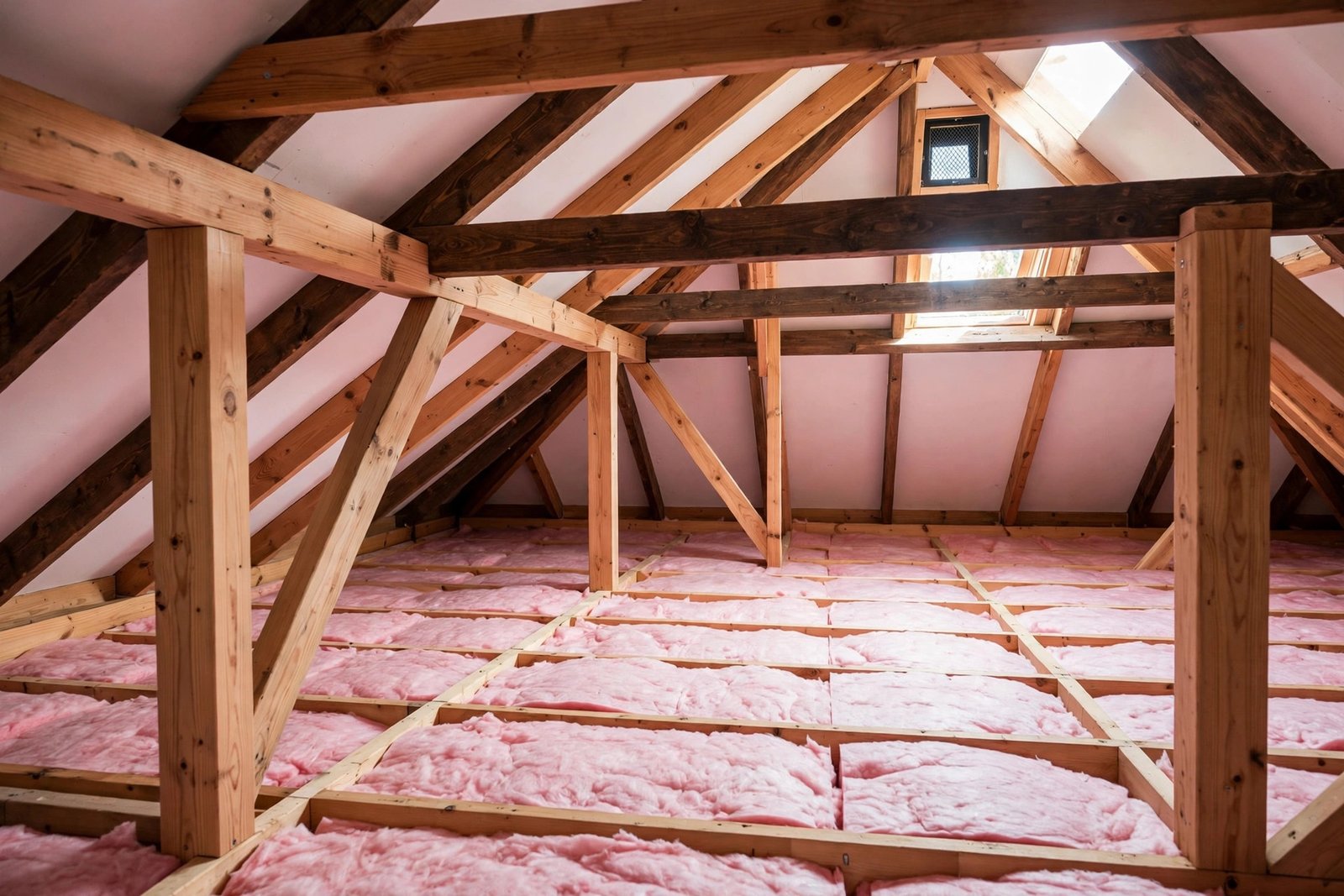
An attic can provide rodents with sheltered areas where they may move, hide, and nest without being seen regularly. Roof rats are particularly associated with elevated nesting locations, including attics and spaces within walls. Mice can also establish nests in protected areas of a building.
See our roof rats guide for identification and habits.
Rodents may damage materials while moving through an attic. Their activity can also leave droppings, urine, nesting materials, and unpleasant odours behind. If you hear repeated noises or find fresh signs, an inspection can help establish whether rodents are still present.
Removing live rodents does not automatically clean contaminated insulation or resolve every possible entry point.
A removal plan should consider two separate questions:
Are live rodents still using the attic?
This is the focus of attic rodent removal.
Has rodent activity left contaminated materials behind?
This may require a separate attic cleanup and sanitation service.
Signs You May Have Rats or Mice in Your Attic
Rodents are often more active after dark, so you may hear them when the house is quiet. Other signs can be visible during an attic inspection.
Look for:
Scratching or scurrying sounds
Repeated movement above ceilings or around attic spaces.
Droppings
Small, dark droppings on attic surfaces, insulation, or near stored items.
Gnaw marks
Chewed materials, wiring coverings, wood, or other accessible objects.
Nesting materials
Shredded paper, insulation, fabric, or other material gathered in a protected area.
Greasy marks or travel routes
Rodents may leave smears where their bodies repeatedly contact surfaces.
Unusual odours
A persistent smell may be associated with rodent activity, urine, nesting, or a dead animal.
One sign alone does not confirm the species or size of an infestation. A proper assessment should consider the location, quantity, freshness, and pattern of the evidence.
Rat Removal from Attics in Houston
Rats can use rooflines, elevated openings, and protected structural spaces to reach attic areas. Texas A&M AgriLife Extension identifies roof rats as a species that commonly nests in elevated locations such as attics and double walls.
Rat removal from an attic should begin with an assessment of the signs and the areas where activity is suspected. The provider can then explain which removal options are appropriate for the property.
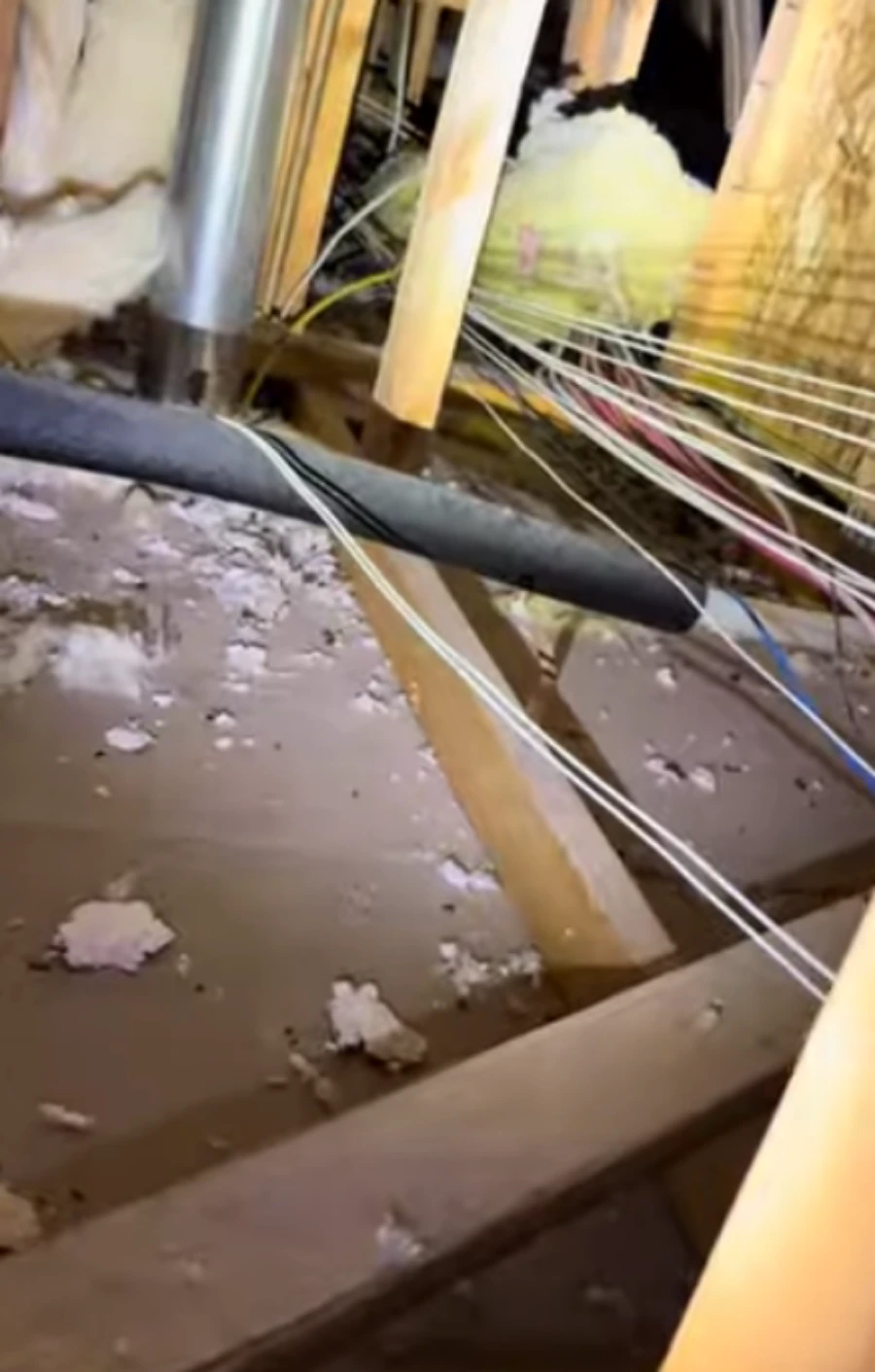
An attic rat assessment may consider:
- Where scratching or movement has been heard.
- Whether droppings or nesting material are present.
- Whether there are signs of recent or continuing activity.
- Whether the attic can be accessed safely.
- Whether suspected entry points need a separate exclusion assessment.
- Whether contaminated insulation or other materials require separate cleanup.
How Much Does Rat Removal from an Attic Cost?
The rat removal attic cost depends on the conditions found during the inspection. A small, accessible attic with limited signs may require a different scope of work from a larger attic with widespread activity or difficult access.
Ask the provider to explain whether the estimate includes:
- Inspection and identification.
- Removal methods and equipment.
- Trap placement or monitoring, if applicable.
- Follow-up visits, if required.
- Entry-point repairs or exclusion work.
- Droppings removal, insulation work, or sanitation.
These items may be quoted separately. Do not assume that an attic rodent removal quote includes cleanup, insulation replacement, or proofing unless the written scope specifically says so.
Mice Removal from Attics
Mice can also enter attic spaces and use protected areas for nesting. Their smaller size can make activity difficult to notice until droppings, nesting material, or repeated sounds are discovered.
Mice removal from an attic should be based on the signs found and the location of suspected activity. A provider may need to assess accessible attic areas and nearby structural spaces to understand where mice are travelling.
An assessment may look for:
- Small droppings around suspected nesting or travel areas.
- Shredded insulation, paper, or other nesting material.
- Gnawing on accessible materials.
- Signs of movement near roof or ceiling spaces.
- Possible access routes that need separate proofing.
If you are searching for mice removal in an attic, explain what you have noticed when requesting help. Mention whether you hear movement at night, have found droppings, or have seen damaged insulation. These details can help the provider understand the issue before arranging an inspection.
Attic Rodent Inspection: What Should Be Checked?
An attic rodent inspection helps establish whether the signs are consistent with rat or mouse activity and what kind of work may be needed.
Depending on access and the agreed inspection scope, a provider may assess:
- 1Visible signs of activity: Droppings, nesting material, gnaw marks, and possible travel routes.
- 2Likely nesting areas: Protected corners, stored materials, insulation, and other accessible spaces.
- 3Attic access and condition: Whether the area can be inspected safely and adequately.
- 4Possible entry locations: Roofline gaps, vents, openings, or other areas that may need further assessment.
- 5Related contamination: Whether droppings, urine, dead rodents, or affected insulation appear to require a separate cleanup service.
If the problem is a dead rodent in the attic, that guide explains the odor and cleanup considerations.
What Is the Cost of a Rodent Inspection?
The rodent inspection cost can depend on the property, attic accessibility, inspection requirements, and whether the provider charges separately for an assessment.
Before arranging an appointment, ask:
- Is the inspection free or paid?
- Does the inspection include the attic only or other areas?
- Will the provider explain the findings?
- Will you receive a written estimate before work begins?
- Are follow-up inspections charged separately?
The inspection fee and any removal estimate should be confirmed directly with the independent provider.
Rat Droppings in the Attic: What Should You Do?
Finding rat droppings in an attic may indicate current or previous rodent activity. Droppings can be found on accessible surfaces, around stored belongings, or within insulation. Their presence does not automatically establish whether rodents are still living in the attic.
If you find rat droppings in attic insulation, avoid disturbing the material. Do not sweep or vacuum rodent droppings, urine, or nesting materials. The CDC warns that these actions can put contaminated particles into the air.
Instead:
- 1Keep children and pets away from the affected area.
- 2Avoid handling droppings or contaminated insulation without appropriate precautions.
- 3Do not use an ordinary household vacuum to remove rodent waste.
- 4Arrange an assessment if there are signs of active rodents or widespread contamination.
- 5Ask whether cleanup and insulation removal are included or require a separate service.
Important: Live rodent removal and attic contamination cleanup are different tasks. If you need droppings removal, contaminated insulation handling, or sanitation, visit our Attic Rodent Cleanup in Houston page.
What About Rat Droppings in Air Ducts or Crawl Spaces?
Rodent signs near air ducts or in crawl spaces may require a different inspection from a standard attic assessment.
Rat droppings in air ducts
If you suspect rat droppings in air ducts, do not assume that an attic removal visit includes duct inspection or HVAC cleaning. Ask the provider whether duct-related assessment is within their scope and whether a qualified HVAC professional is needed.
Rat droppings in a crawl space
Similarly, rat droppings in a crawl space may require access and inspection arrangements that differ from attic work. Confirm whether the provider handles crawl spaces before booking.
This page focuses on attic rodent removal. Duct cleaning, HVAC work, crawl-space remediation, and contaminated-material removal should only be included in a quote when the relevant provider confirms that those services are available.
Attic Rodent Removal, Cleanup, and Rodent Proofing: What Is the Difference?
These services address different parts of a rodent problem. Understanding the distinction helps you request the right work and compare estimates accurately.
| Service | Main purpose |
|---|---|
| Attic rodent removal | Locate and remove live rats or mice from the attic. |
| Attic rodent cleanup | Address droppings, urine, nesting material, dead rodents, and contaminated materials. |
| Attic insulation cleanup or replacement | Assess and handle insulation affected by rodent activity, where included in the service scope. |
| Rodent exclusion and proofing | Identify and close suitable entry points to reduce the chance of rodents entering again. |
A property may need more than one of these services. However, they should not be treated as automatically included in a basic removal estimate.
For related assistance, explore:
Attic Rodent Cleanup in Houston
Rodent Exclusion and Proofing in Houston
Attic Rodent Removal Cost in Houston, TX
The attic rodent removal cost varies from property to property. There is no reliable single price that applies to every Houston attic because the work depends on the type of rodent, the level of activity, accessibility, and the services included in the estimate.
Factors that may affect the total cost include:
- Rodent type: The provider may need to identify whether the signs are from rats or mice.
- Extent of activity: The number and distribution of signs can affect the inspection and removal plan.
- Attic accessibility: Limited access, low clearance, or difficult working conditions may affect the scope.
- Removal method: Equipment, placement, monitoring, and follow-up requirements can differ.
- Inspection requirements: Some properties may require a broader assessment to understand where rodents are travelling.
- Cleanup needs: Droppings, urine, dead rodents, and contaminated insulation may require additional work.
- Exclusion work: Closing entry points is a separate scope unless specifically included in the quote.
How to Compare Attic Rodent Removal Estimates
When comparing quotes for rodent removal attic cost or attic rodent removal cost, look beyond the total amount.
Ask each provider:
- What areas will be inspected?
- What evidence supports the proposed removal plan?
- Which removal methods are included?
- Are traps or other equipment monitored, and how often?
- Are follow-up visits included?
- Is cleanup included, or will it be quoted separately?
- Does the price include sealing entry points?
- Are there additional charges if more activity is discovered?
A clear written estimate helps you understand what you are paying for and reduces the chance of unexpected additional work.
How to Choose an Attic Rodent Removal Provider
Choosing a provider involves more than finding someone who advertises attic rodent removal near you. You should understand who will perform the work, what their qualifications are, and what the service includes.
Before agreeing to a service, consider the following:
- Verify credentials: Ask for the relevant Texas structural pest-control business and individual credentials when the work requires them. You can use the Texas Department of Agriculture’s licensing resources to check.
- Ask about attic experience: Find out whether the provider handles rat and mouse activity in attic spaces.
- Request a clear scope: The estimate should distinguish removal from cleanup, insulation work, and exclusion.
- Understand the methods: Ask how the provider plans to address the activity and whether monitoring or follow-up is needed.
- Discuss household safety: Tell the provider about children, pets, stored belongings, and any access restrictions.
- Get the price in writing: Confirm inspection charges, included services, and possible additional costs before work starts.
The Texas Department of Agriculture recommends checking an applicator’s credentials, references, and estimates before hiring a pest-control provider.
Hearing activity overhead after dark? This guide to scratching noises in the attic at night helps you judge what you are hearing. For roof rats, this article explains how roof rats get into attics, and if you have found nesting material, this guide to a rat nest in the attic explains the next steps.
Frequently Asked Questions About Attic Rodent Removal
How do I know if I have rats or mice in my attic?
Scratching sounds, droppings, nesting material, and gnaw marks can indicate rodent activity. However, these signs do not always identify the species. An inspection can help distinguish possible rat activity from mice and determine the extent of the problem.
Can rats live in an attic?
Yes. Roof rats commonly use elevated areas, including attics and double walls, as nesting locations. An inspection can help determine whether the signs in your attic are consistent with roof rat activity.
Can mice nest in attic insulation?
Mice can use sheltered materials and protected spaces for nesting. If you find signs of mice or nesting material in insulation, avoid disturbing the affected area and arrange an appropriate assessment.
How are rodents removed from an attic?
The approach depends on the rodent, the attic layout, access, and the signs found. A provider should explain the proposed removal method, equipment, monitoring arrangements, and whether follow-up visits are needed.
Does attic rodent removal include droppings cleanup?
Not necessarily. Removing live rodents and cleaning rodent waste are separate tasks. Ask whether the estimate includes droppings, nesting-material removal, contaminated insulation handling, and sanitation. You can also visit our attic cleanup service page.
How much does attic rodent removal cost in Houston?
The cost depends on the type and extent of rodent activity, attic accessibility, removal method, and any additional work. Request an inspection and a written estimate that explains what is included.
Should I vacuum rat droppings in my attic?
No. The CDC advises against sweeping or vacuuming rodent droppings, urine, or nesting materials because this can put contaminated particles into the air. Follow appropriate cleanup guidance and seek professional help when contamination is extensive.
Does rodent removal also seal attic entry points?
Not automatically. Removal and exclusion are different services. Ask whether the provider includes entry-point repairs or whether you need a separate rodent exclusion and proofing service.
Can a provider inspect rat droppings in air ducts or a crawl space?
That depends on the provider’s service scope and qualifications. Confirm whether those areas can be assessed before arranging the appointment. HVAC duct cleaning or crawl-space remediation may require a separate specialist.
Is an attic rodent inspection free?
Inspection charges vary by provider. Ask whether the inspection is free or paid, which areas are included, and whether the cost is credited toward removal work.
Browse the full range of rodent control services in Houston.
Need Help With Rodents in Your Houston Attic?
If you are hearing scratching above the ceiling, finding droppings in the attic, or suspect rats or mice are nesting in your roof space, the next step is to understand what is happening and what work may be required.
Rodent Control Houston connects property owners with independent service providers. Contact us to discuss your attic rodent concern and ask about the next steps for arranging assistance.
Removal, inspection, cleanup, and exclusion services are subject to the independent provider’s availability, qualifications, inspection findings, and agreed scope of work.