
Home›Rodent Control Richmond, TX
RICHMOND, TEXAS
Rodent Control in Richmond, TX
Rodent activity can be difficult to assess when the signs appear in different parts of a property. You might find droppings near stored items, hear movement inside a ceiling or notice gnaw marks without seeing the animal responsible. Before choosing a treatment, it helps to understand what has been observed, where the activity may be occurring and whether potential entry points need attention.
Our guide to the signs of a rat infestation explains how to read droppings, sounds and gnaw marks.
If you hear movement in the ceiling, this guide to noises in the attic at night may help identify the cause.
If you are searching for rodent control richmond tx, this page explains the service options worth discussing, including rat removal, mouse control, rodent inspections, extermination and structural exclusion.
Our website connects visitors with independent service-provider options. We do not personally inspect properties, exterminate rodents, seal building openings or perform cleanup. You can explain your situation through our enquiry platform and ask about independent providers who may be able to assist. Coverage, availability, pricing and the exact work offered must be confirmed directly with the relevant provider.
Explore independent service-provider options. Confirm coverage and availability directly.
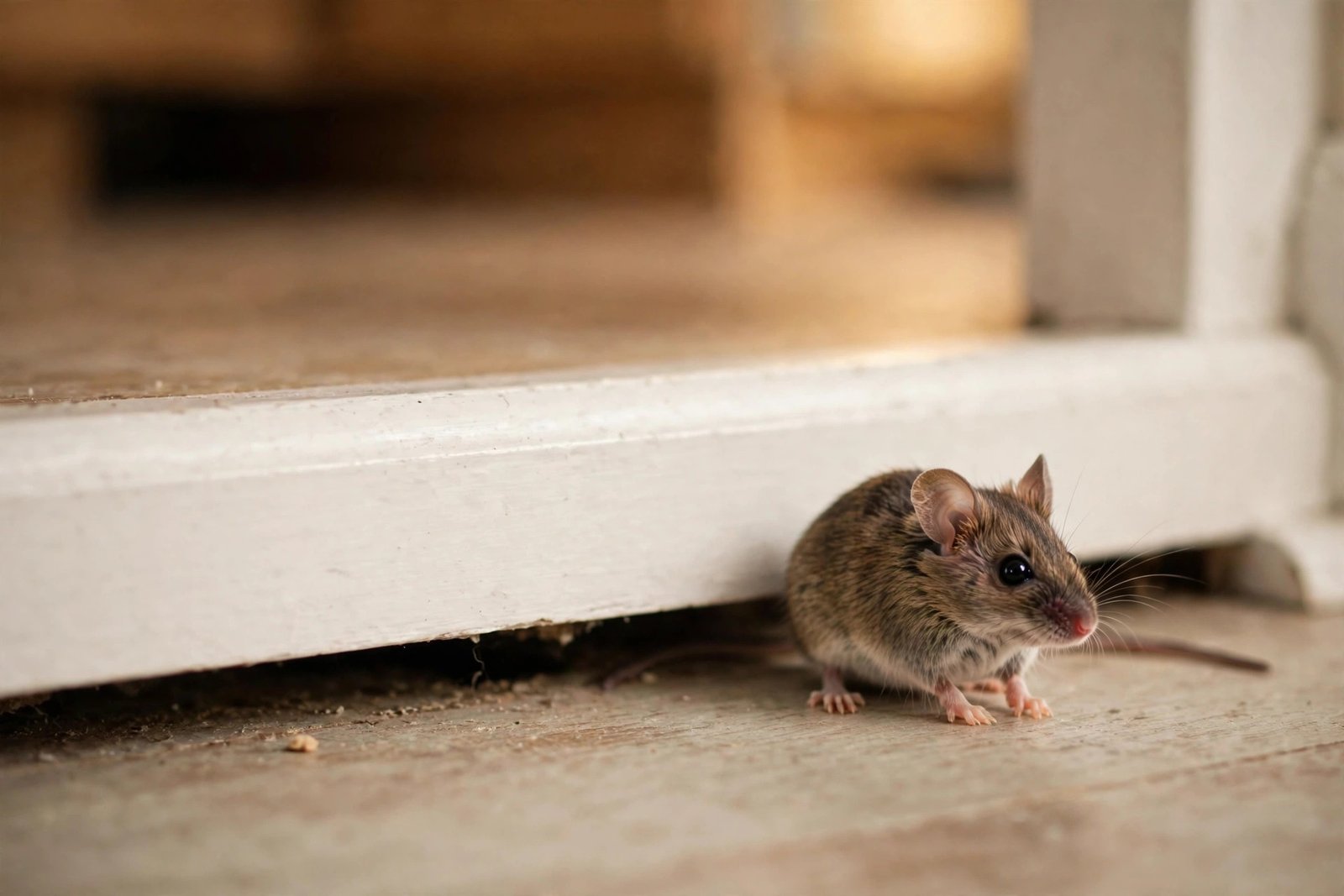
Rat & Mouse Concerns
Possible signs of rats or mice and the areas where activity may be reported.
Inspection & Treatment Questions
Questions to consider before asking about an inspection, treatment or follow-up visit.
Entry-Point & Prevention Guidance
Possible access points worth noting, and prevention steps to discuss with a provider.
Rodent Control Services for Richmond Properties
A rodent problem is not always limited to one room. Activity may be reported around food storage, garages, attics, utility areas or concealed building spaces. The appropriate response depends on the evidence and the property’s condition.
When discussing available rodent services, consider asking about:
- Assessment of reported rat or mouse activity.
- Inspection of accessible areas where signs have appeared.
- Suitable rodent treatment and control options.
- Identification of potential access points.
- Rodent exclusion and appropriate sealing or repair work.
- Prevention recommendations and follow-up options.
A useful service proposal should explain which concerns it addresses. For example, treatment may focus on existing rodent activity, while structural repairs and entry-point sealing may be separate tasks.
Before agreeing to work, confirm what is included, what requires additional arrangements and whether the provider handles your particular property type.
Understanding the Warning Signs of Rodent Activity
The first indication of rodents is often physical evidence rather than a direct sighting. Different signs can help identify which areas deserve closer attention.
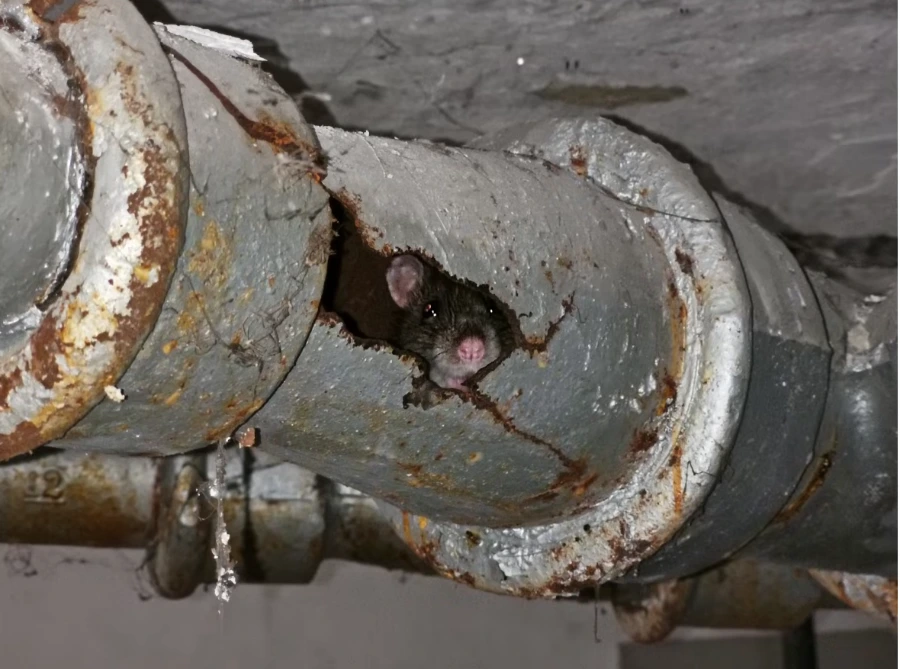
Droppings around storage and food areas
Droppings may be found near cupboards, food storage, shelving, garages or along walls. Their location can help identify areas where activity may need further assessment.
Avoid touching suspected droppings or sweeping potentially contaminated material into the air. Ask an appropriate provider about safe assessment and cleanup arrangements.
Scratching and movement inside building spaces
Scratching or scurrying sounds may be noticed above ceilings, behind walls or beneath floors. Record where the sound occurs and whether it happens repeatedly.
Sounds alone do not confirm rodents, but they can help explain why you are requesting an assessment.
Gnaw marks and damaged materials
Rodents may gnaw food packaging and other accessible materials. Look for damage around stored goods, plastic items and suitable building materials.
If possible, take photographs of visible damage without handling contaminated objects.
Nesting material and unusual odors
Shredded paper, fabric or other gathered material may indicate a possible nesting area. A persistent unusual odor in an enclosed space may also justify further investigation.
One observation does not establish the species or severity of an infestation. Consider the location and combination of signs before deciding what to ask about.
Rat Removal and Rat Control
Rats may enter buildings through suitable openings and use concealed areas for movement or shelter. Depending on the property, reported activity may involve a garage, attic, roof structure, storage space or wall void.
If you suspect rats, explain the evidence you have found rather than assuming a species based on droppings or sounds alone.
When discussing rat removal, ask the provider:
- How will the reported activity be assessed?
- Which treatment methods may be appropriate?
- Will accessible areas be checked?
- Are possible entry routes considered?
- Is exclusion included in the proposed service?
- Are follow-up visits included or arranged separately?
A clear proposal should distinguish between treatment for existing activity and work intended to reduce further access. Ask about both if your concern involves repeated signs or possible openings.
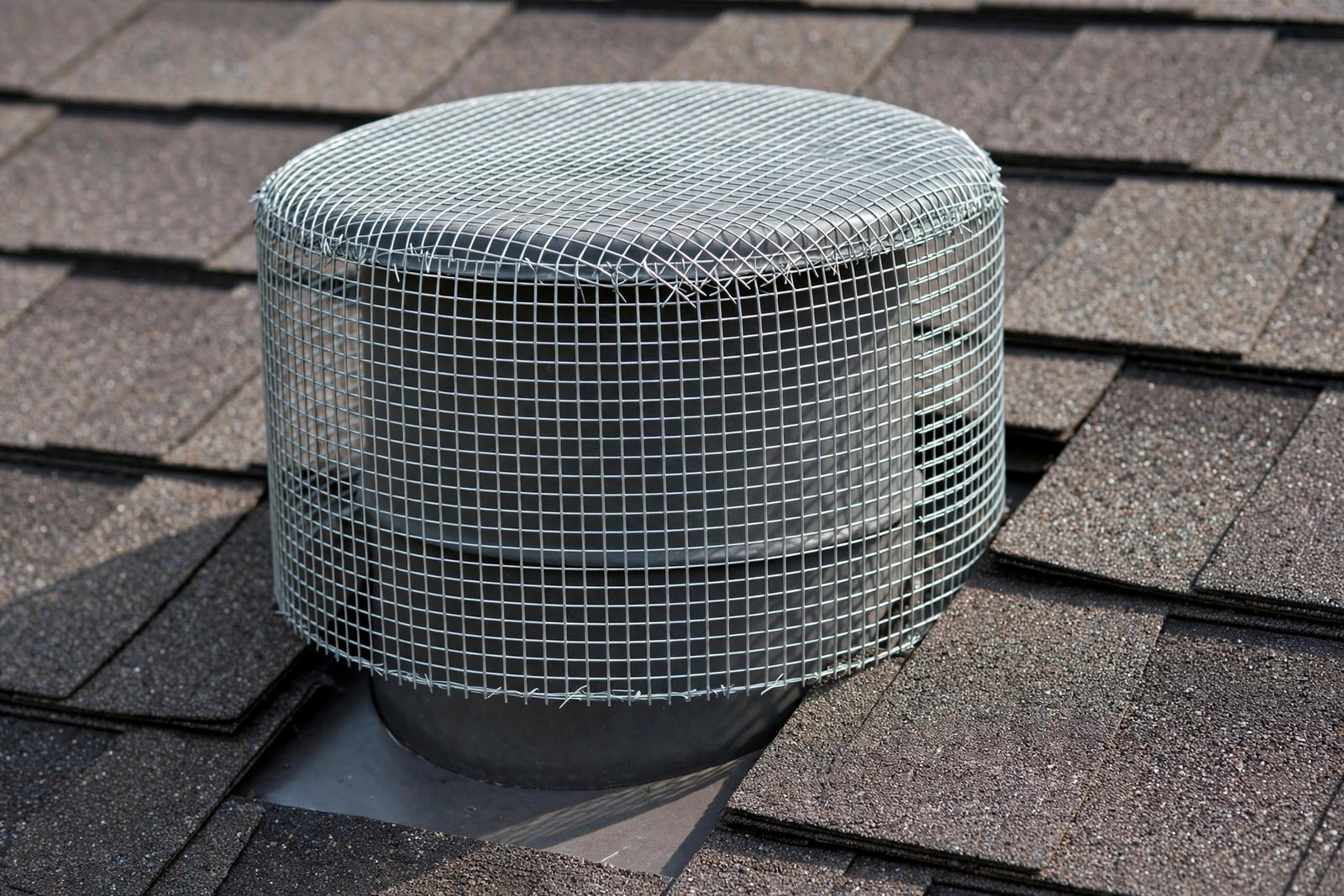
Learn more about rat removal options.
Related Houston service information — this does not confirm provider coverage in Richmond.
Mouse Removal and Mouse Control
Mice can remain concealed in cupboards, storage spaces, garages and other parts of a building. You may notice damaged packaging or droppings before seeing an animal.
When enquiring about mouse removal, explain:
- Where you have found evidence.
- Whether food or stored materials have been damaged.
- Whether droppings or nesting material are visible.
- Whether sightings are occasional or repeated.
- Whether you have noticed openings around doors, pipes or utility lines.
If you cannot distinguish a mouse from a rat, say so. Accurate identification should not be guessed from incomplete evidence.
Ask whether the provider offers mouse control, what treatment options may be suitable and whether potential access points will also be considered.
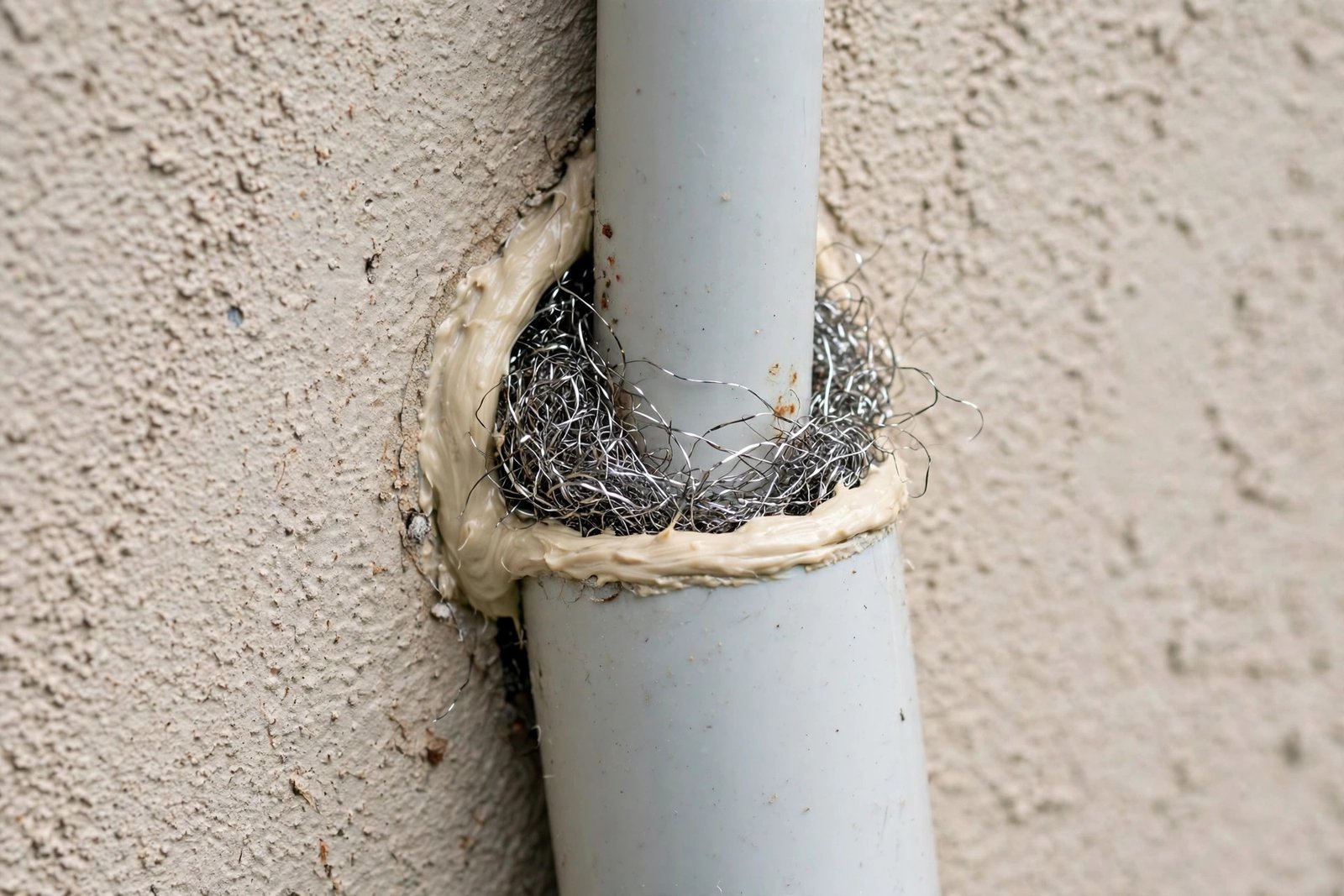
Learn more about mouse removal information.
Related Houston service information — this does not confirm provider coverage in Richmond.
Rodent Inspection: Assessing the Source of the Problem
A rodent inspection can help assess reported signs and identify areas that may require further attention. The location where evidence appears is not necessarily the location through which rodents entered.
When making an enquiry, provide these details:
- What you have observed.
- Where the evidence appears.
- When the activity first became noticeable.
- Whether signs are recurring.
- Whether an animal has been seen directly.
Attic and roof-space activity
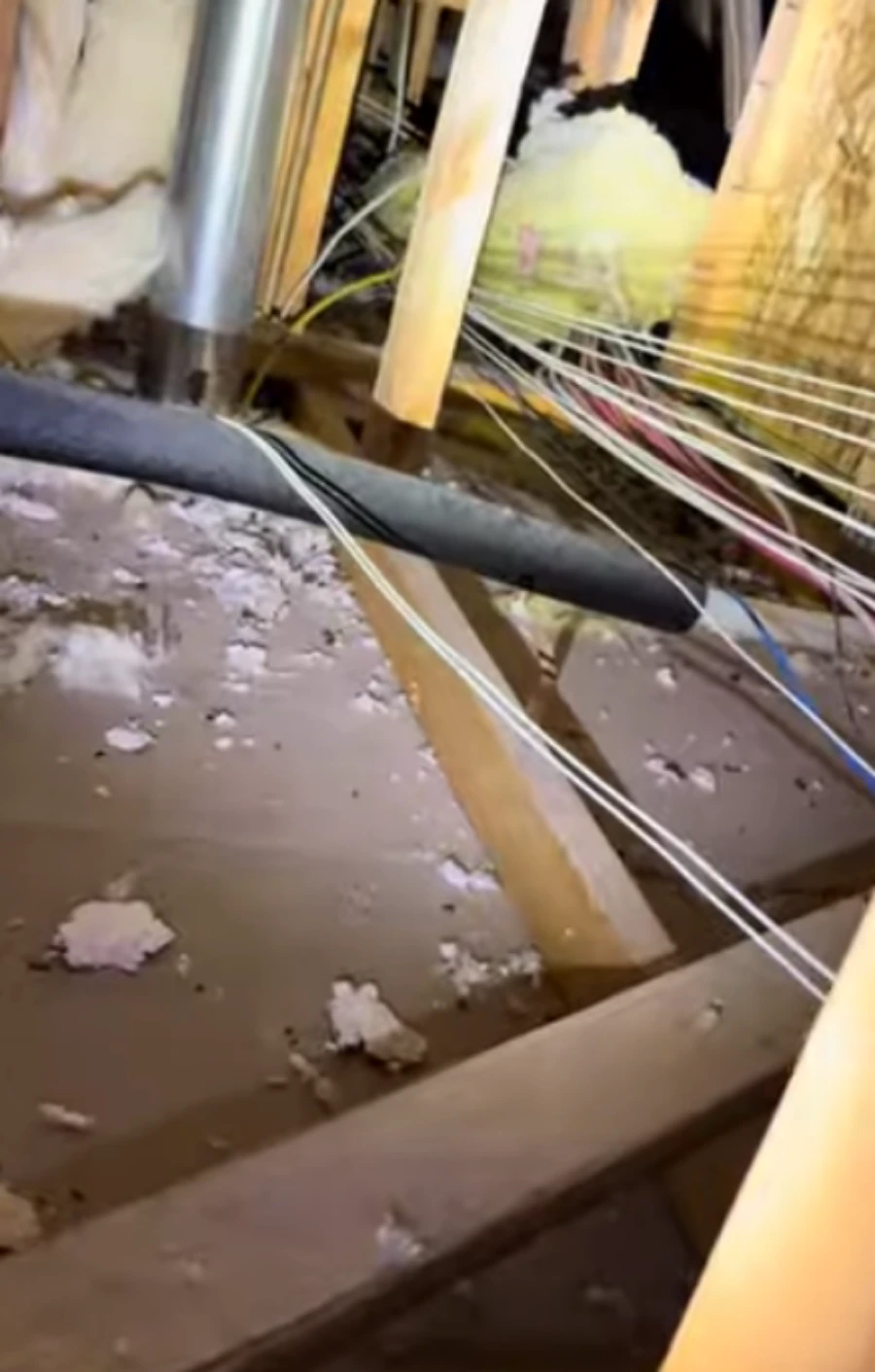
Attics may contain insulation, stored belongings and concealed structural areas. If you hear movement overhead or find signs near an attic access point, ask whether the provider offers an attic assessment.
Confirm whether accessible areas can be checked and whether reported insulation damage, nesting material or potential openings fall within the service scope.
Do not enter an unsafe attic or disturb suspected contaminated insulation.
Garage and storage-area concerns
Garages may contain stored goods, packaging, equipment and materials that make signs harder to identify. Explain whether the evidence is near a garage door, stored belongings, an adjoining wall or a utility opening.
Crawl spaces and wall voids
Movement beneath floors or inside walls can be difficult to locate without suitable access. Record where and when sounds occur and describe any other evidence.
Do not enter a confined or unsafe crawl space or open walls to investigate. Ask what areas the provider can assess safely and whether special access arrangements are required.
Rodent Extermination and Treatment Options
Rodent extermination refers to treatment intended to control or eliminate rodent activity. The appropriate approach depends on the reported problem, the property and the provider’s assessment.
Before accepting a treatment proposal, ask:
- What evidence supports the recommended treatment?
- Which rodent is the treatment intended to address?
- Which areas will be treated?
- Are preparation instructions required?
- Are precautions necessary for children or pets?
- Is monitoring or follow-up recommended?
- Are exclusion and repairs included or quoted separately?
A responsible proposal should explain the work and its limitations. Be cautious of unsupported promises of permanent elimination or guarantees that have not been documented.
Rodent Exclusion and Structural Entry-Point Sealing
Treatment addresses rodent activity, while exclusion focuses on openings that may allow rodents to enter a building. Both may need to be discussed when a property has repeated signs or suspected access points.
Potential areas for assessment include:
- Gaps around exterior doors and windows.
- Openings around pipes, cables and utility lines.
- Damaged garage-door seals.
- Gaps around foundations and exterior walls.
- Roofline, soffit and vent openings.
- Access points around attic and crawl-space areas.
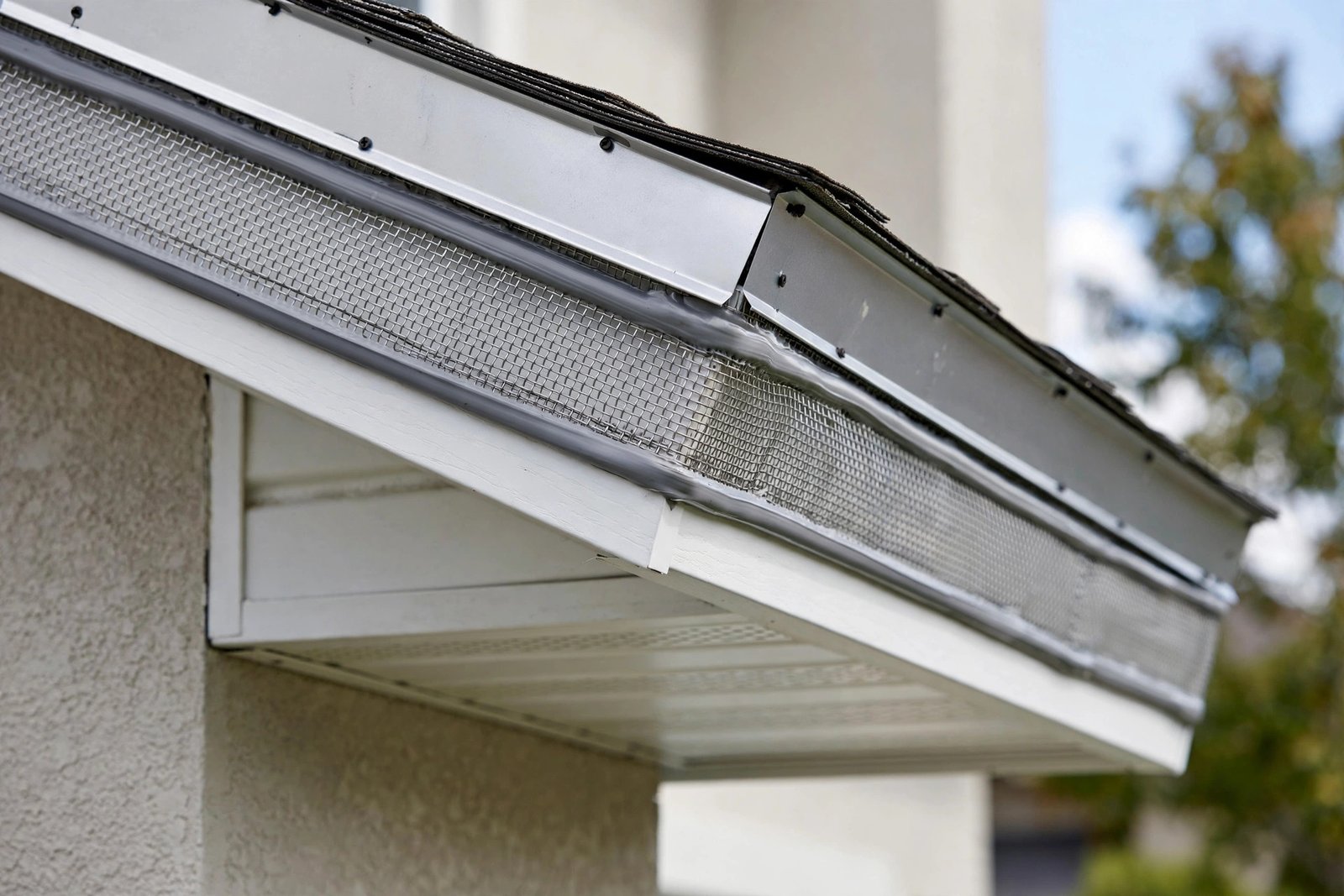
The appropriate sealing method depends on the opening, its location and the surrounding materials. Some openings are necessary for ventilation or drainage and should not simply be blocked.
Ask whether the provider’s proposal includes:
- Identification of potential entry points.
- Recommendations for suitable sealing materials.
- Repair of relevant structural openings.
- A review of remaining access concerns.
- Follow-up after exclusion work.
Confirm whether rodent proofing is part of the quoted service or requires a separate arrangement.
Learn more about rodent exclusion services.
Related Houston service information — this does not confirm provider coverage in Richmond.
Residential Rodent Control
Rodent activity in a house, apartment, townhome or rental property can affect kitchens, storage rooms, garages, attics and concealed building spaces.
A residential enquiry should explain:
- The type of property.
- Which rooms or areas show signs.
- Whether rats, mice or an unidentified animal have been observed.
- Whether activity is recent or recurring.
- Whether possible entry openings have been noticed.
Tenants should check applicable permission and access requirements before arranging work. Property owners should clarify responsibilities for shared or adjoining spaces where relevant.
Ask for a clear explanation of the proposed treatment and whether exclusion, repairs or cleanup are included.
Commercial Rodent Control

Commercial premises may have different requirements from residential buildings. Rodent activity around stored goods, food-related areas, equipment, utility spaces or access doors may affect how the service needs to be arranged.
When making a commercial enquiry, explain:
- The type of business premises.
- The areas where signs have been found.
- Whether stock, food or equipment may be affected.
- Any operating-hour or access restrictions.
- Whether structural sealing or repair work may also be needed.
Confirm that the independent provider handles your particular property type. Request a written description of the proposed work, preparation requirements, pricing and follow-up arrangements before proceeding.
Learn more about commercial rodent control in Houston.
Related Houston service information — this does not confirm provider coverage in Richmond.
Prevention and Ongoing Rodent Protection
After reported activity has been assessed, prevention focuses on reducing accessible food, shelter and potential building access routes.
Consider these practical measures:
- 1Keep food and animal feed in secure containers.
- 2Clean food residue and crumbs from preparation and storage areas.
- 3Store rubbish in suitable containers with secure lids.
- 4Avoid leaving pet food accessible for extended periods.
- 5Organize storage areas so new signs are easier to notice.
- 6Check door seals and visible openings around utility lines.
- 7Arrange suitable repairs for damaged exterior materials.
- 8Ask about monitoring or follow-up if activity continues.
These measures can help reduce conditions that may contribute to rodent activity, but they cannot guarantee that rodents will never enter a property.
If signs return after treatment, explain where and when the new evidence appeared. Ask whether another assessment or additional exclusion work may be appropriate.
What Happens After You Submit an Enquiry?
You do not need to identify the species, locate a nest or diagnose an infestation before contacting a provider. Start with the information you already have.
Step 1 — Describe the signs
Explain whether you have noticed droppings, scratching sounds, gnaw marks, unusual odors, nesting material or direct sightings.
Step 2 — Identify the affected area
Mention whether the concern involves a kitchen, garage, attic, crawl space, roofline or wall.
Step 3 — Explain your property type
Tell the provider whether the property is residential or commercial and mention any access restrictions.
Step 4 — Ask about the relevant services
Discuss inspection, rat removal, mouse control, extermination, exclusion and cleanup where applicable.
Step 5 — Confirm the service arrangement
Check coverage, availability, appointment arrangements, treatment methods, preparation instructions, pricing and follow-up requirements directly with the provider.
Submitting an enquiry does not automatically confirm a provider connection or book an inspection. The independent provider must confirm availability and agree to the proposed work.
Discuss Rodent Control Options in Richmond
Droppings, scratching sounds, gnaw marks and repeated sightings are reasons to look more closely at possible rodent activity. The first useful step is to explain what you have noticed and which parts of your property are affected.
Use our contact page to describe your concerns and ask about independent service-provider options. You can discuss whether inspection, treatment or exclusion may be appropriate and confirm whether a provider covers your property in Richmond.
Confirm provider coverage, availability, service scope and pricing before arranging work.
INTERACTIVE RODENT CONTROL TOOLS
Helpful Rodent Assessment Tools
Not sure where to start? These interactive tools can help you review possible rodent signs, entry points and cost factors before submitting an enquiry.
Rodent Problem Checker
Review possible signs of rodent activity and organize your observations.
Entry Point Checker
Review common areas where gaps or possible rodent access points may exist.
Rodent Control Cost Estimator
Organize property details and review factors that may influence the cost of potential rodent-related services.
Discuss Your Rodent Concerns in Richmond
Explain what you have noticed, identify the affected property area and ask about independent service-provider options.
Rodent Control Houston is an enquiry and connection platform. Independent providers determine their own coverage, availability, pricing and service scope. No appointment or treatment is confirmed until it is agreed directly with the provider.
Frequently Asked Questions
How can I enquire about rodent control in Richmond, TX?
Use the contact page to describe the signs you have noticed, the affected areas and your property type. You can ask about independent service-provider options. Actual Richmond coverage and availability must be confirmed directly.
What are the most common signs of rodent activity?
Common signs include droppings, gnaw marks, scratching noises, nesting material, unusual odors and repeated sightings. These signs may indicate rodent activity but do not independently confirm the species or extent of a problem.
Can I ask about both rat removal and mouse control?
Yes. Describe whether you have seen a rat, a mouse or only indirect evidence. Ask which rodents the provider handles and whether further identification is necessary.
Do rodents enter attics and garages?
Rodents may access suitable openings around rooflines, garage doors, vents, utility lines and other building features. If you notice activity in these areas, mention the exact location when enquiring.
What is included in a rodent inspection?
The scope depends on the provider and the property. Ask which reported areas can be assessed, whether potential entry points are considered and whether the provider will explain recommended next steps.
Does rodent extermination include entry-point sealing?
Not automatically. Treatment and exclusion are different parts of rodent management. Confirm whether sealing and structural repairs are included or require a separate arrangement.
Is rodent droppings cleanup included in removal services?
Not necessarily. Ask whether the provider offers droppings cleanup, attic cleanup or contaminated-material handling and what the quoted service covers.
Can rodents damage insulation or wiring?
Rodents may gnaw materials and use concealed spaces for shelter or nesting. If you suspect damage to insulation or wiring, avoid disturbing the area and ask about appropriate assessment and repair arrangements.
How much does rodent control cost in Richmond?
Pricing depends on the property, reported activity, affected areas, treatment requirements and whether exclusion or cleanup is needed. No verified Richmond-specific price list is provided here. The rodent control cost estimator can help you organize property details and review cost factors. Request a provider-specific quote and confirm what it includes.
How can I reduce the chance of rodents returning?
Secure food and rubbish, organize storage, check suitable exterior openings and arrange appropriate repairs. If activity continues, ask whether follow-up or exclusion is available. No prevention measure can guarantee that rodents will not return.
Should I open a wall if I hear scratching?
No. Avoid opening walls or entering unsafe spaces to investigate. Record the location and timing of the sound and share those observations with an appropriate provider.
Explore Other Rodent Control Locations
Explore rodent control information for other nearby communities around Houston.
Rodent Control Katy TX
Rodent control guidance for Katy properties, including signs of activity, inspection questions and prevention.
Rodent Control Humble TX
Guidance for Humble property owners exploring rodent activity, inspection questions and possible entry points.
Rodent Control Spring TX
Rodent control information for Spring properties, including signs of activity, treatment questions and prevention.
Rodent Control Pearland TX
Guidance about rodent concerns, inspection enquiries, treatment options and prevention for Pearland properties.
Rodent Control The Woodlands TX
Rodent control information for The Woodlands properties, including rodent signs, service options, inspections and prevention.
Rodent Control Cypress TX
Rodent control information for Cypress properties, including rodent activity, inspection questions, entry-point sealing and prevention.
Rodent Control League City TX
Rodent control information for League City properties, including rodent signs, inspection enquiries, treatment questions and exclusion options.
View all rodent control service areas for Houston and the surrounding communities.
Service disclosure: This website is an enquiry and connection platform. It does not personally perform rodent inspections, extermination, exclusion, building repairs or cleanup. Independent providers determine their own coverage, availability, prices and service scope. No appointment or treatment is confirmed until agreed directly with the provider.