
Home › Rodent Diseases
Public Health Guide
Rodent Diseases: Health Risks Associated with Rats and Mice
Rats and mice can carry germs that may cause illness in people. These infections are sometimes called rodent-associated or rodent-borne diseases. People may be exposed through contact with an infected animal, contaminated urine or droppings, bites or scratches, contaminated food, or insects such as fleas that have fed on infected rodents.
This article explains how diseases from mouse and rat droppings can affect people.
The health risk depends on several factors, including the rodent species, the organism involved, the type of exposure, and the surrounding conditions. Not every rat or mouse carries an infectious organism, and not every rodent dropping contains pathogens.
Some infections are associated with particular rodent species. For example, certain wild mice, especially deer mice in the United States, are important reservoirs of viruses that can cause hantavirus pulmonary syndrome. Norway rats are the primary rodent host associated with Seoul virus. Common house mice are associated with lymphocytic choriomeningitis virus (LCMV).
Understanding these differences helps property owners recognize potential exposure routes, handle rodent waste safely, and reduce conditions that allow rodents to enter buildings.
This guide explains the main infections associated with rodents, how transmission can occur, symptoms that may require medical attention, and practical ways to reduce exposure.
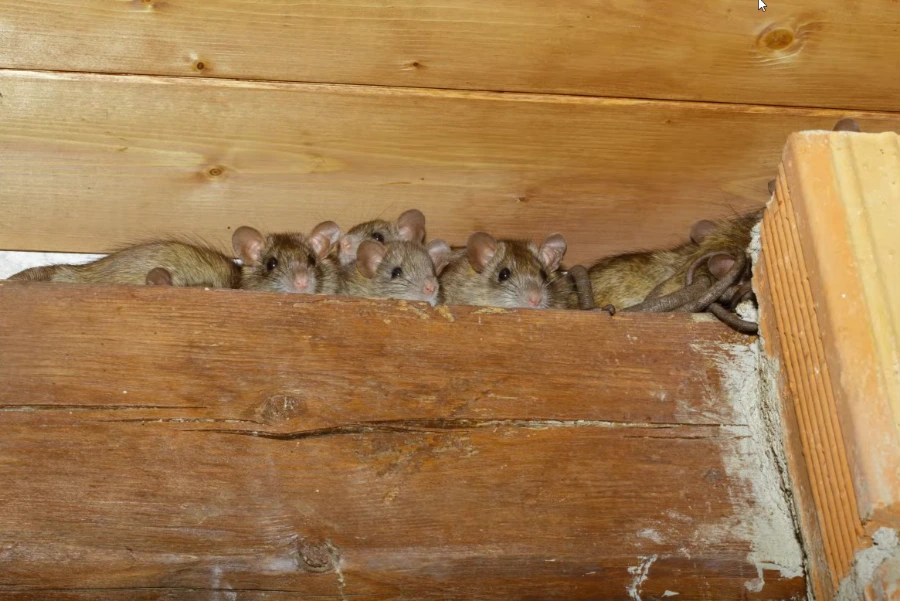
What Are Rodent-Associated Diseases?
Rodent-associated diseases are infections caused by bacteria, viruses, parasites, or other organisms that can be carried by rodents or transmitted through rodent-associated sources.
Rats and mice can carry some infectious organisms without appearing sick. They may shed germs in urine, feces, or saliva, or carry infected fleas and other parasites. A person may become exposed by handling a rodent, touching contaminated materials, consuming contaminated food or water, or breathing particles disturbed during unsafe cleanup.
The term does not mean that every illness found near a rodent was caused by that animal. Identifying a possible exposure route is different from diagnosing an infection.
How are rodent-associated infections transmitted?
There are two broad categories:
- Direct or environmental exposure: A person comes into contact with an infected rodent or material contaminated by its urine, feces, saliva, or other body fluids.
- Indirect or vector-mediated exposure: An infected flea, tick, mite, or another carrier transmits an organism associated with rodents to a person.
The transmission route depends on the specific disease. Plague, for example, is usually transmitted through infected flea bites, whereas leptospirosis is mainly associated with exposure to urine-contaminated water or soil.
What Diseases Can Rodents Carry?
Several infections have established associations with rats, mice, or other rodents. The following are relevant examples, but they do not all involve the same rodent species or transmission route.
| Disease | Main organism | Relevant rodent association | Important transmission route |
|---|---|---|---|
| Hantavirus pulmonary syndrome (HPS) | Certain hantaviruses, including Sin Nombre virus | Deer mice and certain other wild rodents | Mainly inhalation of particles contaminated by infected rodent waste or secretions |
| Seoul virus infection | Seoul orthohantavirus | Primarily Norway rats | Contact with infected rat urine, feces, or saliva |
| Leptospirosis | Leptospira bacteria | Rats, mice, and many other mammals | Contact with infected urine or contaminated water and soil |
| Salmonellosis | Salmonella bacteria | Rodents can carry and spread the bacteria | Ingestion of contaminated food or water |
| Rat-bite fever | Streptobacillus moniliformis or Spirillum minus | Rats and other rodents | Bites, scratches, saliva, urine, contaminated food, or close contact |
| Plague | Yersinia pestis | Certain wild rodent populations and their fleas | Usually bites from infected fleas; direct contact with infected animal tissue is another route |
| Lymphocytic choriomeningitis (LCM) | Lymphocytic choriomeningitis virus (LCMV) | Common house mice and some infected pet rodents | Contact with infected mouse urine, feces, saliva, blood, or nesting material |
The presence of a rodent does not establish that any particular pathogen is present. Each disease has its own host relationships and exposure conditions.
Diseases Associated with Rats
Rats are associated with several infections that can affect humans. However, the risk depends on the rat species and whether it carries the relevant organism.
Seoul virus infection
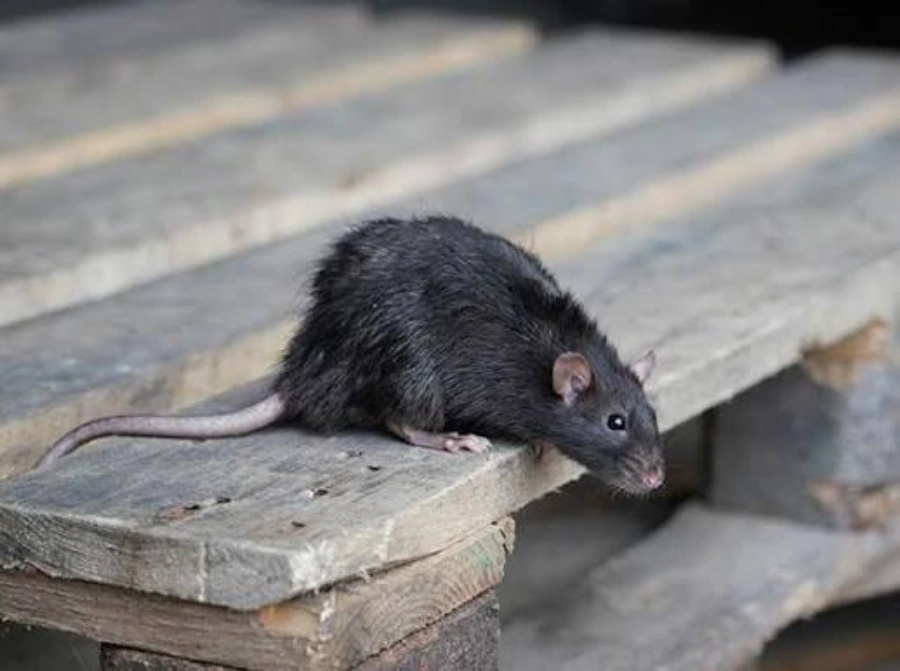
Seoul virus is a type of hantavirus carried primarily by Norway rats (Rattus norvegicus). Infected rats can shed the virus in their urine, feces, and saliva.
People may become infected through exposure to infected rats or contaminated materials. Rats can appear healthy while carrying and shedding the virus.
Seoul virus can cause hemorrhagic fever with renal syndrome (HFRS), an illness that may involve fever and kidney-related complications. It should not be confused with hantavirus pulmonary syndrome, which is associated with different hantaviruses.
The CDC identifies Norway rats as the primary host associated with Seoul virus. This is an important distinction when discussing diseases associated with roof rats and other rodents.
Leptospirosis
Leptospirosis is a bacterial infection caused by Leptospira. Rats and other mammals can carry the bacteria and shed them in urine.
People may become exposed when infected animal urine contaminates water or soil. The bacteria can enter through cuts or abrasions in the skin or through the eyes, nose, or mouth. Drinking contaminated water or direct contact with infected animal body fluids can also create exposure.
Floodwater and outdoor areas contaminated by animal urine may present exposure concerns, particularly after heavy rainfall or flooding.
Rat-bite fever
Rat-bite fever is a bacterial infection associated with bacteria that can be carried by rats and some other rodents.
Transmission may occur through:
- A bite from an infected rodent.
- A scratch that breaks the skin.
- Contact with infected saliva or urine.
- Handling contaminated materials.
- Consuming food or drinks contaminated with the bacteria.
A bite is not required in every case. People can become infected through other forms of contact with an infected rodent or contaminated material.
Fever, chills, muscle aches, headache, vomiting, and a rash may occur. Symptoms following rodent contact require prompt medical assessment.
Salmonellosis
Salmonellosis is an illness caused by Salmonella bacteria. Rodents can carry bacteria and contribute to contamination of food, food-storage areas, and surfaces.
People usually become infected by swallowing contaminated food or water. Poor food-storage conditions and contact with contaminated surfaces can create opportunities for exposure.
Common symptoms include diarrhea, fever, and abdominal cramps. Some people also experience nausea, vomiting, or headache.
Plague
Plague is caused by the bacterium Yersinia pestis. It occurs naturally in certain wild rodent populations, particularly in some regions of the western United States and other parts of the world.
The most common human transmission route is the bite of an infected flea. Direct contact with tissues or body fluids from an infected animal can also transmit the bacteria.
Plague is not accurately described as a disease that people normally catch simply by encountering an ordinary household rat. Its transmission often involves a specific wild-rodent and flea cycle.
The CDC identifies plague as a rare but persistent risk in certain western U.S. regions. It should not be presented as a routine or established Houston household exposure.
Diseases Associated with Mice
Different mouse species have different disease associations. A common house mouse should not automatically be treated as equivalent to a deer mouse or another wild rodent.
Lymphocytic choriomeningitis (LCM)
Lymphocytic choriomeningitis is a viral infection caused by lymphocytic choriomeningitis virus (LCMV). The common house mouse (Mus musculus) is an important natural reservoir.
People can be exposed through contact with fresh urine, droppings, saliva, blood, or nesting materials from infected mice.
Many healthy people who become infected have no symptoms or only mild illness. Others may develop a flu-like illness, and some cases can involve inflammation of the brain or its surrounding membranes.
LCMV is particularly important for pregnant people and individuals with weakened immune systems. Infection during pregnancy can affect the developing fetus.
Hantavirus infections associated with wild mice
Certain wild mouse species carry hantaviruses. In the United States, deer mice are the primary reservoir associated with Sin Nombre virus, which can cause hantavirus pulmonary syndrome.
Other rodents in North America may carry hantaviruses as well. The relevant species varies with the virus and its geographical range.
Exposure may occur when people breathe air contaminated by particles from infected rodent urine, feces, saliva, or nesting materials. This is one reason unsafe cleanup of rodent waste is a concern.
Important distinction: Do not assume that ordinary house mice are the main source of Sin Nombre virus or that every mouse species carries the same hantavirus. Deer mice and certain other wild rodents are the important hosts for specific North American hantaviruses.
In Texas, reported hantavirus cases are rare, according to the Texas Department of State Health Services. Rare does not mean impossible, so rodent waste should still be handled with care. For a deeper look at this virus family, see our detailed hantavirus guide.
Salmonella and other bacterial contamination
Mice can carry bacteria and contaminate surfaces, stored food, and food-preparation areas. If contaminated material reaches food or is transferred from hands to the mouth, infection may occur.
Good food hygiene, secure storage, handwashing, and safe cleanup help reduce these opportunities.
Can Rodent Droppings Spread Diseases?
Yes. Droppings from infected rodents can be involved in disease transmission, but the risk depends on the pathogen, rodent species, and exposure conditions.
Rodent feces may contain infectious organisms. Waste can also contaminate nearby surfaces, food, packaging, storage containers, and nesting materials.
What diseases are associated with mouse feces?
The main examples depend on the species:
- Hantavirus infections: Certain infected wild rodents shed hantaviruses in feces, urine, and saliva. In the United States, deer mice are the primary reservoir for Sin Nombre virus.
- LCMV: Infected common house mice can shed the virus in their urine, droppings, and other secretions.
- Salmonellosis: Rodents can contribute to contamination involving Salmonella, which can reach people through ingestion of contaminated food or water.
This does not mean that every mouse dropping contains one of these organisms. The appearance of feces cannot reveal whether it is infectious.
Can rat droppings spread diseases?
Droppings from infected rats may contain organisms associated with infected rats, including Seoul virus in infected Norway rats. Feces can also contaminate food and surfaces.
However, the disease associated with a particular dropping cannot be identified by appearance. The rodent species and pathogen cannot be reliably established just by looking at waste.
Why can dry sweeping or vacuuming be dangerous?
Sweeping or vacuuming untreated rodent droppings, urine, or nesting materials can disturb contaminated material and put particles into the air.
For hantavirus in particular, inhaling contaminated particles is an important exposure route. The CDC advises against sweeping or vacuuming rodent waste before it has been properly disinfected.
How should rodent droppings be cleaned safely?
For ordinary cleanup situations, the CDC recommends the following general precautions:
- Put on rubber or plastic gloves.
- Spray urine and droppings thoroughly with an appropriate household disinfectant or EPA-registered disinfectant.
- Allow the product to remain wet for the contact time stated on its label. The CDC’s guidance specifies five minutes for its example procedure unless the product instructions require otherwise.
- Use paper towels to wipe up the waste and disinfectant.
- Place used paper towels in a covered rubbish container.
- Clean and disinfect the surrounding hard surface.
- Wash gloved hands before removing gloves, then wash hands thoroughly after removing them.
- Do not mix cleaning chemicals. Follow the product label and the CDC’s complete cleanup instructions.
Heavy infestations, large accumulations, contaminated insulation, and rodent activity in ventilation systems may require additional precautions and qualified professional assistance.
Can Rodent Urine Spread Diseases?
Yes. Urine from infected rodents can transmit certain pathogens, either through direct contact or by contaminating the environment.
Leptospirosis and contaminated urine
Leptospirosis is an important example. Infected animals, including rodents, can shed Leptospira bacteria in urine.
The bacteria may contaminate soil or water and survive in suitable conditions. People can become infected when contaminated water or soil contacts broken skin or the eyes, nose, or mouth.
Hantavirus and infected rodent urine
Certain hantaviruses can be shed in the urine of infected rodents. When contaminated material is disturbed, particles may become airborne and create an inhalation exposure risk.
Seoul virus is associated primarily with Norway rats, while Sin Nombre virus is primarily associated with deer mice in the United States.
LCMV and mouse urine
Infected house mice can shed LCMV in urine and other body fluids. Contact with contaminated materials, including nesting material, can create an exposure route.
These examples show why urine contamination should not be ignored, but they do not mean that every rodent urinates infectious organisms.
How Do Rodent-Borne Diseases Spread?
Transmission varies by disease. Understanding the route helps explain why some precautions are important.
- Direct contact with rodents — Handling an infected rodent or touching its body fluids may expose a person to infectious organisms. Avoid handling wild rats and mice.
- Contact with droppings — Feces from infected rodents can contaminate surfaces, food, or materials. Some pathogens may also become airborne when contaminated waste is disturbed.
- Contact with urine — Urine can transmit certain infections directly or contaminate water and soil. Leptospirosis is a key example.
- Contaminated food and water — Rodents may contaminate food-storage areas, packaging, food-preparation surfaces, and water sources. Infection can occur when a person consumes contaminated food or water.
- Bites and scratches — Bites and scratches can provide a route for certain infections, including rat-bite fever. Some other rodent-associated infections can also rarely be transmitted through bites.
- Infected fleas and other vectors — Rodents can carry fleas, ticks, and mites. Some of these parasites can transmit pathogens between animals and people. Plague is a well-established example of flea-mediated transmission.
- Inhalation of contaminated particles — Disturbing dried urine, droppings, or nesting material from an infected rodent can release contaminated particles into the air. This is particularly relevant to certain hantavirus exposures and is why dry sweeping or vacuuming untreated rodent waste is discouraged.
Symptoms of Rodent-Associated Infections
There is no single symptom pattern that identifies every rodent-associated infection. Different organisms affect different parts of the body, and early symptoms may resemble common illnesses.
The following table provides general examples, not a diagnostic checklist.
| Disease | Possible symptoms |
|---|---|
| Hantavirus pulmonary syndrome | Fever, fatigue, muscle aches, headache, nausea, vomiting, diarrhea; later cough and breathing difficulty |
| Seoul virus infection | Fever, headache, back or abdominal pain, nausea, and possible kidney-related complications |
| Leptospirosis | Fever, headache, muscle aches, chills, nausea, vomiting, and sometimes jaundice or more serious organ complications |
| Salmonellosis | Diarrhea, fever, abdominal cramps, nausea, and sometimes vomiting |
| Rat-bite fever | Fever, chills, muscle aches, headache, vomiting, rash, and sometimes joint pain |
| Plague | Sudden fever, chills, weakness, and painful swollen lymph nodes in bubonic plague; other forms have different symptoms |
| LCMV | Often no symptoms or mild fever, fatigue, and headache; some cases may involve meningitis or neurological illness |
Hantavirus warning signs
Hantavirus pulmonary syndrome can begin with flu-like symptoms. It may progress to coughing, shortness of breath, chest tightness, and serious breathing problems.
A person who develops a fever or flu-like illness after a possible rodent exposure should contact a healthcare professional and explain the exposure.
Sudden or severe breathing difficulty requires immediate emergency medical attention.
Read more about hantavirus symptoms and when to seek care.
When should you seek medical attention?
Contact a healthcare professional if you develop concerning symptoms after a rodent bite, scratch, or possible exposure to urine, droppings, saliva, or nesting materials.
Seek prompt medical advice if you experience fever or flu-like symptoms following a significant exposure. Do not wait for symptoms to become severe before explaining the exposure history.
Seek emergency care for severe breathing difficulty, chest tightness, confusion, or other serious symptoms.
Symptoms alone cannot confirm a rodent-associated infection. Diagnosis requires appropriate medical assessment and, when indicated, testing.
Medical disclaimer: This article provides general educational information. It does not diagnose or treat infections and is not a substitute for advice from a qualified healthcare professional.
How to Reduce Health Risks from Rodents
Reducing contact with rodents and their waste is a practical way to reduce exposure opportunities. Prevention combines building maintenance, food hygiene, waste management, and safe cleanup.
- Prevent rodents from entering buildings — Inspect doors, foundations, rooflines, vents, utility openings, and other areas where rodents may enter. Seal suitable openings using materials appropriate for the building and resistant to gnawing.
- Store food securely — Keep food, grains, pet food, and animal feed in closed, rodent-resistant containers. Avoid leaving food scraps or open packages accessible.
- Manage rubbish — Use covered rubbish bins and remove waste regularly. Clean areas where food residue or spilled pet food may attract rodents.
- Remove accessible water sources — Repair leaks and reduce unnecessary standing water around buildings. Keep water storage and food-preparation areas protected from rodent contamination.
- Reduce shelter and nesting opportunities — Organize garages, storage rooms, and other cluttered spaces. Reduce unnecessary piles of cardboard, paper, fabric, and other materials that may provide nesting locations.
- Follow safe cleanup guidance — Never sweep or vacuum untreated rodent droppings, urine, or nesting material. Use appropriate disinfectant and protective precautions, following the CDC’s cleanup instructions.
- Protect food-preparation areas — If food, utensils, or preparation surfaces may have been contaminated by rodents, clean and disinfect appropriate hard surfaces. Discard food that may have been contaminated.
- Seek appropriate professional assistance — Recurring rodent signs, concealed nesting areas, extensive waste, and suspected access through building structures may require assessment by a qualified pest-control provider.
Prevention is not a guarantee that rodents will never enter a property, but reducing food, water, shelter, and access opportunities can lower the chance of rodent activity.

When Should You Seek Professional Rodent Control?
Health information and pest-control services address different parts of a rodent problem.
- Health-risk information: Explains possible infections and exposure routes.
- Rodent activity identification: Involves recognizing signs such as droppings, gnaw marks, damaged food, and nesting material.
- Professional inspection: Involves a qualified provider assessing the property and possible access or nesting locations.
- Rodent removal and exclusion: Involves appropriate control measures and repairs intended to reduce rodent activity and prevent re-entry.
Consider contacting an appropriately qualified provider if you repeatedly find droppings, see rodents, hear activity in walls or ceilings, discover damaged food packaging, or suspect nesting in inaccessible spaces.
For information about professional options in Houston, visit:
Rat Removal Houston
Mice Removal Houston
For information about reducing access through building openings, see: Rodent Exclusion in Houston.
The Rodent Entry Point Checker can help users review possible access areas as a preliminary self-assessment. It is not a physical inspection or confirmation that rodents are using a particular opening.
Website disclosure: This website is an enquiry and connection resource. Independent service providers—not this website—perform inspections, treatments, rodent removal, exclusion, and related work. Confirm provider qualifications, coverage, availability, pricing, and scope directly with the provider.
Understanding Rodent Activity Around Your Property?
Learn about the available rat and mice service information and review possible entry points. If professional work is needed, discuss your property directly with an independent provider and confirm qualifications, availability, pricing, and scope.
Frequently Asked Questions About Rodent Diseases
What diseases can rodents carry?
Rodents can carry or be associated with infections such as hantavirus infections, leptospirosis, salmonellosis, rat-bite fever, plague, and lymphocytic choriomeningitis. The specific diseases depend on the rodent species and pathogen. Not every rodent carries every disease.
What diseases can rats transmit to humans?
Rats can be associated with leptospirosis, rat-bite fever, salmonellosis, and certain hantavirus infections, including Seoul virus in Norway rats. Some diseases, such as plague, are usually transmitted through infected fleas rather than direct contact with a rat.
What diseases can mice carry?
Certain mice can carry hantaviruses, LCMV, and bacteria associated with food or surface contamination. Deer mice are important reservoirs for Sin Nombre virus in the United States, while common house mice are associated with LCMV.
Can you get diseases from mouse droppings?
Yes, exposure to droppings from infected mice can transmit certain pathogens. Some hantaviruses and LCMV are associated with infected rodent waste. Risk depends on the species, pathogen, and type of exposure. Avoid sweeping or vacuuming untreated droppings.
Can mouse feces make you sick?
Mouse feces can create a health risk if they contain infectious organisms or contaminate food and surfaces. However, not every dropping is infectious. Use appropriate protective precautions and disinfect rodent waste before removing it.
Can rat droppings spread diseases?
Yes. Droppings from infected rats may contain pathogens, and waste can contaminate nearby surfaces or food. Infected Norway rats, for example, can shed Seoul virus in feces as well as urine and saliva. Appearance alone cannot tell whether droppings are infectious.
Can diseases spread through rodent urine?
Yes. Leptospirosis can spread through urine from infected animals, including rodents. Certain hantaviruses, Seoul virus, and LCMV can also be shed in rodent urine. Exposure routes vary by disease and may involve contaminated water, surfaces, or disturbed material.
What are the symptoms of diseases transmitted by rodents?
Symptoms depend on the infection. They may include fever, headache, muscle aches, chills, diarrhea, vomiting, rash, or respiratory problems. Severe hantavirus pulmonary syndrome can cause coughing and difficulty breathing. Symptoms alone cannot identify the disease.
How do rodent-borne diseases spread?
Transmission may occur through contact with infected rodents, bites or scratches, urine, droppings, saliva, contaminated food or water, airborne particles from disturbed waste, or infected fleas and other vectors. The route depends on the specific pathogen.
Are rodents dangerous to humans?
Rodents can create health and property concerns because they may carry infectious organisms, contaminate food and surfaces, and damage materials. However, not every rodent is infected, and the level of risk depends on the animal and type of exposure.
Can you get sick from cleaning rodent droppings?
Yes, unsafe cleanup can create exposure to pathogens, particularly if contaminated material is swept or vacuumed and particles become airborne. Wear suitable gloves, wet the waste with disinfectant, and follow CDC cleanup instructions. Extensive contamination may require professional assistance.
What should you do after finding rodent droppings inside your home?
Do not sweep or vacuum them while dry. Keep people and pets away from the affected area, wear suitable gloves, and follow CDC guidance for disinfecting and removing the waste. If the accumulation is extensive or involves insulation or ventilation systems, seek qualified assistance.
Can rodents transmit diseases through bites?
Yes. Rat-bite fever can spread through bites or scratches from infected rodents. Some other rodent-associated infections may also rarely spread through bites. Wash a bite promptly and seek medical advice, particularly if fever, rash, or other symptoms develop.
How can you reduce the health risks associated with rodents?
Reduce rodent access to buildings, store food securely, manage rubbish, remove nesting opportunities, seal suitable openings, and clean rodent waste safely. Avoid direct contact with wild rodents and seek appropriate pest-control or medical advice when necessary.
This article is for general educational purposes only. It does not provide a medical diagnosis or treatment recommendation. If you experience symptoms following possible rodent exposure, contact a qualified healthcare professional. Seek emergency care for severe or rapidly worsening symptoms.
Sources and Further Reading
- CDC — Controlling Wild Rodent Infestations
- Texas Department of State Health Services — Hantaviruses
- CDC — Hantavirus Pulmonary Syndrome: Clinical Overview
- CDC — Veterinary Guidance for Testing for Seoul Virus in Pet Rats
- CDC — About Lymphocytic Choriomeningitis
- CDC — About Leptospirosis
- CDC — About Rat-bite Fever
- CDC — How Plague Spreads
- CDC — Symptoms of Salmonella Infection
- CDC — How to Clean Up After Rodents