Scratching or Running Noises in the Attic at Night: Could It Be Rats or Mice?
Scratching, scurrying, or gnawing sounds above a ceiling can make a home feel unsettling, especially at night. Rats and mice are possible causes, but sound alone cannot confirm the animal or its location. Building movement, plumbing, HVAC equipment, insects, and other wildlife can produce similar noises. Look for corroborating signs and avoid entering an unsafe or contaminated attic just to investigate. The phrase rodents in attic noises describes a common concern, but sound alone cannot confirm the animal or its location.
What causes scratching noises in an attic?
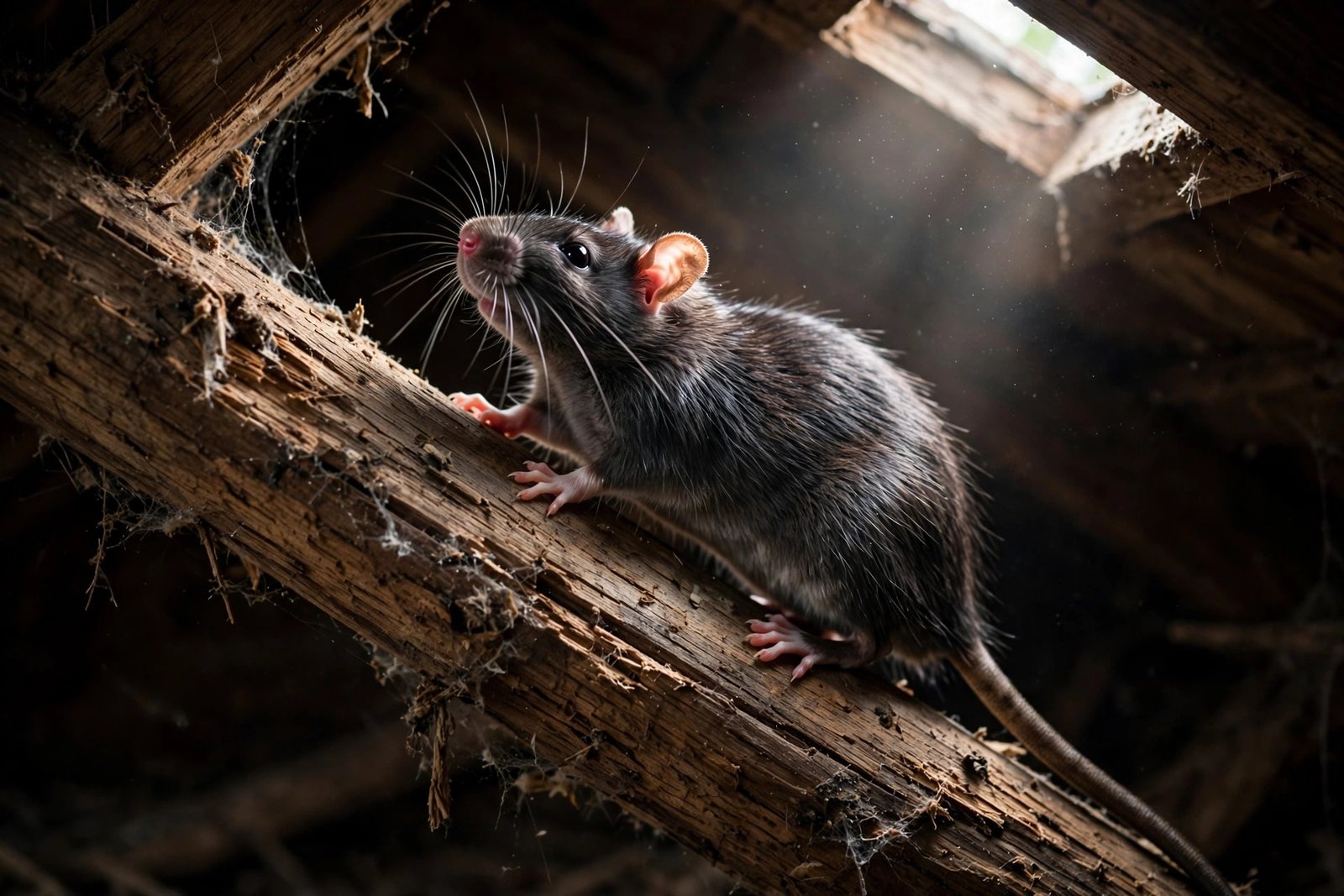
A rodent moving through insulation, stored materials, or a ceiling void may create light scratching or running sounds. A larger animal may produce heavier movement. The sound can travel through framing, so the apparent location may not be the actual source.
How rat noises may differ from mouse noises
Rats may create heavier movement or gnawing sounds, while mice often produce lighter, quicker sounds. This is only a rough impression. Building construction, distance, insulation, and the animal’s position affect what a person hears; do not identify a species from sound alone.
Why sounds are often noticed at night
Many rodents are more active during periods when people are quiet and indoor spaces are undisturbed. That can make nighttime activity easier to hear. However, a noise at night does not prove that the source is a rodent.
Running, gnawing, and squeaking
Repeated scurrying along a predictable route, gnawing, or occasional squeaking may be consistent with rodent activity. Note the time, duration, and location. Avoid banging on ceilings or trying to drive an animal out, which may move it into another void.
Other signs to look for
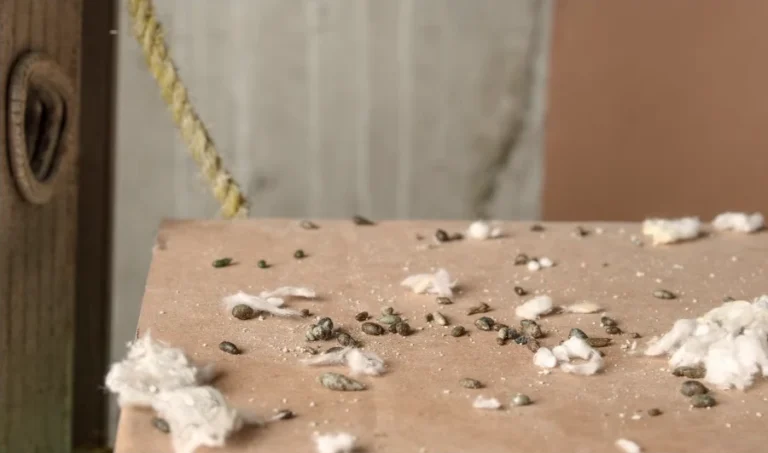
From accessible areas, look for droppings, gnaw marks, damaged screens, nesting material, or a possible entry gap. Do not touch droppings or nests. If signs are in an attic, be cautious about access: joists may be concealed by insulation and ceilings are not safe walking surfaces.
Could the sound be inside a wall?
Yes. Rodents may travel through wall cavities and around service penetrations. Sound can seem to come from the attic even when the animal is in a wall or soffit. Record several observations before deciding where the activity is located.
What to do when you hear rodents in the attic
Keep children and pets away from the suspected area. Do not disturb insulation, nests, or droppings. Secure food and waste, and note any visible exterior gaps. If you suspect wiring damage, contact a qualified electrician. A provider experienced with attic rodent issues can explain whether an inspection is available.
When attic rodent removal may be needed
Consider professional assessment when sounds recur, signs are found in the attic, access points are difficult to reach, or contamination is present. Ask the provider to distinguish animal removal from exclusion and cleanup, because these may be separate scopes of work.
Need help assessing rodent activity?
If you have recurring signs, activity in an attic or wall void, or contamination that you cannot safely assess, you can review the relevant Houston rodent-control service information and request details from an independent provider. The provider must confirm whether the requested inspection, removal, cleanup, exclusion, or repair is within its scope, along with current availability and pricing.
Frequently asked questions
Why do I hear scratching in my attic at night?
Possible causes include rodents moving through an attic or wall void, but building movement, plumbing, insects, and wildlife can also make sounds.
Do rats make running noises in ceilings?
They can. The sound may be heavier than mouse activity, but acoustics make species identification unreliable.
Are mice louder than rats?
Not necessarily. The sound depends on the building, distance, materials, and the animal’s activity.
Can rodents live in an attic without being seen?
Yes. Attics and ceiling voids can provide concealed shelter, so droppings, gnaw marks, and noises may be the only clues.
Should I inspect an attic myself?
Do not walk on concealed ceiling surfaces or disturb droppings and nests. If access is unsafe or contamination is suspected, seek qualified help.
Related resources
Authoritative source note: CDC, Controlling Wild Rodent Infestations.