How Do Roof Rats Get Into Attics? Trees, Rooflines, Vents, and Other Access Points
Roof rats are agile climbers and may reach a building’s upper levels by using trees, fences, vines, utility lines, and connected roof features. Once near the roof, a damaged vent, loose soffit, fascia gap, or unsealed opening may provide access to an attic. Finding the route matters because removing a rodent without addressing the opening can leave the building vulnerable to future entry. Finding roof rats in attic spaces often points to an elevated access route, although the entry point still needs to be confirmed.

Why roof rats are associated with attic spaces
Roof rats commonly use elevated shelter and climbing routes. Attics, roof voids, and upper wall spaces can offer protection and nesting opportunities. Their presence should be confirmed through evidence rather than assumed from an attic noise alone.
Trees and branches near the roof
Branches that touch or closely overhang the roof can create a bridge. Roof rats may also use fences, vines, and other connected structures. Pruning can reduce access, but work near power lines or at height should be completed by qualified professionals.
Roof edges, soffits, and fascia gaps
Damaged fascia boards, loose soffit panels, roof intersections, and gaps around eaves can create openings. Inspect from ground level with binoculars if needed. Do not climb onto a roof or remove building components without appropriate training.
Roof vents and damaged screens
Attic and roof vents are intended to allow airflow while limiting pest access. Missing, corroded, or poorly fitted screens can undermine that purpose. Repairs should preserve ventilation and comply with applicable building requirements; do not simply block a vent.
Openings around utility lines
Cables, pipes, and other services may pass through roof or wall areas. Gaps around these penetrations can become access points. Electrical and gas penetrations require suitable materials and, where needed, qualified tradespeople.
Signs of roof rat activity in an attic
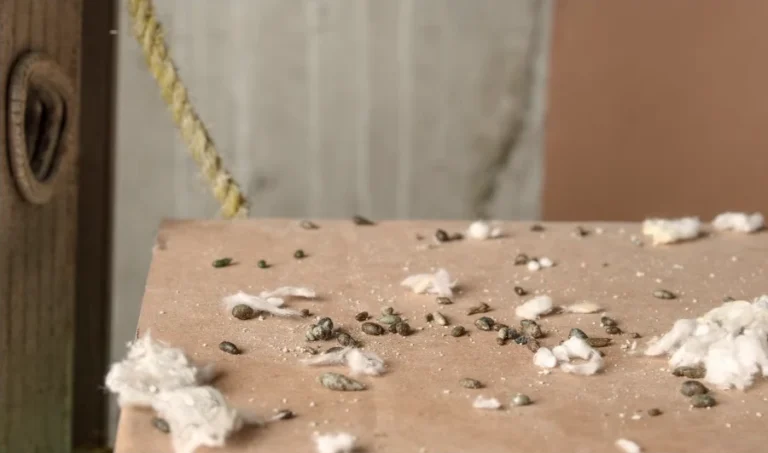
Possible clues include droppings, gnaw marks, shredded nesting material, damaged insulation, and repeated sounds. These signs can overlap with other rodents. Avoid disturbing suspected nests or contaminated insulation.
How to reduce roof rat access
Maintain roofline components, repair damaged screens, manage branches near the structure, store food securely, and remove outdoor waste or feed sources. Inspect the building perimeter and accessible attic areas periodically.
When to consider professional attic rodent removal
If evidence is inside an inaccessible attic or wall void, a provider may be able to assess the activity and explain removal and exclusion options. Confirm whether the provider handles roofline repairs or only identifies openings for another contractor.
Need help assessing rodent activity?
If you have recurring signs, activity in an attic or wall void, or contamination that you cannot safely assess, you can review the relevant Houston rodent-control service information and request details from an independent provider. The provider must confirm whether the requested inspection, removal, cleanup, exclusion, or repair is within its scope, along with current availability and pricing.
Frequently asked questions
Can roof rats enter through roof vents?
They may enter through damaged or missing vent screens or gaps around vent assemblies.
Can roof rats climb trees?
Yes. Roof rats are capable climbers and may use branches and other elevated routes to reach buildings.
Can roof rats climb walls?
They can climb rough or textured surfaces and use pipes, cables, and architectural features.
Where do roof rats nest?
They may nest in attics, roof voids, dense vegetation, trees, and other protected elevated locations.
What are signs of roof rats in an attic?
Droppings, gnaw marks, nesting material, damaged insulation, and repeated movement sounds can indicate activity, but do not identify species alone.
Related resources
Authoritative source note: CDC, How to Seal Up to Prevent Rodents.