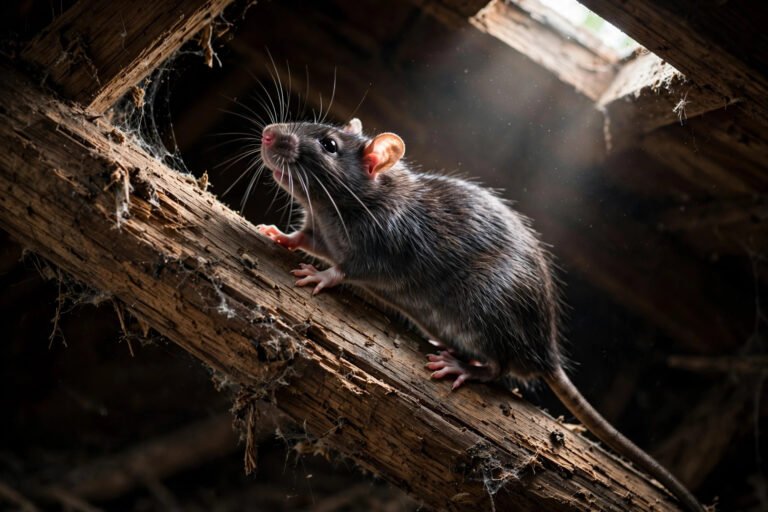
Rodents Chewing Electrical Wires: Warning Signs, Risks, and Next Steps
Rats and mice may gnaw electrical-wire insulation as they move through buildings, but a homeowner should never investigate suspected wiring damage by touching exposed conductors or opening energized equipment. Damaged wiring can create shock and fire hazards. If you notice a burning smell, sparking, unusual electrical behavior, or visible damage, keep away and contact a qualified electrician or emergency services as appropriate. Rodent control and electrical repair are related but separate tasks. Rodents chewing electrical wires can create serious safety concerns, so suspected damage should be assessed by a qualified electrician.
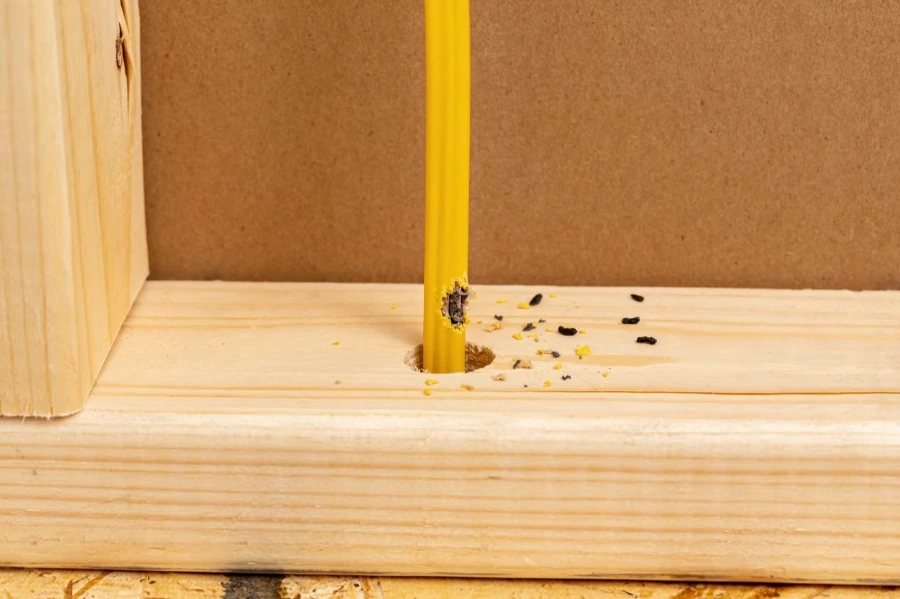
Why rodents chew electrical wiring
Rodents gnaw for several reasons, including maintaining their continuously growing incisors and investigating materials in their environment. Wiring may be damaged when it lies along a travel route or inside an accessible void. Not every electrical fault is caused by rodents, so avoid assuming the cause without inspection.
Signs of possible rodent damage
Possible clues include chewed insulation on visible, de-energized materials, droppings or nesting material near wiring routes, and repeated rodent activity in walls or attics. Do not pull cables, remove covers, or reach into electrical spaces to verify a suspicion.
Burning smells, flickering lights, and other warning signs
A burning odor, buzzing, sparking, warm outlets, tripping breakers, or flickering lights can have several causes, including electrical faults. Treat these signs seriously. Do not use the affected outlet or equipment, and do not touch exposed wiring.
Why a qualified electrician should assess wiring
Electrical systems can remain energized even when a switch is off. A qualified electrician can determine whether wiring is damaged and what repair is required. Rodent-control personnel should not be assumed to be qualified to repair electrical systems.
What to do if you suspect active electrical damage
Keep people away from the area. If there is smoke, fire, or immediate danger, leave and contact emergency services. Otherwise, contact a qualified electrician promptly and follow their instructions. Do not attempt a DIY inspection inside a wall, panel, attic junction box, or appliance.
How entry points can lead to repeated problems
If rodents accessed a building through roofline gaps, utility penetrations, or wall openings, the same route may expose other materials to gnawing. Once electrical safety has been addressed, investigate the rodent access route and any ongoing activity.
The role of rodent removal and exclusion
A rodent provider may assess signs of activity and discuss removal and exclusion options. Exclusion repairs must not interfere with electrical clearances or ventilation. Coordinate with the electrician and other trades so that repairs are completed safely.
When urgent assistance may be appropriate
Electrical warning signs take priority over pest concerns. Arrange electrical assessment first when wiring may be unsafe. Then confirm whether rodent activity remains and whether a provider can inspect or address the access route.
Need help assessing rodent activity?
If you have recurring signs, activity in an attic or wall void, or contamination that you cannot safely assess, you can review the relevant Houston rodent-control service information and request details from an independent provider. The provider must confirm whether the requested inspection, removal, cleanup, exclusion, or repair is within its scope, along with current availability and pricing.
For attic infestations specifically, see attic rodent removal in Houston.
Frequently asked questions
Can rats chew through electrical wires?
Rodents can gnaw wiring insulation and other materials. Whether a particular wire is damaged requires safe inspection by a qualified electrician.
Can mice chewing wires cause a fire?
Damaged wiring can create electrical hazards, including potential fire risk. Do not assume damage is harmless.
What are signs of rodent damage to wiring?
Visible gnawing, nearby droppings, nesting material, or rodent activity near wiring may raise concern, but do not inspect energized wiring yourself.
Should I touch damaged electrical wires?
No. Keep away and contact a qualified electrician. If there is smoke or fire, leave and contact emergency services.
Who should inspect wiring damaged by rodents?
A qualified electrician should assess electrical damage. A rodent-control provider can separately assess animal activity and access points.
Related resources
Authoritative source note: U.S. Fire Administration, electrical safety resources; CDC, rodent prevention.