How Long Does a Dead Mouse or Rat Smell Last in a House?
A dead mouse or rat can produce an unpleasant odor, but there is no dependable number of days that applies to every home. The duration depends on the animal’s size, temperature, moisture, airflow, and whether the carcass is accessible or enclosed. Odor may fade as decomposition changes, but that does not prove the source has been safely removed or that contaminated material has been addressed. If you are asking how long does dead rodent smell last, the answer depends on the location, temperature, airflow, and whether the source is removed.
Why dead rodents produce strong odors
As an animal decomposes, biological processes release compounds that people perceive as unpleasant odors. The strength and character of the smell vary. A small animal can still create a noticeable odor when it is trapped in a confined space.
Factors that influence how long the smell lasts
Temperature, humidity, airflow, the animal’s size, the location, and the surrounding materials can affect odor development and persistence. A warm enclosed void may behave differently from a well-ventilated space. Because conditions vary, fixed online timelines are unreliable.
Why enclosed spaces can make odors more noticeable
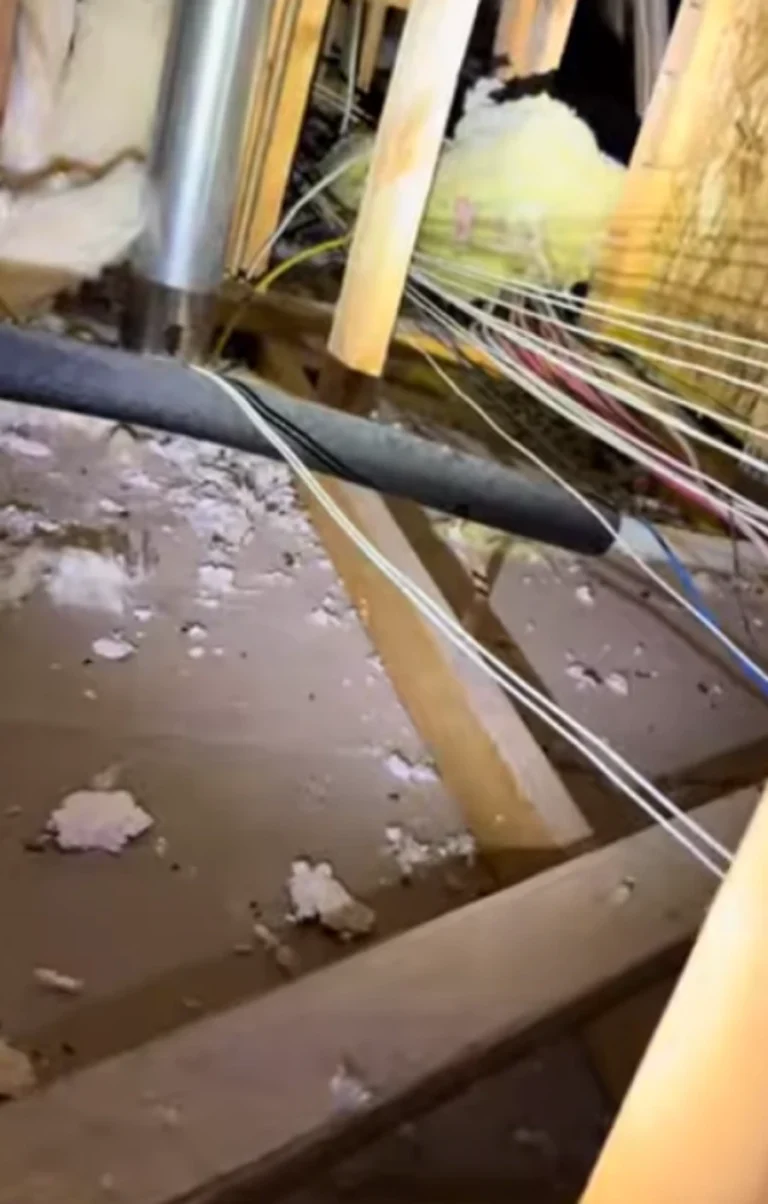
Wall cavities, attic voids, cabinets, and spaces behind equipment can restrict airflow and allow odor to escape through small gaps. Air movement may carry the smell into another room, making the source difficult to locate.
Signs the source may still be present
A recurring localized odor, insect activity, prior scratching noises, droppings, or a recent rodent sighting may provide context. These signs are not conclusive. Plumbing leaks, moisture, drains, and spoiled materials can also cause persistent smells.
Why ventilation alone may not solve the problem
Fresh air can dilute an odor temporarily, but it does not remove a carcass or contaminated material. If the source remains inside a wall or attic, the odor may continue or return when airflow changes.
What happens when the source is not located
A concealed carcass may eventually decompose, but waiting does not address possible contamination or the entry route that allowed the rodent inside. If the odor is severe or persistent, consider an assessment rather than cutting into a wall yourself.
When to consider dead rodent removal and odor control
Seek advice when the odor is localized and persistent, the suspected source is inaccessible, or droppings and nesting materials are also present. Ask whether the provider can locate and remove the source, assess affected materials, and explain any separate repair or sanitation needs.
Preventing future rodent access
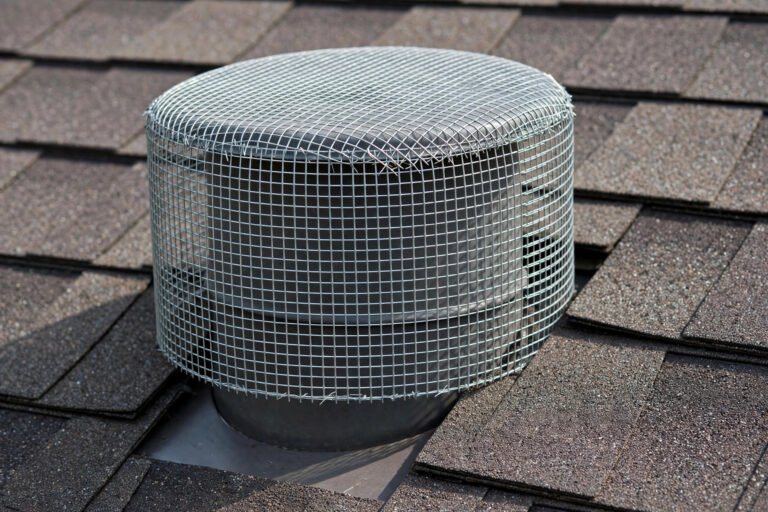
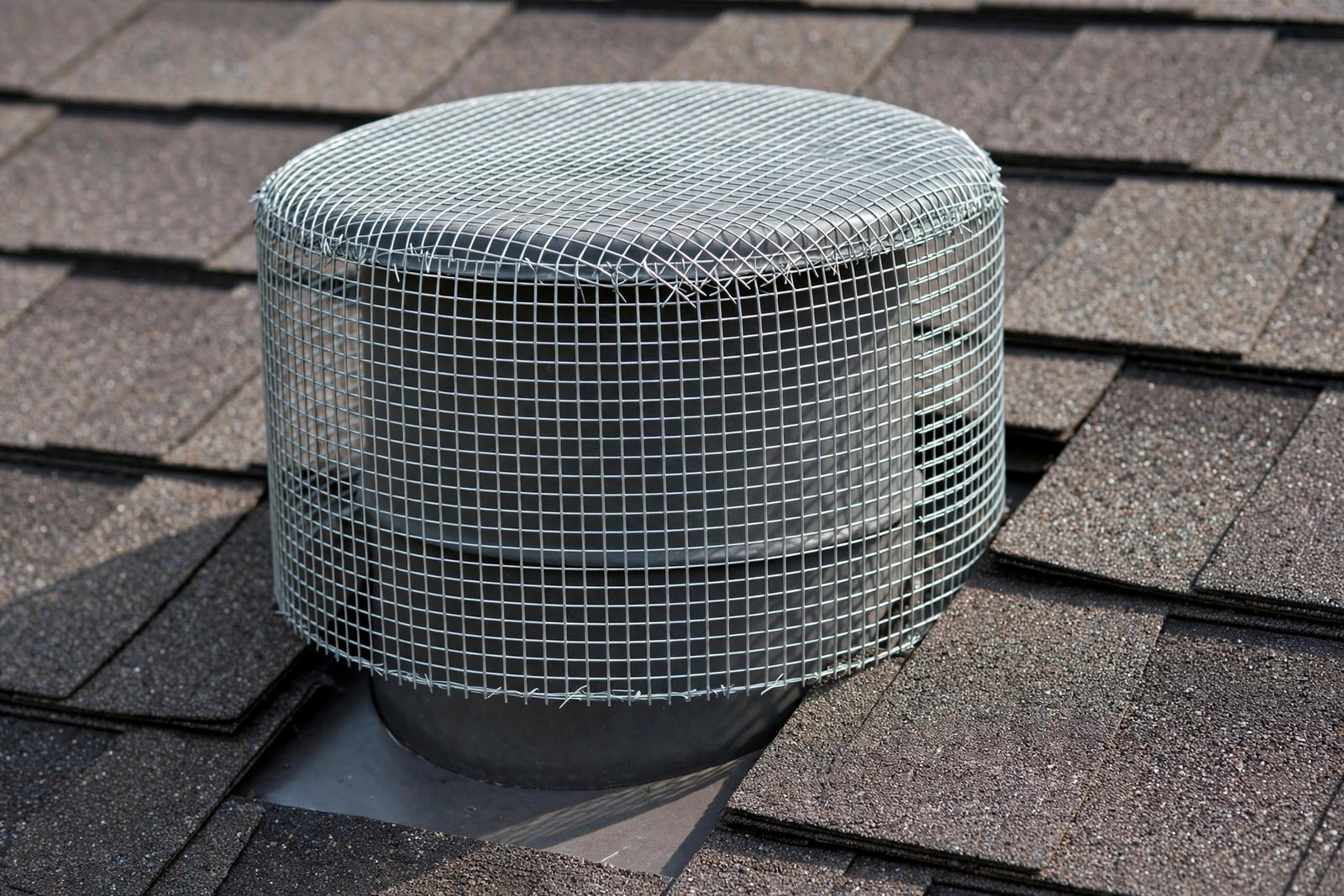
Seal appropriate openings, maintain vents and door seals, secure food and waste, and reduce outdoor shelter. If an odor issue followed rodent activity, consider both the immediate source and the route rodents used.
Need help assessing rodent activity?
If you have recurring signs, activity in an attic or wall void, or contamination that you cannot safely assess, you can review the relevant Houston rodent-control service information and request details from an independent provider. The provider must confirm whether the requested inspection, removal, cleanup, exclusion, or repair is within its scope, along with current availability and pricing.
Frequently asked questions
How long does a dead mouse smell last?
There is no universal timeline. Temperature, moisture, airflow, location, and removal of the source affect how long odor remains.
How long can a dead rat smell in a wall?
A concealed source may remain noticeable for an unpredictable period. The smell may change as decomposition progresses, but a fixed number of days cannot be promised.
Does a dead rodent smell eventually disappear?
Odor may fade over time, but waiting does not confirm that the source or contaminated material has been addressed.
Why is the smell stronger in one room?
Air movement and openings between cavities can concentrate or carry odors into particular spaces.
Can a dead rodent smell travel through vents?
Air movement can carry odors, but a smell near a vent does not prove the carcass is inside the ductwork. Have the source assessed safely.
Related resources
Authoritative source note: CDC, Rodent Cleanup Guidance.