Home›Dead Rodent Removal & Odor Control Houston
DEAD RODENT REMOVAL • ODOR CONTROL • HOUSTON, TX
Dead Rodent Removal & Odor Control in Houston, TX
A strong, unpleasant smell that seems to come from a wall, ceiling, attic, or space beneath your home can be difficult to ignore. If you suspect a rat or mouse has died inside your property, the first step is to identify the source and determine whether it can be safely accessed and removed.
Dead rodent removal involves locating and removing an accessible dead rat or mouse. Odor control may also require cleaning, sanitation, or treatment of affected materials after the source has been removed.
Rodent Control Houston connects property owners in Houston with independent service providers for rodent-related assistance. If you are experiencing a dead rat smell in your house or suspect a dead mouse is trapped inside a wall or ceiling, contact us to discuss the location and check which services may be available.
Dead-animal location, removal, access repairs, sanitation, and odor treatment depend on the provider’s capabilities and the condition of the affected area. Odor elimination cannot be guaranteed in every situation or in a single visit.
Dead Rat Smell in Your House? Start by Finding the Source
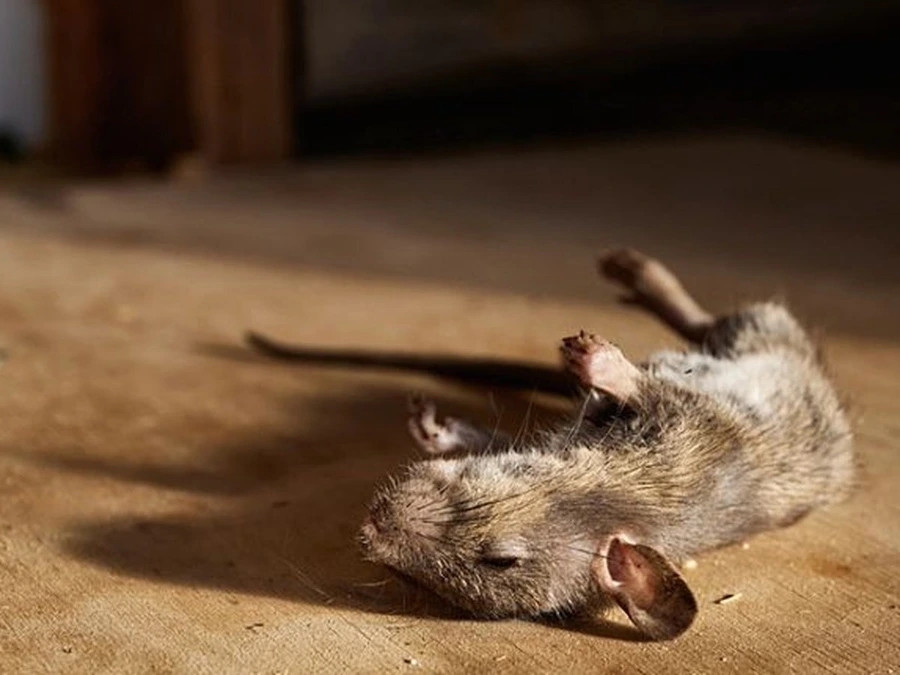
A dead rat smell in a house is often described as a strong, unpleasant, decaying or putrid odor. It may become more noticeable over time, particularly when the animal is hidden inside a building cavity.
However, not every persistent foul smell comes from a dead rodent. Plumbing problems, wastewater issues, moisture-related problems, and other sources can also produce unpleasant indoor odors.
What Does a Dead Rat Smell Like in Your House?
People commonly describe the smell as rotten, decaying, musty, or unusually foul. The intensity can vary depending on the animal’s size, how long it has been there, the temperature, and how air moves through the space.
A dead mouse can also create a noticeable smell despite its small size.
If the odor is persistent and you cannot identify its source, avoid opening walls or ceilings without first considering whether a professional inspection is appropriate.
Signs that may suggest a dead rodent include:
- A strong, localized odor that seems to come from one wall, ceiling, or enclosed space.
- A smell that becomes more noticeable over several days.
- Flies or other insects gathering near a particular location.
- A recent history of rodent activity, trapping, or pest-control treatment.
- An odor concentrated around an attic, garage, crawl space, or wall cavity.
These signs can help guide an inspection, but they do not confirm the source by themselves.
Dead Rat Removal in Houston
A dead rat inside a home can create an unpleasant odor and may leave biological residue in the surrounding area.
A dead rat removal service may involve:
- Assessing the reported location.
- Checking accessible areas for signs of the carcass.
- Determining whether the animal can be reached safely.
- Removing the carcass when accessible and within the provider’s service scope.
- Discussing whether affected surfaces need cleaning or disinfection.
- Explaining whether additional access work or odor treatment may be required.
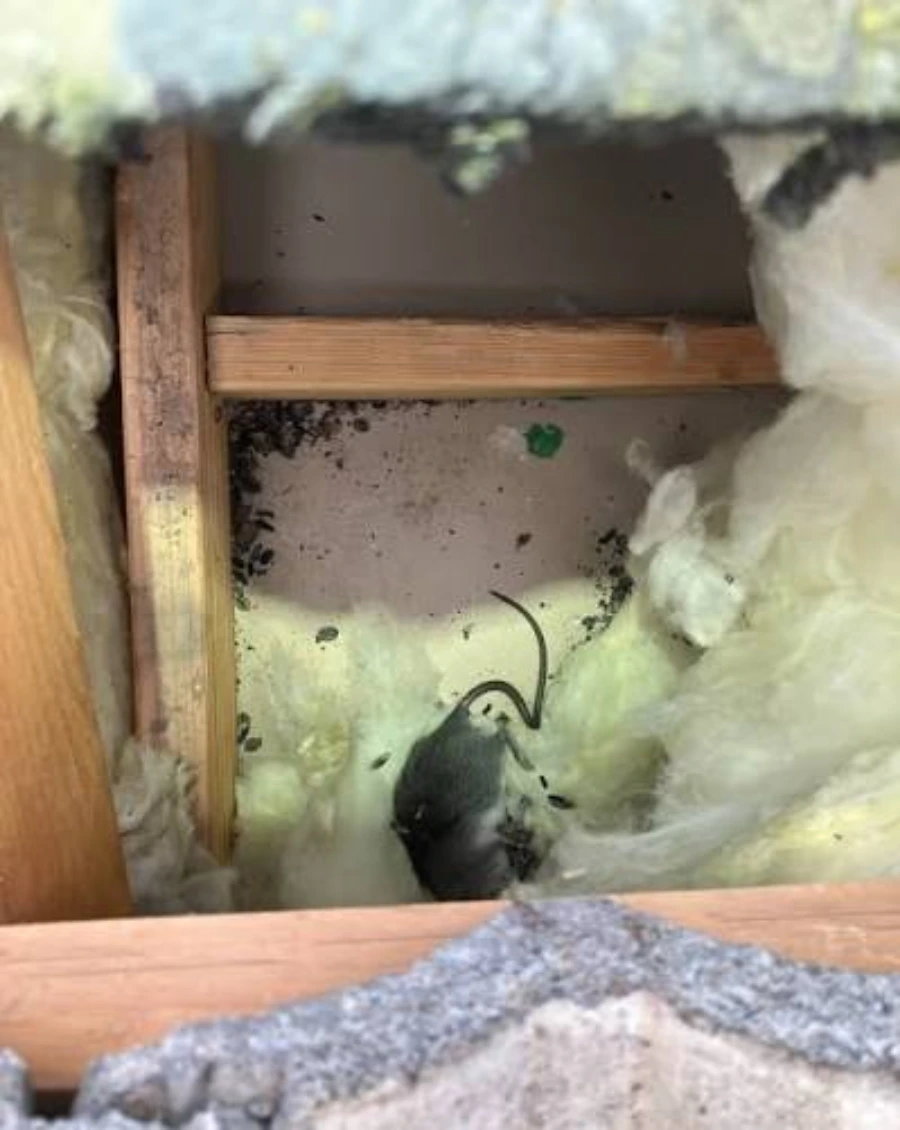
The exact work should be confirmed before the appointment. Removal from an accessible garage or attic is different from locating a carcass deep inside a sealed wall or ceiling.
Dead Mouse Removal in Houston
A dead mouse can produce a noticeable odor when trapped inside a wall, cabinet void, ceiling, or other enclosed space.
If you suspect a dead mouse in your home, explain:
- Where the smell is strongest.
- When you first noticed the odor.
- Whether you have seen mice or signs of rodent activity.
- Whether the smell appears to come from a wall, ceiling, attic, or cabinet area.
- Whether you have noticed flies or other insects nearby.
A provider can use this information to discuss possible inspection options. The location must be established before removal or odor treatment can be planned.
Dead Rodent in Walls and Ceilings
A dead rodent inside a wall or ceiling can be more difficult to locate and remove than one found in an open area.
The smell may appear to come from one section of a room, but the actual carcass could be inside a wall cavity, above a ceiling, or in another concealed space.
Can a Dead Rat Be Removed From Inside a Wall?
Sometimes, but the feasibility depends on the location, access, construction, and provider’s equipment and capabilities.
A possible assessment may involve:
- Reviewing where the odor is strongest.
- Checking accessible areas around the suspected location.
- Looking for supporting signs of rodent activity.
- Determining whether inspection equipment can help narrow down the source.
- Discussing whether an access opening may be required.
- Explaining any repair work needed after removal.
Opening a wall or ceiling should not be assumed to be included in a dead-rodent removal appointment. Ask who will perform the access work, whether repair is available, and how the cost will be handled.
How to Get Rid of Dead Rat Smell in a Wall
If a carcass is inside a wall, spraying an air freshener into the room may only mask the odor temporarily.
A more effective plan depends on identifying the source and determining whether the carcass and any affected material can be accessed and removed.
Where access is required, the property owner should understand the proposed opening, removal, cleanup, and repair work before authorising it.
Odor treatment alone may not resolve a smell if the original source or contaminated material remains.
Dead Rodent Odor in Attics and Under Houses
A dead rodent may be difficult to reach when it is located in an attic, crawl space, or enclosed area beneath a house.
Dead Rat Smell in an Attic
An attic may contain insulation, stored materials, framing, and other spaces where a small animal can become difficult to locate.
If you notice a dead rat smell in your attic:
- Avoid disturbing droppings or nesting material.
- Do not move contaminated insulation without appropriate precautions.
- Note where the odor is strongest.
- Mention any scratching or rodent activity you previously noticed.
- Ask whether the provider can inspect the accessible attic area and remove a carcass if found.
For broader live-rodent activity in the attic, see: Attic Rodent Removal in Houston
If the attic also contains droppings or contaminated materials, a separate cleanup assessment may be needed. See: Rat Droppings Cleanup & Attic Sanitation
Dead Rat Smell Under a House
A dead rat smell under a house may come from a crawl space or another enclosed area below the structure.
Access can be restricted by low clearance, insulation, moisture, debris, or the building’s construction.
Before arranging a visit, explain whether the property has a crawl space and whether there is a safe access point. Not every provider handles confined or difficult-to-access areas.
Dead Rodent Source Detection
When a smell is present but no carcass is visible, locating the source is an important part of the assessment.
A dead rodent source detection enquiry may involve reviewing the odor location, checking accessible spaces, and considering other possible causes.
How Can the Source Be Located?
Depending on the provider’s equipment and the property, an assessment may include:
- Identifying the room or area where the smell is strongest.
- Inspecting accessible attic, garage, or crawl-space areas.
- Checking visible wall and ceiling openings.
- Looking for flies or other signs that may help narrow the search.
- Using suitable inspection equipment where available.
- Considering whether the odor could have another cause.
Specialist inspection tools, including small cameras or scopes, may help in some building cavities. Their use and availability must be confirmed with the provider.
Finding the exact location is not always possible. A carcass may be concealed behind inaccessible construction materials, and an inspection may identify only a likely area rather than a confirmed source.
If no dead animal is found, do not assume that more wall openings or odor treatments will solve the problem. Other possible sources should be considered.
Odor Removal, Sanitation, and Cleanup
Removing the dead animal is an important step, but it may not be the only work needed to address the smell.
Depending on the condition of the area, additional work may involve:
- Removing visible biological residue.
- Cleaning affected hard surfaces.
- Disinfecting suitable surfaces using an appropriate product.
- Removing contaminated materials where necessary and within the agreed service scope.
- Applying a suitable odor-treatment product.
- Discussing repairs to an opening created to access the carcass.
Does Removing a Dead Rat Get Rid of the Smell?
Removing the carcass removes the original source, but the odor may not disappear immediately.
The surrounding area may retain decomposition residue or contaminated material. Airflow, building materials, and the length of time the carcass was present can also affect how long the smell remains.
Ask the provider whether the quote includes:
- Locating the carcass.
- Removing and disposing of the animal.
- Cleaning the affected area.
- Disinfection or sanitation where appropriate.
- Odor treatment.
- Removal of contaminated materials.
- Access opening and repairs, if needed.
These services should not be assumed to be included together.
Can Air Fresheners Remove Dead Rat Smell?
Air fresheners can mask an unpleasant odor temporarily, but they do not remove a dead animal or clean affected surfaces.
If the source remains inside a wall, ceiling, or attic, masking the smell does not resolve the underlying problem.
The appropriate approach is to identify the source, remove it when accessible, and assess whether the affected area needs further cleaning or treatment.
How Long Will Dead Rat Smell Go Away?
There is no fixed timeline for every property.
The smell may fade as the carcass decomposes and dries, but the duration depends on factors such as:
The Internet Center for Wildlife Damage Management notes that dead-animal odors can persist for days to weeks, depending on the circumstances. This should not be treated as a guaranteed timeline for an individual property.
Removing an accessible carcass and addressing affected material may reduce the odor more quickly, but complete odor elimination cannot be promised in every case.
- The size of the animal.
- How long it has been there.
- The temperature and humidity.
- Whether the carcass is in an enclosed or ventilated space.
- Whether fluids or other residue have affected surrounding materials.
- Whether the carcass has been removed.
Is Dead Rat Smell Harmful to Your Health?
A dead rat’s decomposition odor is unpleasant, but the smell itself is not a reliable measure of whether a dangerous exposure is occurring.
The more important concern is direct contact with the carcass, urine, droppings, nesting materials, or contaminated surfaces. Rodents and their waste can carry infectious agents, so handling and cleanup should be approached carefully.
The CDC recommends taking precautions when cleaning up after rodents and specifically includes dead rodents in its guidance.
Can Dead Rat Smell Kill You?
The ordinary smell of a decomposing rat is not, by itself, evidence that a person is being exposed to a lethal concentration of a toxic gas.
However, this does not mean the area should be ignored. The source may involve a dead animal and contaminated materials that should not be handled casually.
If someone develops symptoms or is concerned about a possible exposure, contact a healthcare professional. For questions about a specific environmental or indoor-air concern, an appropriate health or environmental professional can advise.
Is Dead Rat Smell Toxic or Dangerous?
The odor is primarily a sign that decomposition or another odor-producing source may be present. It is not a reliable test for toxicity or infection.
Avoid direct contact with the carcass and any associated waste. Do not dry sweep or vacuum rodent droppings, urine, or nesting materials.
CDC guidance: How to Clean Up After Rodents
Dead Rodent Removal Cost in Houston
The cost of dead rodent removal in Houston depends on the location of the animal, how difficult it is to access, and what additional work is needed.
There is no verified standard price for this website, so a provider should assess the circumstances before giving a quote.
What Affects Dead Rat Removal Cost?
| Cost factor | Why it matters |
|---|---|
| Location of the carcass | An accessible garage is different from a sealed wall cavity. |
| Accessibility | Attics, crawl spaces, and restricted areas may require additional work. |
| Source detection | The animal may need to be located before removal can begin. |
| Removal and disposal | The quote should clarify whether both are included. |
| Cleaning and sanitation | Affected surfaces may require additional work. |
| Odor treatment | Deodorization may be a separate service. |
| Contaminated materials | Insulation or other materials may need separate assessment. |
| Access and repairs | Opening and repairing walls or ceilings can add to the cost. |
What Should You Ask Before Accepting a Quote?
- Is the inspection fee included?
- Does the quote cover locating the dead animal?
- Is removal and disposal included?
- Is cleaning or disinfection included?
- Is odor treatment included?
- Are access openings and repairs separate?
- Will additional charges be discussed before the work proceeds?
A clear quote should explain what work is included and what may cost extra.
What to Do Before Arranging Dead Rodent Removal
If you suspect a dead rat or mouse inside your property, these steps can help you prepare:
- 1Avoid direct contact. Do not touch the carcass with bare hands.
- 2Keep children and pets away. Restrict access to the affected area where practical.
- 3Do not disturb droppings or nesting materials. Avoid dry sweeping or vacuuming rodent waste.
- 4Identify the strongest odor location. Note whether it seems to come from a wall, ceiling, attic, garage, or area beneath the house.
- 5Record relevant signs. Mention flies, previous rodent sightings, or recent pest-control treatment.
- 6Explain access limitations. Tell the provider if the area is behind a wall, above a ceiling, or in a restricted crawl space.
- 7Ask what the service includes. Confirm removal, cleanup, deodorization, disposal, and repairs separately.
Do not cut into a wall or ceiling or enter a confined space without understanding the risks and the work involved.
A smell with no visible source often means a carcass in a void. This guide to a dead rat smell in a wall explains how the source is located, this timeline for how long the smell lasts sets realistic expectations, and our guide to a dead rodent in the attic covers the attic case.
Frequently Asked Questions About Dead Rodent Removal and Odor Control
Can you remove a dead rat from inside my house?
Dead rat removal may be possible when the carcass is accessible and the provider offers the service. Explain where you suspect it is located so the provider can discuss inspection and access options.
Can a dead rat be removed from inside a wall?
It may be possible, but the carcass must first be located and access must be assessed. Removal may require an opening in the wall and separate repair work. Not every concealed carcass can be located or reached.
How do I get rid of dead rat smell in my house?
The first step is to identify the source. If a dead rodent is confirmed, removing it when accessible and addressing any affected materials may help reduce the odor. Air fresheners may mask the smell but do not remove the source.
How do I remove dead rat smell from a home if I cannot find the animal?
Do not assume the smell is from a dead rat. An assessment may help identify the likely source and consider other possible causes. Avoid opening walls or applying deodorizing products blindly.
When will dead rat smell go away?
It varies. Some odors fade as the carcass dries and decomposes, while others can persist for days or weeks. Removing the carcass and treating affected material may reduce the odor, but no universal timeline can be guaranteed.
Can dead rat smell harm you?
The smell itself is not a reliable indicator of infection or toxic exposure. The carcass, rodent waste, and contaminated surfaces may present hygiene risks, so avoid direct contact and follow appropriate cleanup precautions.
Can dead rat smell kill you?
A normal decomposition odor is not evidence of a lethal gas exposure. However, do not ignore the source or handle the carcass and contaminated materials casually. Seek medical advice if someone develops symptoms or is concerned about exposure.
What does a dead mouse smell like?
A dead mouse can produce a rotten or decaying odor. The strength and duration depend on the animal’s location, the surrounding conditions, and how long it has been there.
Do you provide dead animal removal in Houston, TX?
You can contact Rodent Control Houston to discuss a suspected dead rat or mouse and check whether an independent provider offers the required removal service. Availability depends on the location and provider’s capabilities.
Does dead rodent removal include odor control?
Not automatically. Removal, disposal, cleaning, sanitation, deodorization, and repairs may be separate parts of the work. Confirm what is included in the provider’s quote.
How much does dead rodent removal cost?
The price depends on accessibility, source detection, removal, disposal, sanitation, odor treatment, and any required access or repair work. Request a quote based on the actual property conditions.
Can a dead rodent smell come from an attic or crawl space?
Yes. A carcass may be concealed in an attic, crawl space, or another building cavity. Access and inspection requirements depend on the property’s construction and the provider’s capabilities.
If live rats are also present, see rat removal in Houston.
Explore all rodent control services in Houston.
Need Dead Rodent Removal or Odor Help in Houston?
If you notice a dead rat smell in your house, suspect a dead mouse inside a wall, or have found a carcass in an attic or another enclosed area, contact us to discuss the location and the help you need.
Rodent Control Houston connects property owners with independent service providers for rodent-related assistance. Ask whether dead rodent location, removal, cleanup, and odor treatment are available for your situation.
Call: (713) 429-1842
Email: hello@rodentcontrolinhouston.com
Dead rodent location, removal, disposal, sanitation, deodorization, and access repairs depend on independent provider availability, property access, inspection findings, and the agreed service scope. Odor elimination cannot be guaranteed in every situation.