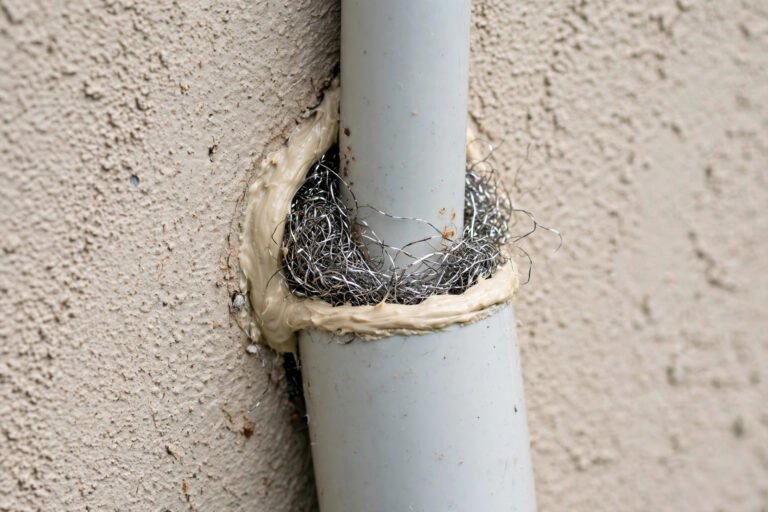
Signs of Mice in Your House: Droppings, Noises, Nests, and Other Clues
House mice are small, cautious, and capable of living close to people without being seen. A mouse problem is often first noticed through droppings, chewed packaging, shredded nesting material, or sounds behind cabinets and walls. Seeing one mouse does not tell you how many may be present. The most useful approach is to look for several signs, record where they occur, and avoid disturbing contaminated material. When people search for a house mice infestation, they are usually trying to confirm whether repeated signs point to ongoing activity.
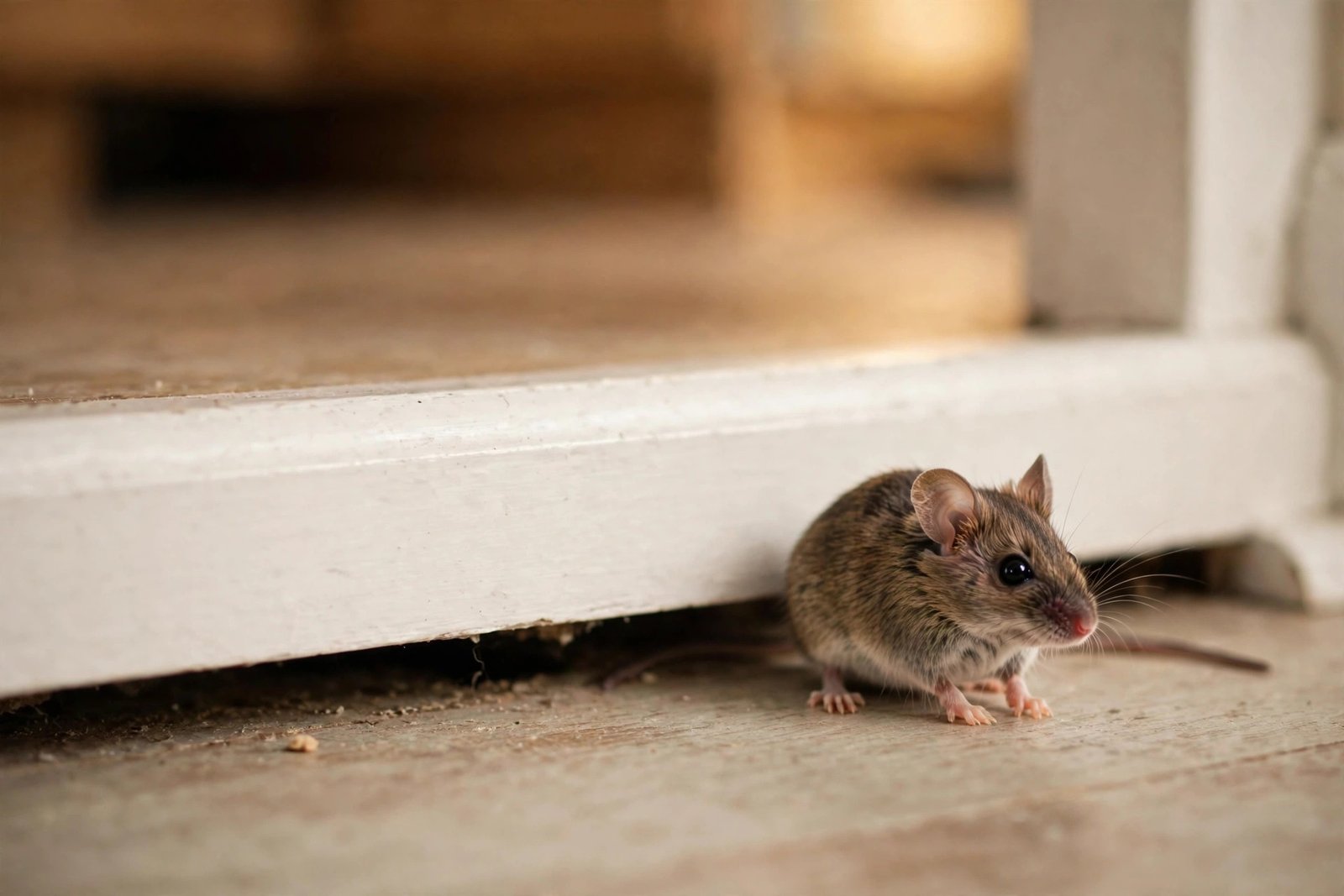
Common signs of mice in a house
Look for small dark droppings, gnaw marks, torn food packages, shredded paper or fabric, and repeated activity along walls or behind appliances. Mice may travel through narrow gaps and use concealed spaces near food, warmth, and nesting material.
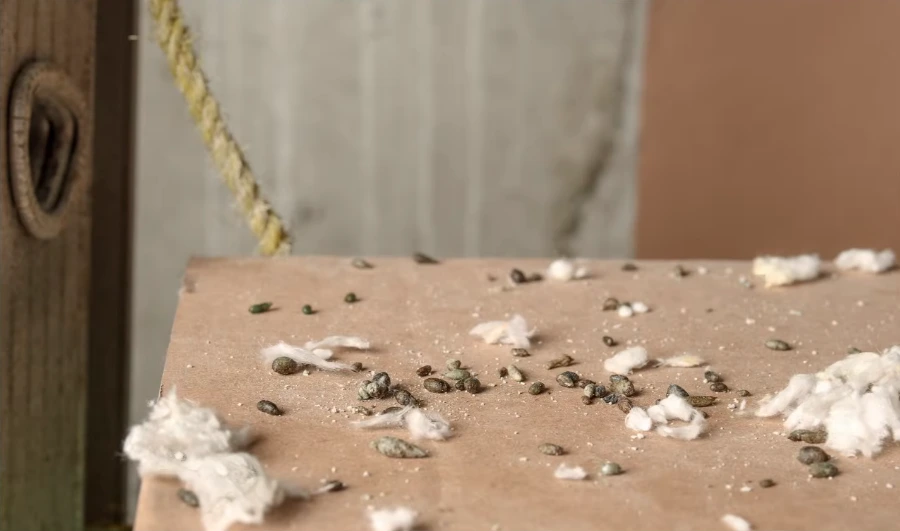
Mouse droppings in kitchens and storage areas
Droppings may appear in drawers, pantry corners, under sinks, behind refrigerators, inside cabinets, or near stored pet food. Their presence indicates access, but droppings alone do not establish whether activity is current. Do not sweep or vacuum them. Follow CDC cleanup guidance and seek help for heavy or widespread contamination.
Scratching and squeaking sounds
Mice may make light scratching, scurrying, or squeaking sounds in walls, ceilings, and stored items. The sound can be difficult to distinguish from building movement or insects. Note where and when it occurs, then check for other evidence nearby.
Nesting materials behind appliances and inside cabinets
House mice may shred paper, cardboard, insulation, cloth, and other soft materials. Nests are often tucked into protected spaces such as cabinet voids, storage boxes, wall cavities, or areas behind appliances. Do not reach into a suspected nest or pull apart dusty material.
Gnaw marks and damaged food packaging
Small teeth marks may appear on bags, boxes, and other packaging. Transfer dry goods into sealed containers made of sturdy material, discard food that may have been contaminated, and clean spills. Do not assume an intact-looking package is safe if rodents have accessed its storage area.
Where house mice hide during the day
Mice may remain in wall voids, cabinets, closets, garages, storage areas, and behind appliances. They are often most active when people are less active, but daytime activity can occur. Clutter and undisturbed storage make signs harder to detect.
Mouse or rat? Understanding the difference
Mice are substantially smaller than rats and generally leave smaller droppings and less extensive gnaw damage. However, droppings can be difficult to compare without a scale, and young rats may be mistaken for mice. Use several clues or obtain a professional identification rather than relying on one dropping.
When to consider professional mice removal
Consider a provider when droppings continue to appear, activity occurs in wall or attic spaces, food-storage areas are affected, or you cannot identify and close the access route. Ask whether the proposed service includes inspection, removal, exclusion recommendations, and follow-up, and confirm the provider’s scope directly.
Need help assessing rodent activity?
If you have recurring signs, activity in an attic or wall void, or contamination that you cannot safely assess, you can review the relevant Houston rodent-control service information and request details from an independent provider. The provider must confirm whether the requested inspection, removal, cleanup, exclusion, or repair is within its scope, along with current availability and pricing.
Frequently asked questions
How do I know if my house is infested with mice?
Repeated droppings, fresh gnaw marks, nesting material, damaged food packages, and recurring sounds are common clues. Multiple signs provide stronger evidence than one isolated clue.
Where do house mice hide?
They may hide behind appliances, inside cabinets, storage boxes, wall voids, garages, and other protected spaces near food and nesting materials.
What do house mouse droppings look like?
They are usually small, dark, and rice-shaped, but appearance varies. Do not handle or closely inspect them; use safe cleanup guidance.
Do house mice make noises at night?
They may produce light scratching, scurrying, or squeaking sounds, particularly when the building is quiet.
Can mice live inside kitchen cabinets?
Yes. Cabinets can provide shelter and access to food, especially where gaps around pipes or adjoining voids are present.
Related resources
Authoritative source note: CDC, Controlling Wild Rodent Infestations.