How Do Rats Get Into Houses? Common Entry Routes and Warning Signs
Rats enter houses through openings that connect outdoor shelter and food sources with protected indoor spaces. Common routes include gaps around pipes and cables, damaged vents, roofline openings, garage-door gaps, and foundation defects. The route depends partly on the species: roof rats often use elevated access, while Norway rats are more commonly associated with ground-level routes. Finding and correcting the actual opening is an important part of long-term prevention. If you are asking how do rats get into your house, begin by checking the openings that connect outdoor routes with indoor shelter.
How do rats enter a house?
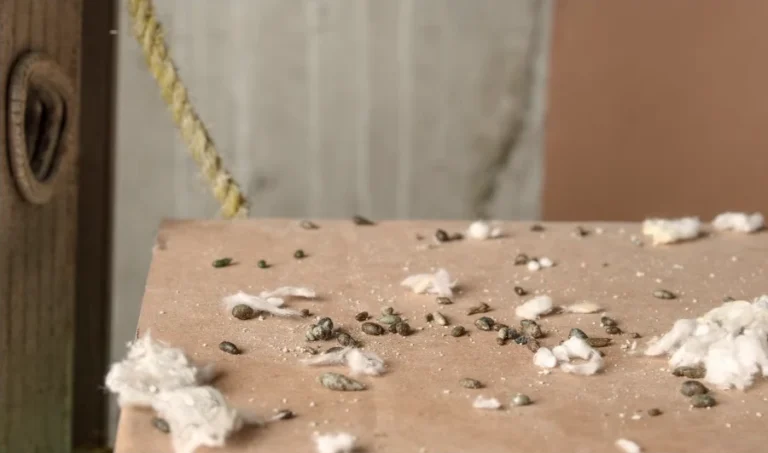
Rats do not need a wide-open door. They can exploit damaged building materials, unsealed service penetrations, gaps under doors, and openings around roof edges. An opening may be hidden behind stored items, vegetation, a downspout, or an appliance. Look for evidence such as droppings, rub marks, gnawing, or nesting material near a suspected route.
Gaps around pipes, cables, and utility lines
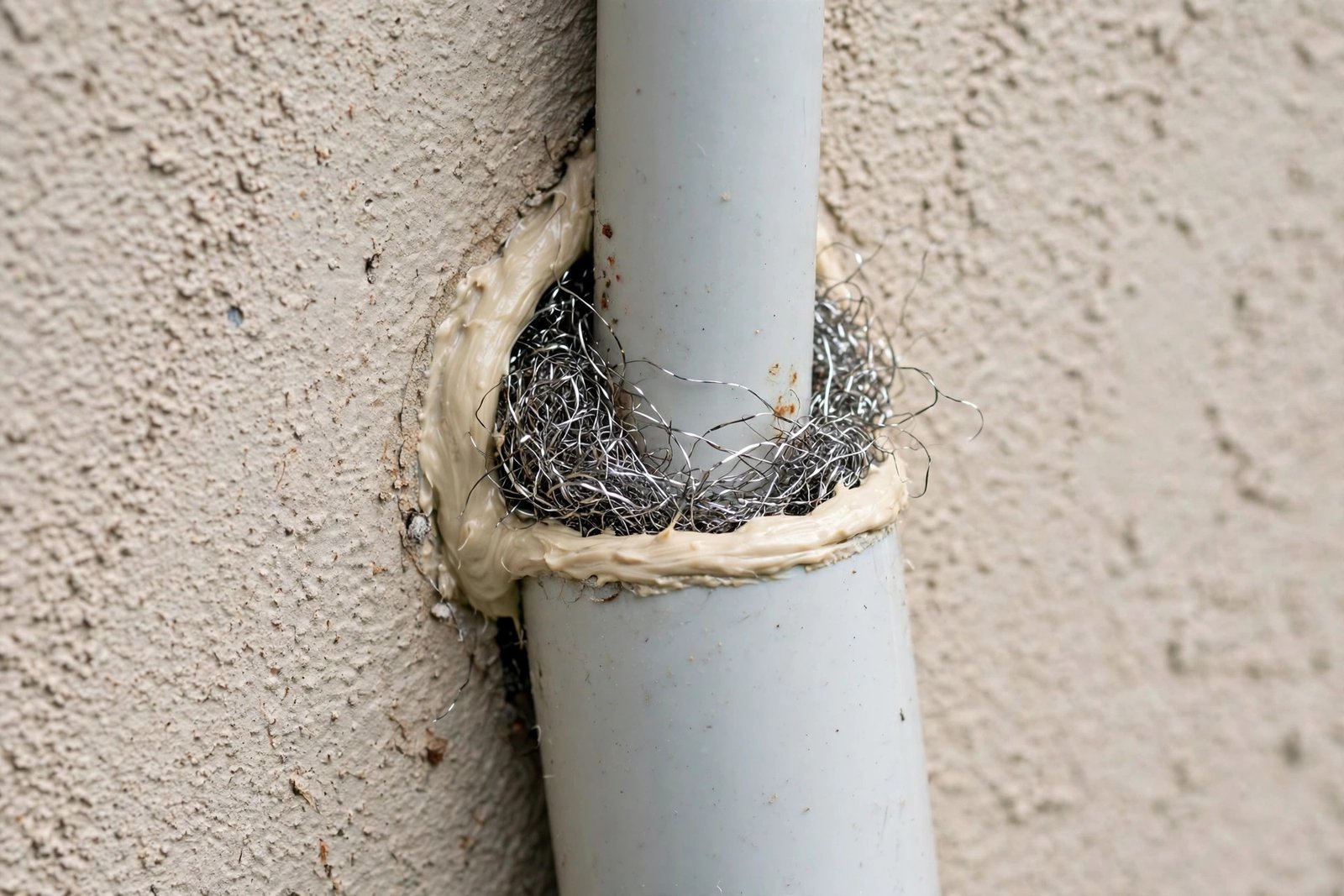
Plumbing, electrical, gas, and communications lines pass through exterior walls and floors. The space around a pipe or cable may be left open or may deteriorate over time. Inspect these transitions from a safe, accessible position. Do not interfere with gas lines, electrical equipment, or fire-rated building assemblies; repairs may require a qualified trade professional.
Roof edges, soffits, fascia, and vents
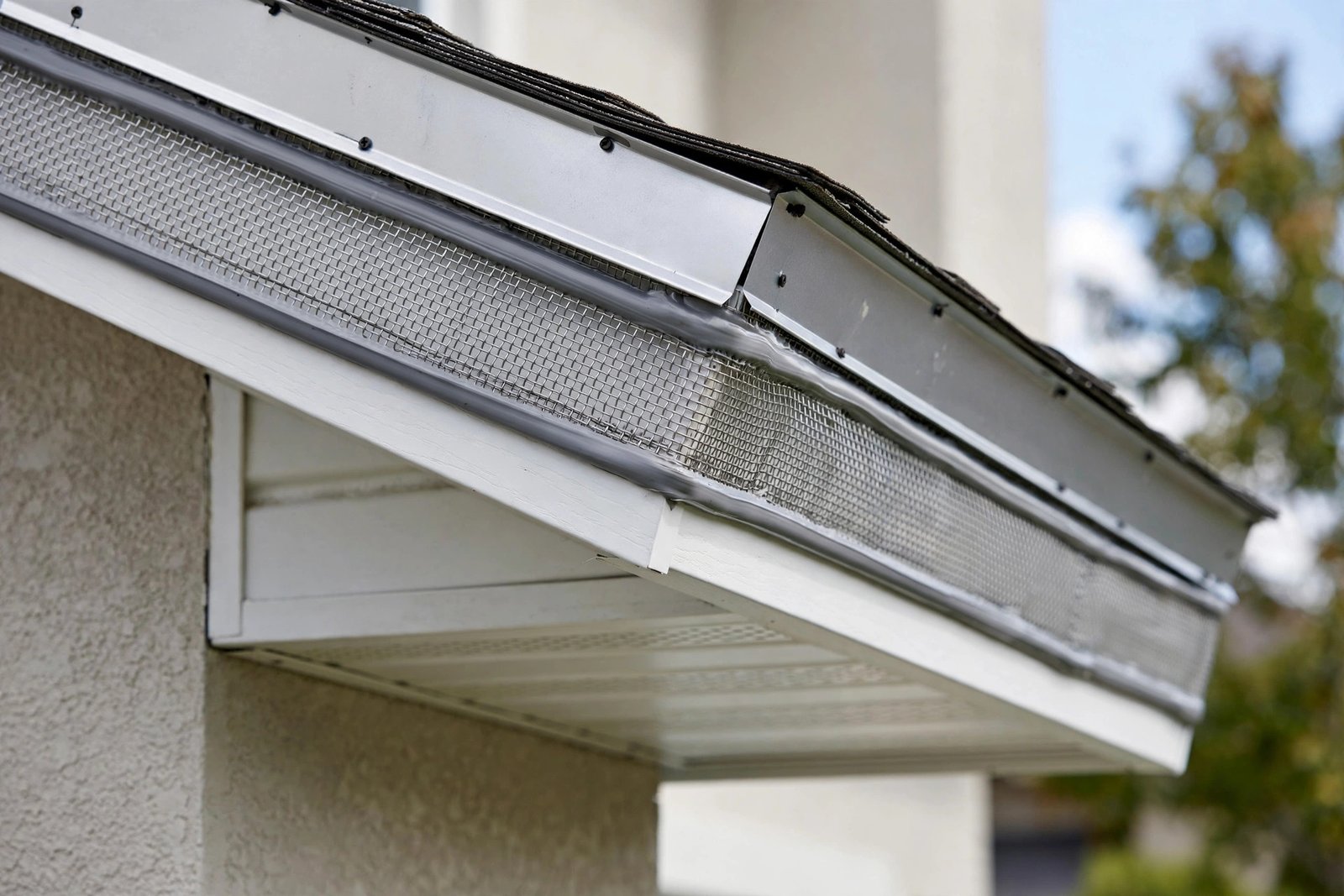
Loose soffit panels, damaged fascia, gaps at roof intersections, and unscreened or damaged vents can provide access to roof and attic spaces. Roof rats may use nearby trees, fences, or building features to reach these openings. Roof inspections involve fall hazards, so do not climb onto a roof without appropriate training and equipment.
Garage doors and foundation openings
A worn garage-door seal, uneven threshold, damaged weather stripping, or a gap at the foundation can create a ground-level route. Check corners and door edges in daylight. Store items off the floor where practical so that signs are easier to spot.
Roof rat access through trees and branches
Branches that touch or closely overhang a roof may provide a route to elevated building features. Roof rats can also travel along fences, cables, vines, and other connected structures. Pruning may reduce access, but tree work near power lines or at height should be handled by qualified professionals.
Norway rat access near foundations
Norway rats may approach from burrows, drains, ground-level clutter, or gaps around foundations and service entries. Check for burrow-like openings and worn paths near sheltered edges. Do not fill a suspected active burrow before understanding whether it connects to a larger route or whether animals may be trapped inside a structure.
How to inspect for possible entry points
Start at the places where activity has been reported. Record droppings, gnaw marks, damaged screens, gaps, and the direction of travel. Then inspect the exterior perimeter, roofline from ground level, garage, attic access area, and utility penetrations. Use a flashlight and avoid touching droppings or nests. The CDC notes that mice can fit through a hole about the width of a pencil; rats generally need larger openings, but damaged or flexible materials can complicate visual estimates.
Why removal without exclusion may not solve the problem
Removing an animal does not automatically close the route it used. If food, shelter, and an accessible opening remain, another rodent may enter later. Effective prevention therefore combines careful activity assessment, sanitation, and durable repairs suited to the opening and building material.
When to ask for help
If signs point to a roof void, wall cavity, crawl space, or inaccessible utility opening, a qualified rodent-control provider may be able to assess the route and explain available exclusion work. Ask which openings will be addressed, what materials will be used, and whether repairs outside the provider’s scope require a roofer, electrician, plumber, or general contractor.
Need help assessing rodent activity?
If you have recurring signs, activity in an attic or wall void, or contamination that you cannot safely assess, you can review the relevant Houston rodent-control service information and request details from an independent provider. The provider must confirm whether the requested inspection, removal, cleanup, exclusion, or repair is within its scope, along with current availability and pricing.
Frequently asked questions
How small of a hole can a rat squeeze through?
The minimum opening depends on the animal’s size and flexibility. Do not rely on a single measurement; inspect damaged edges and gaps and use species-appropriate exclusion materials.
Can rats enter through roof vents?
Yes, if a vent screen is missing, damaged, or has gaps large enough for access.
Can rats climb walls?
Some rats, especially roof rats, are capable climbers and can use rough surfaces, pipes, cables, trees, and building features.
Can rats enter through plumbing openings?
They may use unsealed gaps around plumbing penetrations. This is different from assuming they travel through an intact, water-filled pipe.
How do I find where rats are getting in?
Map the signs indoors, then inspect nearby exterior openings, roofline features, vents, and utility penetrations. A professional assessment may help when the route is concealed.
Related resources
Authoritative source note: CDC, How to Seal Up to Prevent Rodents.