Roof Rat vs. Norway Rat: How to Identify the Two Common Rat Types
Roof rats and Norway rats are two different species with different physical features and typical habits. A roof rat is generally more slender, with a relatively long tail and strong climbing ability. A Norway rat is usually heavier-bodied, with a blunt-looking muzzle and a tail that is shorter than its head-and-body length. These are useful clues, not a substitute for careful identification: age, viewpoint, and lighting can make a rodent difficult to classify. The roof rat vs norway rat comparison is useful because the two species often use different routes and sheltered locations.
 Roof rat
 Norway rat
What is a roof rat?
The roof rat (Rattus rattus), sometimes called the black rat, is typically slender and agile. It is well adapted to climbing and may use trees, vines, fences, utility routes, roof edges, and upper portions of buildings. In structures, roof rats may occupy attics, ceiling voids, and other elevated sheltered spaces.
What is a Norway rat?
The Norway rat (Rattus norvegicus), also known as the brown rat, is generally stockier and heavier. It commonly uses ground-level shelter such as burrows, crawl spaces, lower building voids, sewers, and protected areas near foundations. It can climb, but it is more commonly associated with ground-level activity than roof rats.
Roof rat vs. Norway rat: physical differences
A roof rat often has a slimmer body, a more pointed muzzle, larger-looking ears relative to the head, and a tail that is longer than its head and body combined. A Norway rat is typically larger and more robust, with a blunter muzzle, smaller-looking ears, and a tail usually shorter than the head-and-body length. Color is not a dependable single test: both can vary in shade.
Where each species may nest
Roof rats often choose elevated or protected sites, including attics, roof spaces, dense vegetation, and tree-related shelter. Norway rats more often use burrows, spaces under structures, ground-level clutter, and lower building areas. These are tendencies rather than fixed rules; either species may use an unexpected location when food, shelter, and access are available.
Droppings and signs of activity
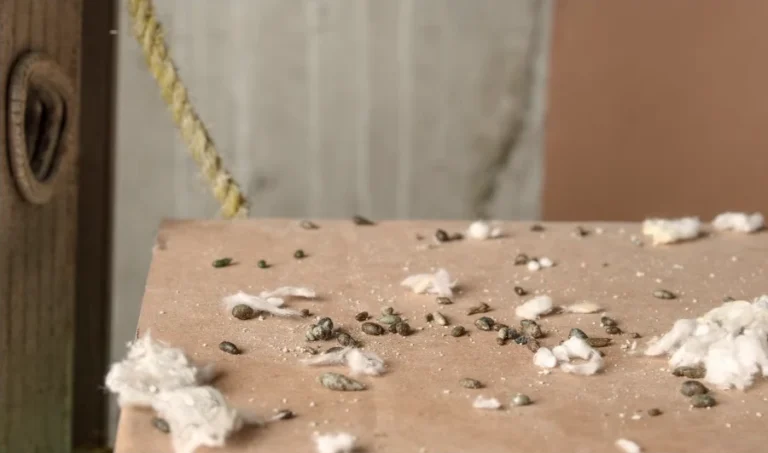
Dropping size can help distinguish a larger rat from a mouse, but it is not a reliable stand-alone method for separating roof rats from Norway rats. Location may provide additional context: activity in upper roof spaces can be consistent with roof rats, while burrows and lower-level signs may fit Norway rat behavior. A property can also have more than one rodent species.
Which rat is more likely to enter an attic?
Roof rats are particularly associated with elevated routes and attic spaces, but Norway rats can also access buildings and concealed voids. Do not assume species based only on the room where a sound is heard. Check for access points, droppings, gnawing, and other evidence.
Why identification matters for control
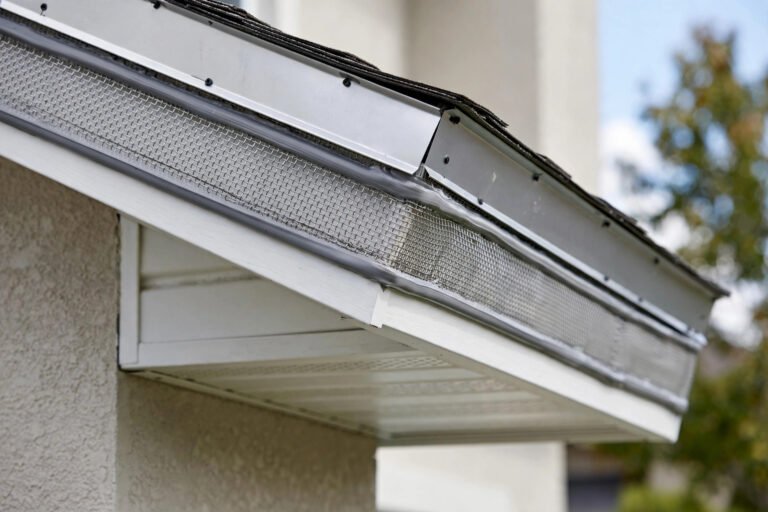
Species and route information can help a provider decide where to inspect and which access points deserve attention. A plan that focuses only on a ground-level burrow may miss an elevated route; a plan that focuses only on roof edges may overlook foundation openings. Correct identification should be paired with a building-wide assessment.
What to do after seeing a rat
Do not attempt to catch or handle it. Keep pets and children away, secure food and waste, and note the location and direction of travel. If possible, take a photograph from a safe distance without cornering the animal. A provider can confirm whether the evidence supports a species identification and discuss available service options.
Need help assessing rodent activity?
If you have recurring signs, activity in an attic or wall void, or contamination that you cannot safely assess, you can review the relevant Houston rodent-control service information and request details from an independent provider. The provider must confirm whether the requested inspection, removal, cleanup, exclusion, or repair is within its scope, along with current availability and pricing.
Frequently asked questions
What is the difference between a roof rat and a Norway rat?
Roof rats are usually slimmer and better adapted to climbing; Norway rats are generally stockier and more associated with ground-level burrows and shelter.
Are roof rats smaller than Norway rats?
Roof rats are commonly more slender and often lighter, while Norway rats tend to be heavier-bodied. Individual size varies.
Do roof rats climb better than Norway rats?
Roof rats are especially agile climbers and commonly use elevated routes. Norway rats can climb too, so climbing alone does not prove the species.
Where do roof rats make their nests?
They may nest in attics, roof voids, dense vegetation, trees, and other protected elevated locations.
Are roof rats common in Texas?
Roof rats occur in parts of Texas, but presence varies by location and habitat. A local sighting should be assessed from the evidence rather than assumed.
Related resources
Authoritative source note: UC IPM, Pest Notes: Rats (revised June 2024).