What Does a Rat Nest in an Attic Look Like? Materials, Locations, and Warning Signs
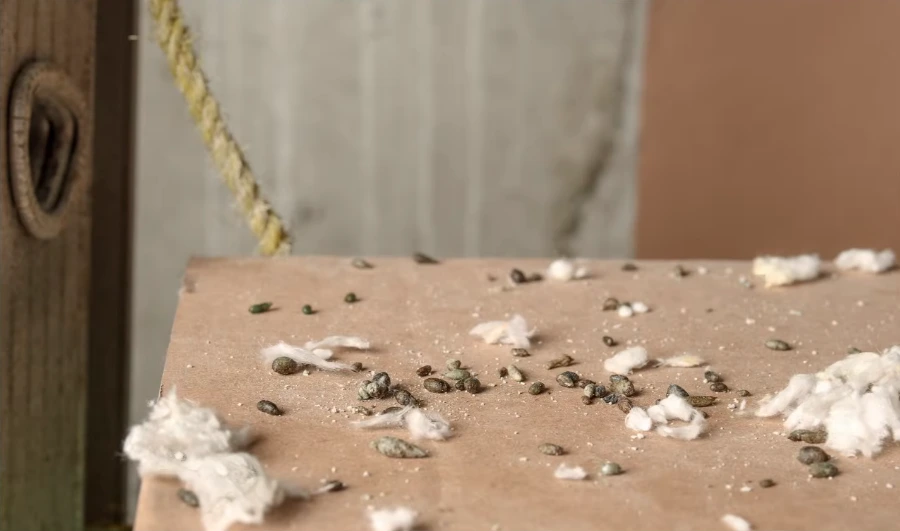
A rat nest in an attic may look like a loose bundle of shredded material tucked into a protected corner, insulation pocket, or concealed void. It may contain paper, fabric, dried plant matter, insulation, or other materials collected from nearby areas. A nest is not always obvious: rodents can use existing cavities and sheltered spaces without building a neat, visible structure. If you find suspected nesting material, do not handle or pull it apart. A rat nest in attic insulation or stored material may be difficult to spot until other activity clues appear.
What does a rat nest look like?
A nest may be a compact or loosely arranged collection of soft materials. It can resemble shredded paper, fibrous insulation, cloth, leaves, or packaging gathered in one place. The appearance varies with the materials available and the location.
Common nesting materials
Rats may use paper, cardboard, fabric, dried vegetation, insulation, and other soft debris. Materials can be carried from storage areas or collected near the building. Nesting material mixed with droppings or urine should be treated as potentially contaminated.
Where roof rats may nest in attics
Roof rats may use sheltered spaces near eaves, roof intersections, stored items, insulation, and wall or ceiling voids. They may also access dense vegetation or other elevated outdoor shelter. A nest location does not always reveal the entry point.
Where mice may build nests
House mice also use shredded paper, fabric, insulation, and other soft materials. Their nests may be smaller, but size is not a reliable way to identify the species. If the animal is not seen, use multiple signs or seek an informed assessment.
Droppings, urine, and other signs near a nest
Droppings, urine staining, gnaw marks, tracks, and a persistent odor may appear near a nesting site. Do not sweep, vacuum, or disturb these materials. CDC guidance explains that contaminated particles can become airborne when rodent waste is disturbed.
Why nests can be hidden
Insulation, stored boxes, roof framing, and wall cavities can conceal activity. Do not step on areas covered by insulation or assume that a visible nest is the only contaminated location. Attic access may also involve fall, electrical, heat, and structural hazards.
Why disturbing a nest creates concerns
Handling a nest can expose a person to rodent waste, parasites, sharp debris, or contaminated dust. It may also disturb live animals. Keep others away and seek appropriate cleanup guidance, particularly if the material is extensive or in an inaccessible area.
What to do if you discover a rodent nest
Leave it undisturbed, note its location from a safe distance, and avoid moving nearby insulation or stored items. If the nest is in an occupied building, attic, or ventilation-related space, ask a qualified provider about inspection and cleanup scope. Addressing the entry route is also important to reduce repeat activity.
Need help assessing rodent activity?
If you have recurring signs, activity in an attic or wall void, or contamination that you cannot safely assess, you can review the relevant Houston rodent-control service information and request details from an independent provider. The provider must confirm whether the requested inspection, removal, cleanup, exclusion, or repair is within its scope, along with current availability and pricing.
Frequently asked questions
What do rat nests look like?
They may appear as bundles of shredded paper, fabric, insulation, or dried plant material in a protected location.
Where do roof rats build nests?
They may use attics, roof voids, trees, dense vegetation, and other elevated sheltered areas.
Do rats nest in attic insulation?
They may use or disturb insulation as nesting material or shelter, but signs should be assessed carefully.
Can mice and rats use the same nesting materials?
Yes. Both can use paper, fabric, insulation, and plant material, so nesting material alone may not identify the species.
Should I remove a rat nest myself?
Do not disturb a suspected nest. Rodent waste and nesting materials require careful handling, and heavy contamination may need specialized precautions.
Related resources
Authoritative source note: CDC, How to Clean Up After Rodents.