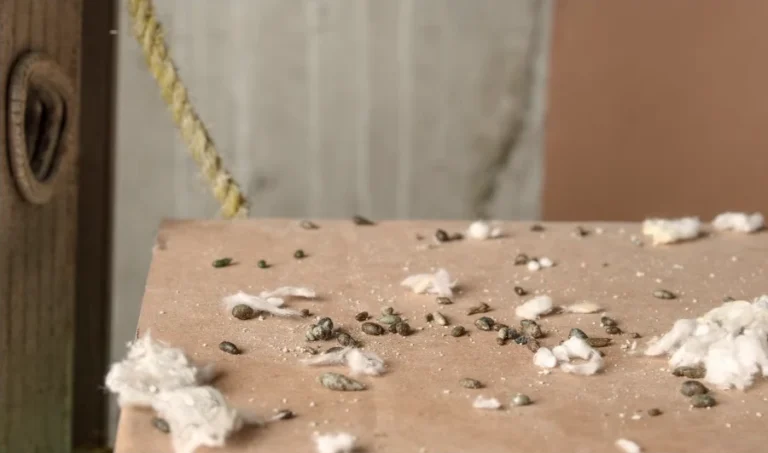
Can Mouse and Rat Droppings Make You Sick? Health Risks and Exposure Concerns
Mouse and rat droppings can be a health concern because rodents may carry germs and contaminate surfaces, food, and nearby materials. The risk depends on the rodent species, the pathogen, the location, and how a person is exposed. Finding droppings does not mean someone has become infected, and not every rodent carries the same disease. Avoid disturbing the material and follow current public-health cleanup guidance. Searches for mouse feces diseases reflect a real concern, but health risk depends on the rodent, pathogen, and type of exposure.
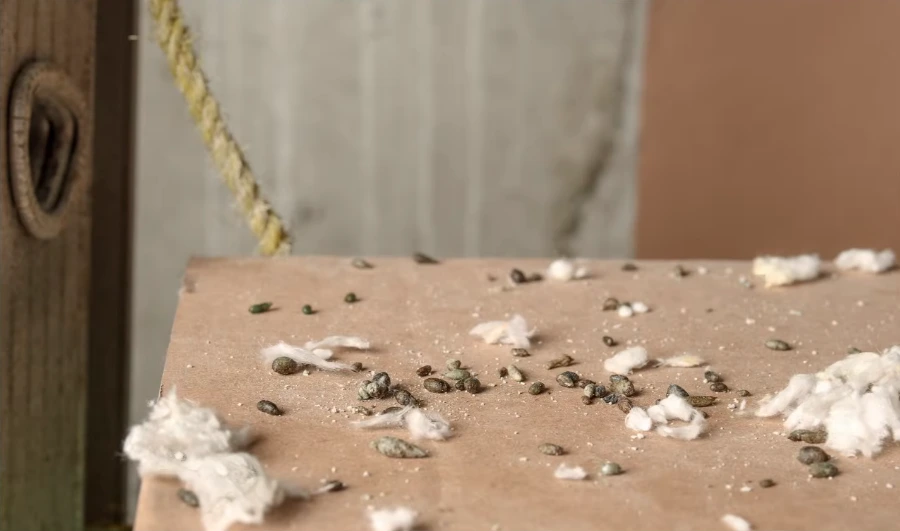
Can rodent droppings pose health risks?
Yes. Some infections associated with rodents can spread through contact with contaminated materials, bites, food contamination, or inhalation of particles from urine, droppings, or saliva. The specific risks differ by region and rodent species. A person cannot identify a pathogen by looking at droppings.
Diseases associated with rodents and their waste
Rodents are associated with several diseases in different parts of the world. Hantavirus infection is linked to exposure to infected rodent urine, droppings, or saliva; other rodent-associated illnesses have different transmission routes. Do not assume that every rat or mouse carries hantavirus or that every exposure causes illness. Consult CDC and Texas public-health sources for current, location-relevant information.
How exposure can occur
Potential routes include breathing contaminated particles after waste is disturbed, touching contaminated material and then touching the eyes, nose, or mouth, or handling an infected animal. Rodents may also contaminate food and food-contact surfaces. The exact risk cannot be determined from the presence of droppings alone.
Why dry sweeping or vacuuming is unsafe
Sweeping or vacuuming can disperse contaminated particles into the air. CDC specifically advises against vacuuming or sweeping rodent urine, droppings, and nesting materials before appropriate disinfection. Follow the current CDC procedure and product-label instructions.
What to do if you discover droppings
Keep children and pets away. Do not touch, sweep, or vacuum the material. For a small, accessible area, follow the CDC’s current cleanup steps, including ventilation, gloves, wet disinfection, and careful disposal. Heavy infestations, enclosed spaces, or contamination in HVAC systems require additional caution and may call for professional assistance.
When medical advice may be appropriate
If someone develops symptoms after a possible rodent exposure, contact a healthcare professional promptly and explain the exposure and timing. This article cannot diagnose illness or determine individual risk. For urgent or severe symptoms, seek urgent medical care.
When professional cleanup may be necessary
Consider qualified cleanup assistance when waste is widespread, located in an attic or crawl space, mixed with insulation, or associated with ventilation systems. Ask what protective procedures, removal scope, and disposal methods the provider uses.
How exclusion helps reduce future contamination
Cleanup addresses existing waste; exclusion and sanitation help reduce the chance of new activity. Seal appropriate openings, store food securely, manage trash, and remove accessible shelter and water sources.
Need help assessing rodent activity?
If you have recurring signs, activity in an attic or wall void, or contamination that you cannot safely assess, you can review the relevant Houston rodent-control service information and request details from an independent provider. The provider must confirm whether the requested inspection, removal, cleanup, exclusion, or repair is within its scope, along with current availability and pricing.
Frequently asked questions
Can mouse droppings make you sick?
They can present a health risk if contaminated material contains a pathogen and exposure occurs. The presence of droppings does not prove infection.
What diseases can rat droppings carry?
The possible diseases vary by species and geography. Use CDC and local public-health sources rather than assuming a particular pathogen from appearance.
Can you get sick from touching mouse poop?
Risk depends on contamination and whether material reaches the eyes, nose, mouth, or broken skin. Avoid handling droppings and follow official cleanup guidance.
Can mouse urine cause illness?
Some rodent-associated infections can involve exposure to urine. Do not disturb contaminated material.
Is it safe to vacuum rodent droppings?
No. CDC advises not to vacuum or sweep rodent droppings, urine, or nesting material because doing so can put contaminated particles into the air.
Related resources
Authoritative source note: CDC cleanup guidance; Texas DSHS hantavirus information.