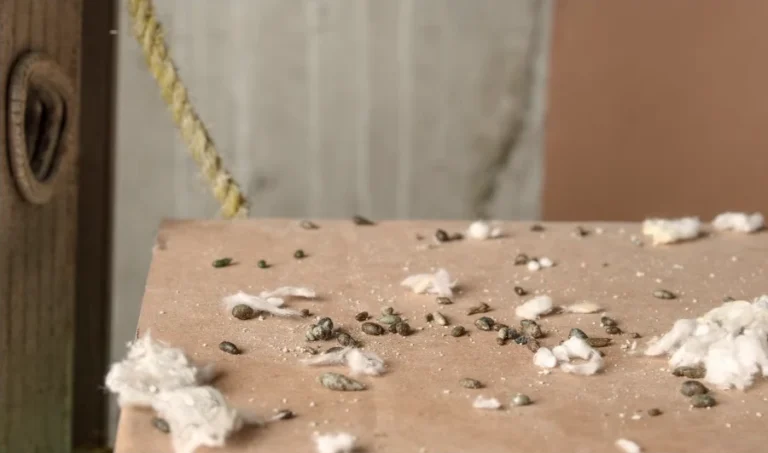
Hantavirus and Rodents: What Houston Homeowners Should Know About Exposure
Hantavirus is a group of viruses associated with certain rodents. People can become infected through exposure to virus particles in an infected rodent’s urine, droppings, or saliva, particularly when contaminated material is disturbed and becomes airborne. Hantavirus infection is uncommon, but some forms can cause serious illness. Risk varies by virus, rodent species, and geography; finding ordinary household mouse droppings does not establish hantavirus exposure. Hantavirus symptoms can resemble other illnesses at first, so possible exposure should be discussed with a healthcare professional.
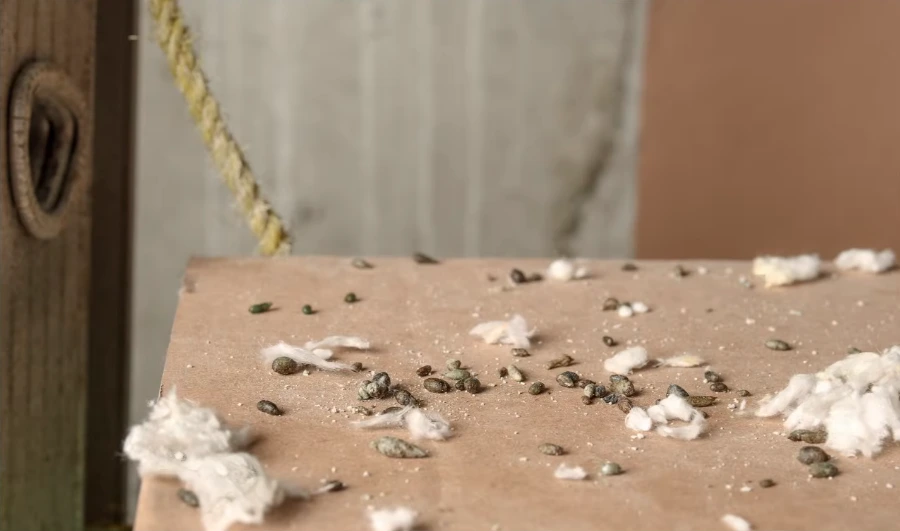
What is hantavirus?
Hantaviruses are a group of viruses carried by certain rodent species. In the Americas, some hantaviruses can cause hantavirus pulmonary syndrome (HPS), a serious illness affecting the lungs. Other hantaviruses elsewhere in the world can cause different syndromes. The term does not refer to one single disease with identical risks everywhere.
This article is a short overview for homeowners; the full hantavirus guide covers symptoms, spread and safe cleanup in detail.
How can hantavirus exposure occur?
People may be exposed by breathing air contaminated with particles from infected rodent urine, feces, or saliva. Contact with contaminated materials followed by touching the eyes, nose, or mouth may also create exposure. Activities that disturb rodent waste in enclosed or poorly ventilated spaces can increase concern.
Which rodents are associated with hantavirus?
Only certain rodent species carry particular hantaviruses. In the United States, deer mice are the principal reservoir associated with Sin Nombre virus, the cause of most HPS cases. Do not assume that every house mouse or rat carries the virus. Texas DSHS provides state-specific information and should be consulted for local guidance.
Can house mice carry hantavirus?
The common house mouse is not the principal reservoir for Sin Nombre virus in the United States. However, rodent species and hantavirus strains differ around the world, so broad statements that all mice are safe or all mice carry hantavirus are inaccurate. Species identification and local public-health guidance matter.
What are possible hantavirus symptoms?
Early symptoms can resemble other illnesses and may include fever, fatigue, and muscle aches. HPS can progress to cough and difficulty breathing. Symptoms and timing vary by virus. This article is not a diagnostic tool; anyone concerned about possible exposure and illness should contact a healthcare professional promptly and mention the rodent exposure.
How to reduce exposure when rodents are found indoors
Avoid disturbing droppings, urine, nests, or carcasses. Do not sweep or vacuum rodent waste. Follow CDC cleanup instructions for the setting, and seek specialized help for heavy infestations or contaminated ventilation systems. Seal openings and reduce food, water, and shelter sources to limit rodent access.
Why rodent waste should not be disturbed carelessly
Dry disturbance can put contaminated particles into the air. The CDC specifically warns against sweeping or vacuuming rodent urine, droppings, and nesting materials. Use current public-health procedures rather than improvised household methods.
Where to find reliable information
For current U.S. guidance, consult the CDC’s hantavirus and rodent cleanup resources. Texas residents can also consult the Texas Department of State Health Services. For personal symptoms or a possible exposure, contact a healthcare professional or local public-health authority.
Need help assessing rodent activity?
If you have recurring signs, activity in an attic or wall void, or contamination that you cannot safely assess, you can review the relevant Houston rodent-control service information and request details from an independent provider. The provider must confirm whether the requested inspection, removal, cleanup, exclusion, or repair is within its scope, along with current availability and pricing.
Frequently asked questions
What are the symptoms of hantavirus in humans?
Symptoms depend on the virus. HPS may begin with fever, fatigue, and muscle aches and can progress to cough and breathing difficulty. The full hantavirus guide explains the symptom stages and when to seek care; seek medical advice promptly for symptoms after possible exposure.
Can you get hantavirus from mouse droppings?
Exposure is possible if droppings from an infected rodent contain virus and contaminated particles are inhaled or otherwise enter the body. Not all mice carry hantavirus. The guide’s safe cleanup steps show how to handle droppings without stirring up contaminated dust.
Do house mice carry hantavirus?
The common house mouse is not the main U.S. reservoir for Sin Nombre virus. Hantavirus risks differ by species and geography.
Can rats transmit hantavirus?
Some rodent species carry particular hantaviruses, but risk depends on the virus and host species. Do not generalize across all rats.
Is hantavirus contagious between people?
Most hantaviruses are not spread person-to-person. The documented exception is Andes virus, which is associated with South America. The full hantavirus guide explains how exposure does and does not happen.
What should I do after possible rodent exposure?
If you are concerned, contact a healthcare professional or local public-health authority and describe the exposure. If symptoms develop, seek medical advice promptly.
Related resources
Authoritative source note: CDC, Hantavirus; Texas DSHS, Hantavirus information.