Dead Rat in the Wall: How to Recognize the Smell and Locate the Source
A strong, localized odor that seems to come from a wall, ceiling, or enclosed space can raise concern that a rodent has died inside the structure. The smell alone cannot confirm the source: plumbing problems, moisture, spoiled material, and other causes may produce unpleasant odors. Avoid cutting into walls or ceilings without understanding what is behind them. Start by documenting the location and checking for other signs from a safe position. A dead rat in wall smell may suggest a concealed source, but plumbing, moisture, and other issues can produce similar odors.
What does a dead rat smell like?
People often describe the odor of a decomposing animal as strong, unpleasant, and persistent. The exact smell varies with the animal, location, temperature, moisture, and ventilation. Descriptions are subjective, so smell should be treated as a clue rather than proof.
Why a dead rodent can create a persistent odor
Decomposition releases compounds that can produce an intense smell. In a wall cavity or ceiling void, the source may be enclosed, making the odor noticeable through small gaps or nearby openings. Warm conditions may change how quickly the odor develops and how strongly it is perceived.
Where a dead rodent may be located
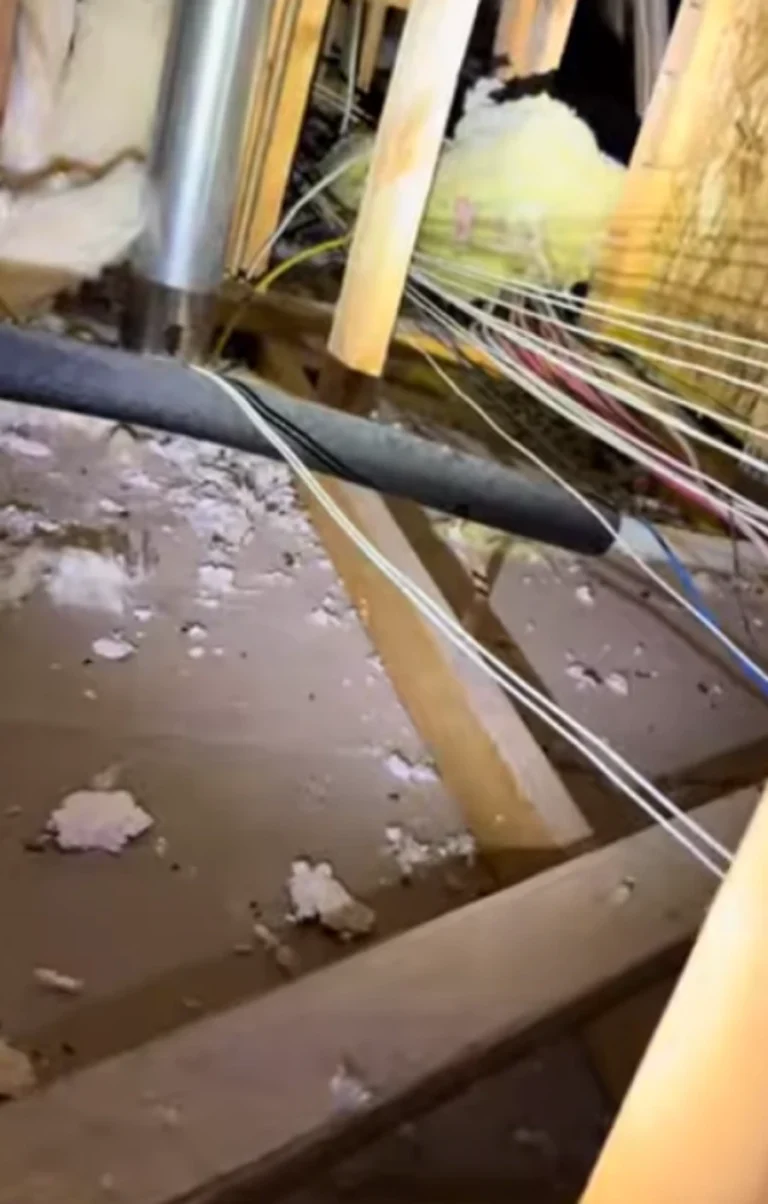
Possible locations include wall voids, ceilings, attic insulation, crawl spaces, cabinets, and spaces behind fixed equipment. Odor may travel along cavities or through air movement, so the strongest-smelling room may not be directly beside the source.
Other signs that may accompany the smell
You may notice flies, previous scratching sounds, droppings, gnaw marks, or a recent rodent sighting. None of these clues alone confirms a carcass. Also consider plumbing leaks, damp building materials, drain issues, and spoiled items.
Why masking the odor may not solve the problem
Air fresheners, fragrances, and temporary ventilation may reduce how noticeable an odor is, but they do not remove a concealed source. If the smell returns or remains localized, investigate the underlying cause rather than relying on masking products.
Why opening walls or ceilings requires care
Walls and ceilings may contain electrical wiring, plumbing, insulation, structural components, and HVAC lines. Cutting blindly can cause injury or property damage. Suspected electrical issues require a qualified electrician; structural or plumbing work may require other trades.
When professional dead rodent removal may be needed
If the odor is persistent, appears to originate in an inaccessible void, or is accompanied by signs of rodent activity, ask a qualified provider whether they offer location assessment and carcass removal. Confirm whether opening and repairing building materials is included or requires another contractor.
Addressing the source and preventing recurrence
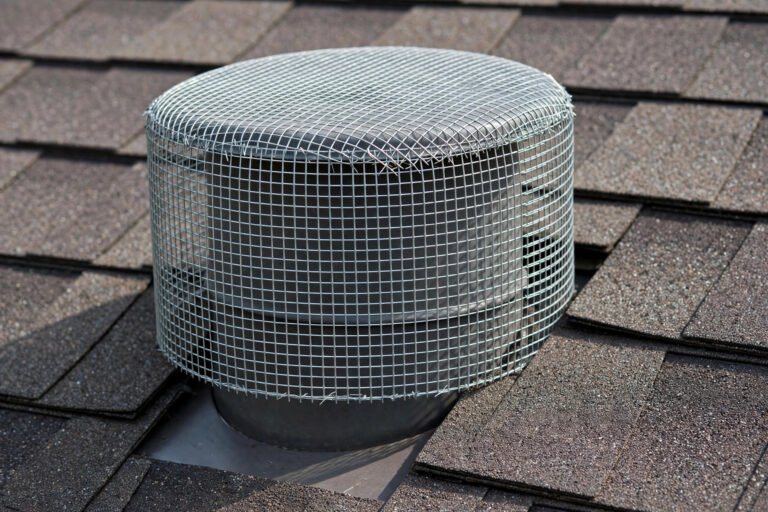
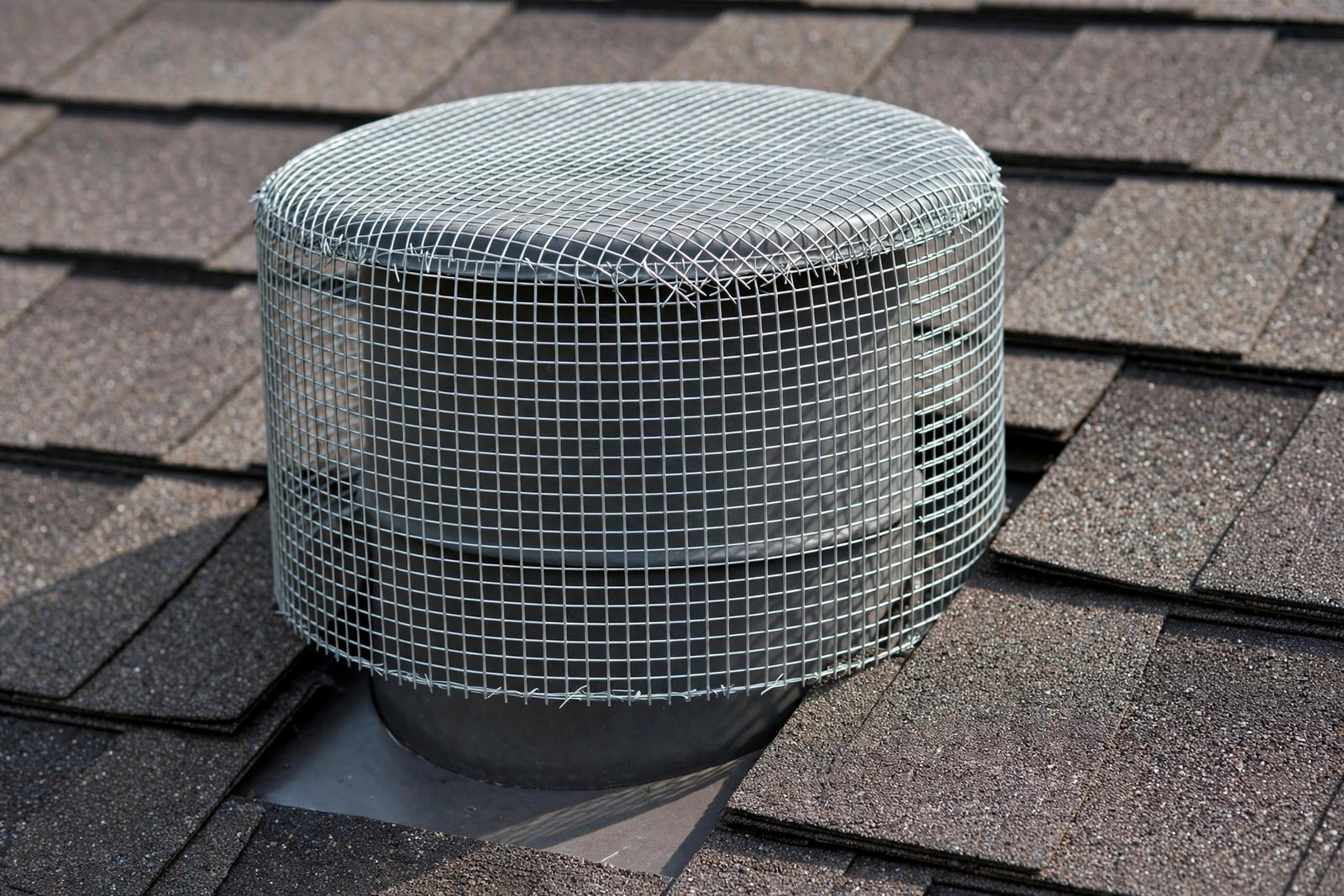
After the source is addressed, determine how the rodent entered. Check roofline gaps, vents, utility penetrations, and other openings. Cleanup, odor treatment, and exclusion may be separate services, so clarify the scope before authorizing work.
Need help assessing rodent activity?
If you have recurring signs, activity in an attic or wall void, or contamination that you cannot safely assess, you can review the relevant Houston rodent-control service information and request details from an independent provider. The provider must confirm whether the requested inspection, removal, cleanup, exclusion, or repair is within its scope, along with current availability and pricing.
Frequently asked questions
How do I know if a rat died inside my wall?
A strong localized odor, prior rodent noises or sightings, and insect activity may raise suspicion, but they do not prove the source.
Can a dead mouse cause a strong smell?
Yes. A small carcass in an enclosed space can produce a noticeable odor, although other causes should also be considered.
How long can a dead rodent smell last?
There is no reliable fixed duration. Conditions, location, ventilation, and whether the source is removed all affect how long an odor remains.
Can air fresheners remove dead rat odor?
They may mask the smell temporarily but do not remove the source.
Should I open a wall to find a dead rat?
Do not cut blindly. Hidden wiring, plumbing, and structural components may be present. Seek appropriate assessment.
Related resources
Authoritative source note: CDC, How to Clean Up After Rodents.