Dead Rodent in the Attic: Odor Sources, Contamination, and Cleanup Considerations
A dead rodent in an attic can be difficult to locate because insulation, roof framing, stored items, and enclosed voids can conceal the source. A persistent odor may be one clue, but it is not proof: moisture, plumbing, and other building issues can smell similar. Attics also contain fall hazards, heat, wiring, and potentially contaminated rodent waste. Avoid disturbing the space until you understand the risks and the appropriate next step. A suspected dead rodent in attic should be assessed carefully because access and contamination can create additional hazards.
Why dead rodents can be difficult to locate
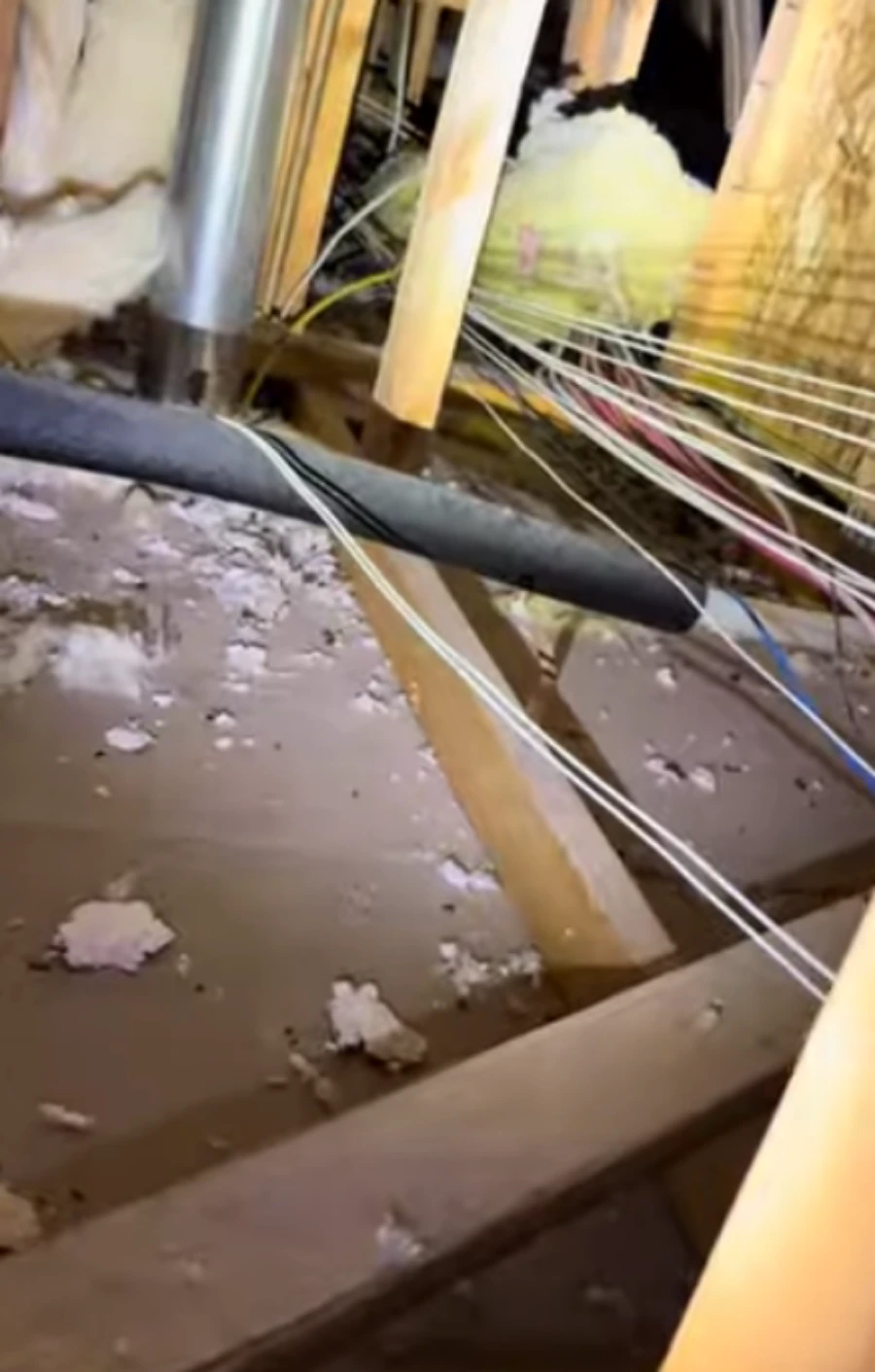
A carcass may be beneath insulation, behind stored materials, near an eave, or inside a wall or ceiling void connected to the attic. Odor can travel through gaps and airflow, so the strongest smell may not identify the exact location.
Common signs of a dead rodent in attic spaces
Possible clues include a persistent localized odor, flies, previous scratching or running sounds, droppings, nesting material, or a recent sighting. None of these clues is definitive. Consider other sources such as moisture-damaged materials or plumbing problems.
How odor can spread from an attic
Air movement through ceiling penetrations, access hatches, recessed fixtures, and duct-related pathways may carry odor into occupied rooms. Do not assume the carcass is inside an HVAC duct because a smell is noticeable near a vent.
Droppings, nesting materials, and other contamination
A dead animal may be near droppings, urine, or nesting material. These materials require careful handling. CDC advises against sweeping or vacuuming rodent waste and provides specific wet-disinfection procedures for appropriate cleanup situations.
Why attic access and cleanup require care
Attics may have limited headroom, exposed nails, electrical wiring, unstable ceiling surfaces, high temperatures, and insulation that hides joists. Do not step onto drywall or disturb suspected contamination. Heavy infestations require additional precautions.
When insulation or other materials may need assessment
Insulation contaminated with rodent urine or droppings may need removal rather than simple surface cleaning. CDC guidance describes bagging exposed contaminated insulation for removal. The amount, type, and location of material determine the appropriate scope.
When to consider professional dead rodent removal
Consider qualified help when the carcass is concealed, access is unsafe, odor persists, or waste and insulation are affected. Ask whether the provider offers location assessment, carcass removal, waste cleanup, disinfection, insulation handling, and odor treatment. These may be separate services.
Addressing entry points to reduce repeat problems
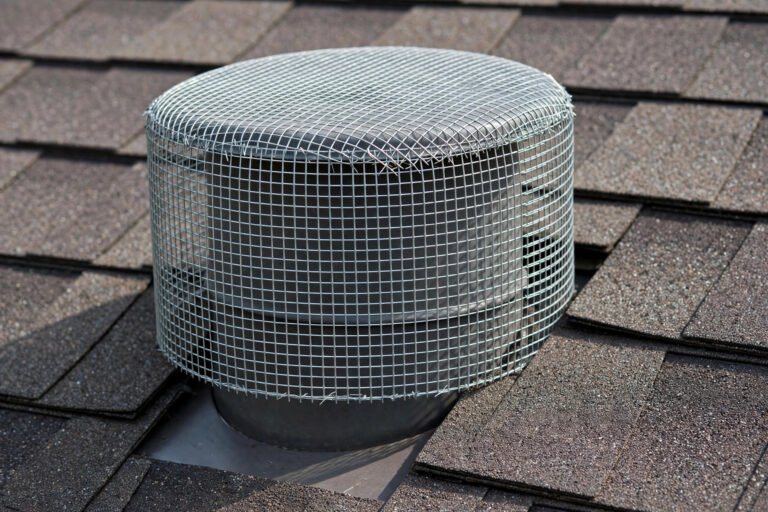
Once the source is addressed, investigate how the rodent accessed the attic. Roofline gaps, damaged vents, soffit openings, and utility penetrations may need repair. Confirm whether the service provider performs repairs or whether a roofer or other contractor is required.
Need help assessing rodent activity?
If you have recurring signs, activity in an attic or wall void, or contamination that you cannot safely assess, you can review the relevant Houston rodent-control service information and request details from an independent provider. The provider must confirm whether the requested inspection, removal, cleanup, exclusion, or repair is within its scope, along with current availability and pricing.
Frequently asked questions
How do I know if a dead rat is in my attic?
A localized persistent odor, prior rodent sounds, droppings, nesting material, or insect activity may raise suspicion, but they do not confirm the source.
Can a dead mouse in the attic smell throughout the house?
Odor may travel through gaps and airflow into occupied rooms, depending on the building layout.
Can dead rodents contaminate attic insulation?
Rodent urine, droppings, and nesting material can contaminate nearby insulation. CDC guidance recommends bagging exposed insulation contaminated with urine and droppings for removal.
Should I remove a dead rodent from the attic myself?
Do not enter an unsafe attic or disturb contaminated material. Follow CDC guidance and seek qualified assistance when the source is concealed or contamination is extensive.
Does attic sanitation remove rodent odors?
Sanitation may address contaminated material, but odor control also depends on locating and removing the source and assessing affected materials.
How can rodents be prevented from returning to the attic?
Identify and repair access openings, maintain vent screens and roofline components, and reduce food and shelter opportunities around the property.
Related resources
Authoritative source note: CDC, How to Clean Up After Rodents.