How to Seal a House Against Mice: Gaps, Pipes, Doors, and Other Vulnerable Areas
Sealing a house against mice starts with finding the openings they use, not simply filling every visible crack. Mice can pass through very small gaps, including openings around pipes, cables, doors, vents, and roof structures. Durable exclusion requires materials suited to the location and must preserve ventilation, drainage, and utility safety. If rodents are already inside, consider how to address existing activity before closing an opening that could trap an animal in a wall or ceiling void. The phrase sealing house from mice is often used for exclusion work, but successful repairs must match each opening and building material.
Why mice can enter through small openings
A mouse’s flexible body allows it to use openings that appear too small to be a concern. The CDC states that mice can fit through a hole about 1/4 inch (6 mm) in diameter. Damaged edges and gaps around service lines deserve attention even when they are not obvious from across a room.
Inspect gaps around pipes and cables
Check under sinks, behind washing machines, around water heaters, and where utility lines enter the building. Use a flashlight and record openings. Do not disturb gas lines, electrical systems, fire-rated assemblies, or plumbing connections; use qualified tradespeople where repairs involve those systems.
Check doors and garage-door seals
Look for daylight under exterior doors, worn weather stripping, damaged thresholds, and corner gaps along garage doors. Replace worn seals with products designed for the door. A door that closes unevenly may need adjustment rather than a simple adhesive strip.
Inspect vents and exterior openings
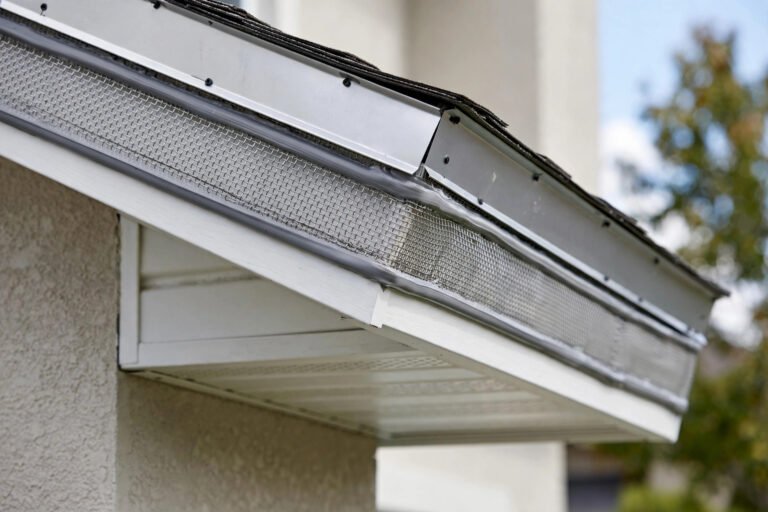
Check attic, crawl-space, dryer, and other vents for damaged or missing screens. Any repair must preserve the vent’s function and comply with building requirements. Do not cover vents with solid material just to block rodents.
Materials used for rodent exclusion
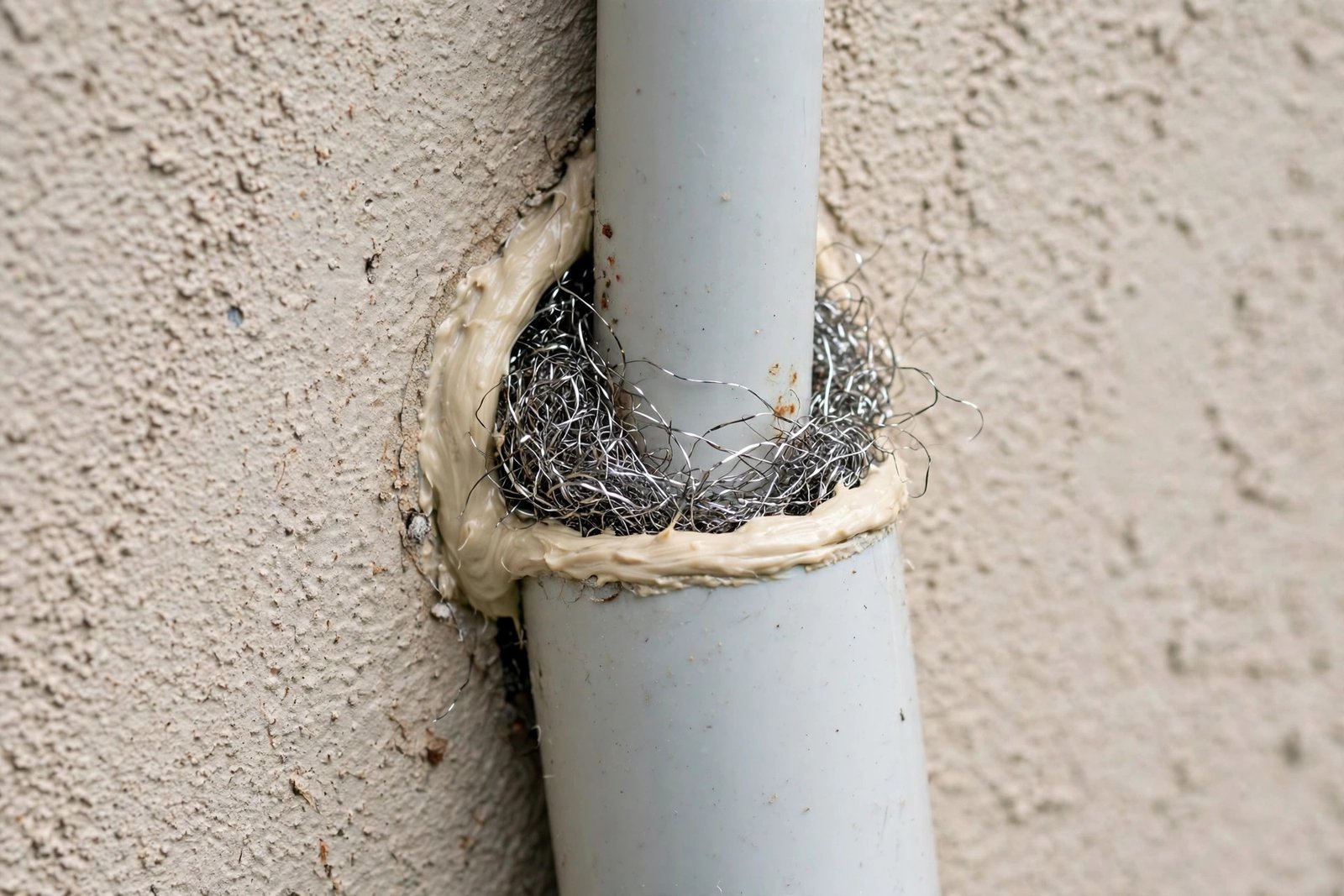
The CDC describes options such as steel wool with caulk for small holes and metal screen, hardware cloth, metal sheeting, or cement for larger openings, depending on the situation. The correct choice depends on the substrate, moisture, movement, fire safety, and the size of the gap.
Why expanding foam alone may not be enough
Foam can fill irregular spaces but may not provide a durable gnaw-resistant barrier on its own. It may be useful as part of a properly designed repair, but exposed foam should not be treated as a universal rodent-proof solution.
Should you seal a hole while mice are still inside?
Do not blindly close a suspected active opening. If animals are inside a wall or attic, sealing the route without a plan may trap them in the structure. First determine whether activity is ongoing and how animals will be removed or allowed to exit safely.
How to monitor after sealing
After repairs, continue checking for fresh droppings, gnaw marks, or sounds. Use safe cleanup methods and do not disturb waste. If signs continue, the opening you repaired may not have been the only route.
When professional rodent proofing may help
A provider can help identify likely access points and explain exclusion options. Confirm whether the provider performs repairs or only identifies them. Roof, electrical, plumbing, and structural repairs may require separate qualified contractors.
Need help assessing rodent activity?
If you have recurring signs, activity in an attic or wall void, or contamination that you cannot safely assess, you can review the relevant Houston rodent-control service information and request details from an independent provider. The provider must confirm whether the requested inspection, removal, cleanup, exclusion, or repair is within its scope, along with current availability and pricing.
Frequently asked questions
How do I seal my house against mice?
Inspect inside and outside for gaps, choose durable materials suited to each opening, preserve ventilation and utility safety, and monitor for continuing activity.
What material can help block mouse entry points?
Depending on the opening, options may include metal mesh or screen, hardware cloth, cement, metal sheeting, steel wool with an appropriate sealant, or a professionally selected repair.
Can mice chew through expanding foam?
Foam alone should not be relied on as a durable gnaw-resistant barrier.
How small a gap can a mouse enter through?
CDC says a mouse can fit through a hole about 1/4 inch (6 mm) wide.
Should I seal a hole while mice are still inside?
Do not close a suspected active route without understanding whether animals may be trapped inside. Plan removal and exclusion together.
Related resources
Authoritative source note: CDC, How to Seal Up to Prevent Rodents.