Roof Rat Prevention: Trees, Rooflines, Landscaping, and Exterior Maintenance
Roof rat prevention focuses on reducing climbing routes, closing building openings, and limiting outdoor food and shelter. Because roof rats are agile climbers, prevention should include the roofline as well as the ground around the foundation. No single landscaping change guarantees a rodent-free property; a practical plan combines exterior maintenance, sanitation, and monitoring.

Why elevated access routes matter
Roof rats can use trees, fences, vines, cables, and other connected structures to reach roof edges. Once near the roof, they may find gaps at soffits, vents, fascia, or utility penetrations. Inspect the route from the ground and note where vegetation or structures meet the building.
Trees and branches near rooflines
Branches touching or overhanging the roof may provide access. Pruning can reduce connectivity, but avoid unsafe ladder work and never prune near electrical lines yourself. Use a qualified tree-care professional when work is elevated or close to utilities.
Roof gaps, vents, and damaged screens
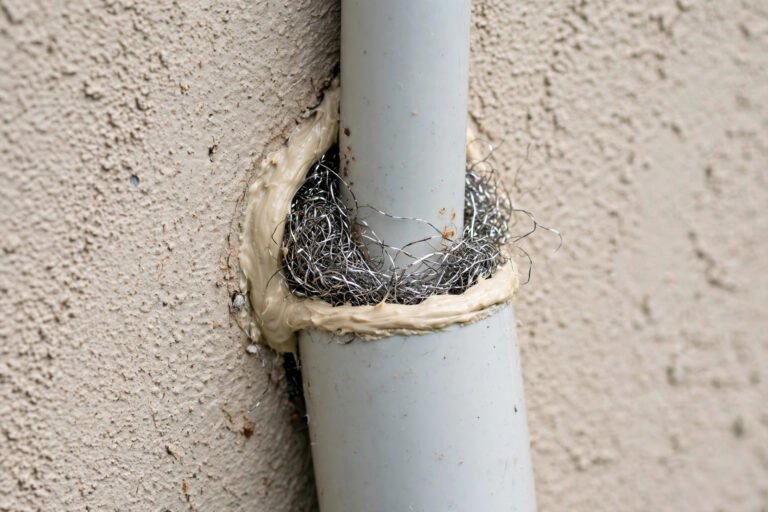
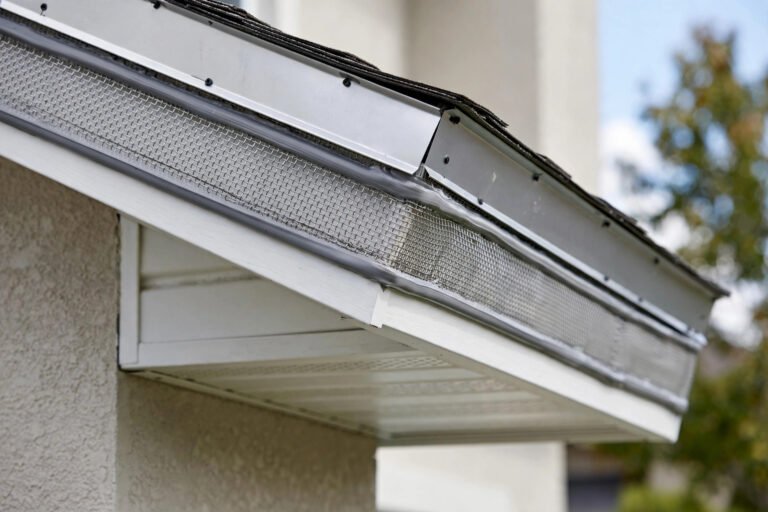
Repair loose soffit panels, damaged fascia, roofline gaps, and missing vent screens. Preserve ventilation and use durable screening suitable for the opening. A solid cover over a vent can create moisture or building-performance problems.
Outdoor food and waste sources
Bird seed, pet food, fallen fruit, unsecured trash, compost, and spilled animal feed may attract rodents. Use containers with tight-fitting lids, clean spills, and avoid leaving food outdoors overnight. Consider whether feeders or compost locations are close to the structure.
Storage and vegetation around buildings
Dense vegetation, debris piles, and clutter can provide shelter and conceal movement. Keep the perimeter reasonably maintained and store firewood or materials away from the building where feasible. Do not remove habitat in a way that creates other safety or drainage problems.
Signs roof rats may already be present
Look for droppings, gnaw marks, damaged screens, nesting material, and repeated sounds in attic spaces. These signs may overlap with other rodents. Avoid disturbing contaminated material and do not climb onto the roof to investigate.
Practical roof rat prevention measures
Maintain roofline components, manage branches, secure food and waste, reduce clutter, and inspect accessible vents and utility penetrations. Record repairs and check for new signs after work is completed.
When professional exclusion may be needed
If signs recur or entry points are concealed, a qualified provider may help assess likely routes. Ask whether the provider completes exclusion repairs or recommends repairs by a roofer, arborist, or other contractor. Confirm scope and availability directly.
Need help assessing rodent activity?
If you have recurring signs, activity in an attic or wall void, or contamination that you cannot safely assess, you can review the relevant Houston rodent-control service information and request details from an independent provider. The provider must confirm whether the requested inspection, removal, cleanup, exclusion, or repair is within its scope, along with current availability and pricing.
Frequently asked questions
How can I prevent roof rats?
Reduce climbing access, repair roofline gaps and screens, secure outdoor food and trash, and monitor for signs.
Do roof rats travel through trees?
They can use branches and connected vegetation as elevated routes to buildings.
Should tree branches be kept away from the roof?
Reducing contact between branches and the roof can help limit access. Have elevated or utility-adjacent pruning handled safely.
Where do roof rats build nests?
They may use attics, roof voids, trees, and dense vegetation.
Can roof rat prevention work without exclusion?
Sanitation and landscaping help, but accessible building openings may still need durable repairs.
Related resources
Authoritative source note: CDC, Rodent Prevention and Sealing Guidance.