
<
RAT REMOVAL IN HOUSTON, TX
Rat Removal in Houston, TX
Rats can be difficult to deal with because they often stay hidden in attics, wall spaces, garages, rooflines, and other areas around a property. You may hear scratching after dark, find droppings near stored items, notice gnaw marks, or see rats moving along fences and trees without knowing where they are entering.
If you suspect a rat infestation, identifying the activity and its likely source is an important first step. Rodent Control Houston helps connect Houston property owners with independent pest-control service providers for rat inspection and removal enquiries. The appropriate service will depend on the type of rat, where it is active, and the conditions around your property.
Call (713) 429-1842 to discuss suspected rat activity and request service information.
Professional Rat Removal in Houston
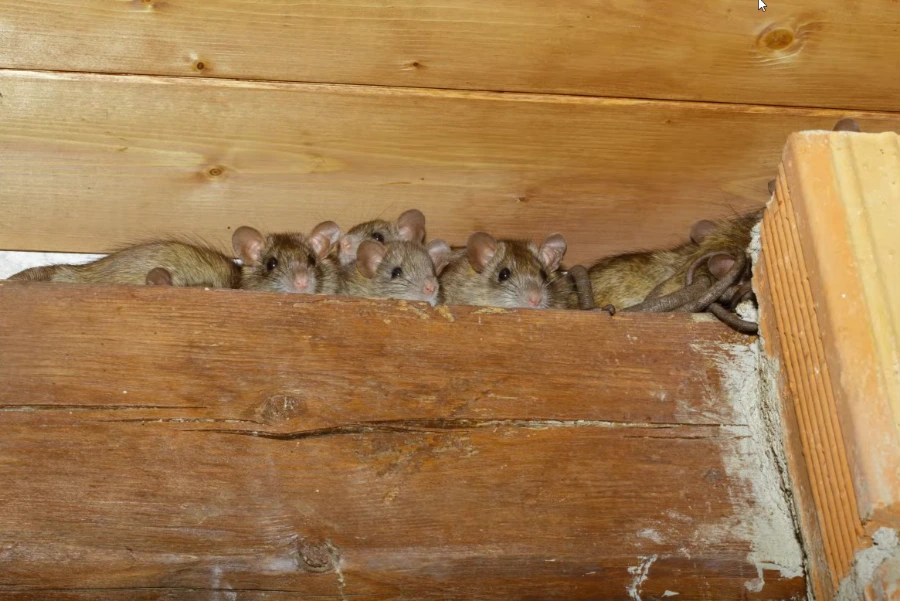
Professional rat removal is a process of assessing the signs of activity, identifying likely nesting and access areas, and selecting an appropriate control approach. Depending on the property, this may involve targeted trapping, monitoring, recommendations for sanitation, or a separate inspection for entry-point sealing.
A rat problem is not always limited to the place where you first notice it. For example, scratching in a ceiling may be connected to roofline access, while droppings in a garage may point to activity around stored materials or nearby openings.
The goal is to address the observed rat activity and understand what may be allowing it to continue—not simply place a trap wherever a rat was last seen.
A suitable plan should consider:
- Where rats have been seen or heard.
- Whether there are droppings, gnaw marks, tracks, or nesting materials.
- Whether the activity appears to involve roof rats or Norway rats .
- Possible entry points around the roof, vents, walls, garage, or foundation.
- Whether the problem is limited to one area or may involve multiple parts of the property.
- Whether exclusion or cleanup should be considered after removal.
Looking for a rat exterminator in Houston? Contact us to discuss your situation and the type of service you may need.
Signs You May Need Rat Removal
Rats are often active when people are less likely to see them. You may notice evidence before you ever see an animal. Look for changes in areas where food, shelter, or access to the building may be available.
Scratching or movement sounds
Scratching, scurrying, or movement noises in ceilings, attics, and walls may indicate rodent activity. Sounds alone cannot confirm that the animal is a rat, but repeated noises in the same area are worth investigating.
Rat droppings
Droppings may appear in garages, cupboards, storage spaces, attics, utility areas, and along routes where rodents travel. Their location and condition can help an inspector understand where activity may be occurring.
Avoid sweeping or vacuuming suspected rodent droppings. The CDC advises wetting droppings and urine with an appropriate disinfectant before cleanup rather than disturbing dry material. For significant contamination, use a qualified cleanup service.
Gnaw marks and damaged materials
Rats gnaw on different materials and may leave marks around stored goods, packaging, wood, or other accessible surfaces. Damaged food containers and repeated signs of chewing can indicate activity that needs further assessment.
Greasy marks and travel routes
Rats may repeatedly travel along walls, rafters, pipes, fences, and other edges. Greasy rub marks, tracks, or disturbed material can help indicate frequently used routes.
Burrows or outdoor activity
Holes around foundations, areas beneath stored materials, and activity near rubbish or vegetation may indicate possible outdoor rat harbourage. An inspection can help determine whether the activity is connected to the building.
If you notice several of these signs, arrange an assessment rather than assuming that one trap will resolve the entire problem.
Roof Rat Removal in Houston
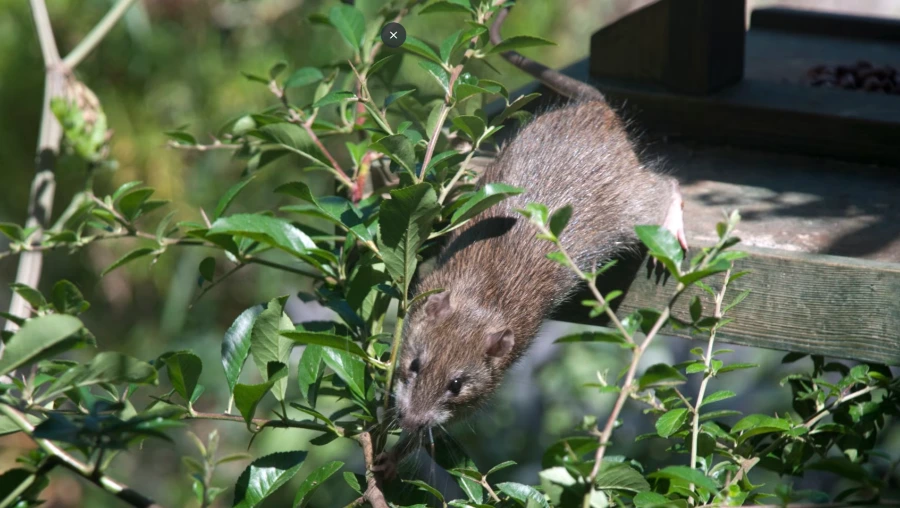
Roof rats are agile climbers and often use elevated routes to reach buildings. They may travel through trees, fences, roof edges, utility lines, or other connected structures before entering an attic or wall space.
Texas A&M AgriLife Extension explains that roof rats commonly nest in elevated areas such as attics and double walls. This is one reason roofline and attic inspection can be important when a property owner reports noises overhead.
Common signs of roof rat activity
- Scratching or movement sounds in the attic or ceiling.
- Droppings around attic access areas or storage spaces.
- Gnaw marks near roofline openings or stored materials.
- Activity around trees, fences, or other elevated routes.
- Possible openings around vents, soffits, roof edges, or utility penetrations.
How roof rat removal is approached
A roof rat assessment should consider both the interior signs and the exterior routes that may provide access. Depending on the findings, a service provider may recommend targeted trapping or other suitable control measures.
Roof rat elimination should not be treated as a one-size-fits-all task. The correct approach depends on the location of activity, the building layout, and whether entry points can be identified.
If you are searching for roof rat removal near you or comparing roof rat removal costs, ask whether the inspection includes the likely roofline access areas and whether any recommended exclusion work is included in the quotation.
For detailed work involving rodents inside attic spaces, see our Attic Rodent Removal in Houston service page.
Rat Trapping Services
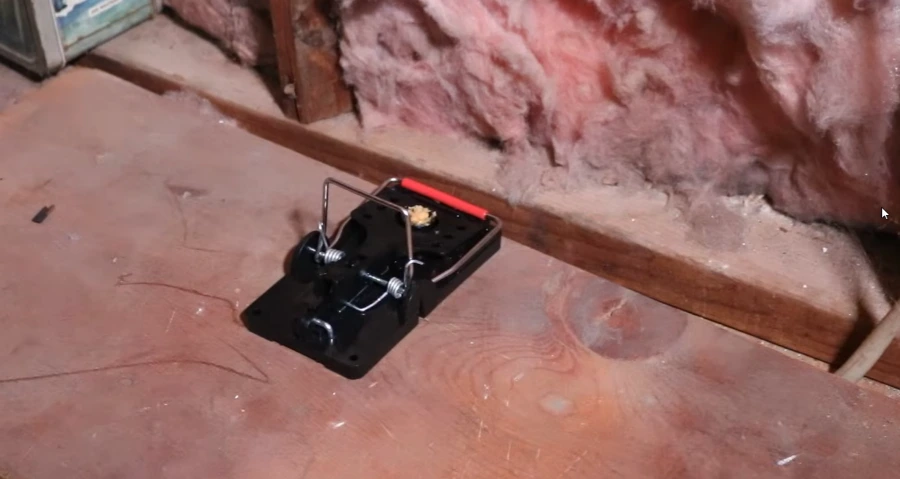
Rat trapping can be one part of a professional rat-control plan. Trap placement should be based on signs of activity, likely travel routes, access conditions, and the presence of children or pets.
A rat trapping service may involve:
- 1Reviewing the reported signs and areas of activity.
- 2Identifying suitable locations for traps.
- 3Selecting an appropriate trap type and placement method.
- 4Explaining any precautions needed around the equipment.
- 5Reviewing follow-up requirements and signs of continued activity.
Choosing a rat trapping company
When comparing rat trapping companies or rat trappers near you, ask:
- Will the provider inspect the areas where activity has been reported?
- How will trap locations be selected?
- Are follow-up visits needed?
- What should household members and pet owners avoid touching?
- Will the provider explain what happens if activity continues?
- Is entry-point inspection or exclusion available separately?
The number of traps alone does not establish whether a rat problem has been properly addressed. Placement, monitoring, and understanding the source of activity matter too.
Rat Removal from Homes
Rats can enter a home through openings around the roof, walls, garage, utility penetrations, or other accessible parts of the structure. Once inside, they may move through attics, wall voids, storage spaces, garages, and areas where food or shelter is available.
Where rats may be active inside a home
Kitchens and food-storage areas
Droppings, damaged packaging, or signs of gnawing may appear near food storage or waste areas.
Garages and storage rooms
Clutter, stored materials, and accessible food sources can provide places for rats to shelter or travel.
Walls and ceilings
Scratching or movement sounds may indicate activity in spaces that are not easily accessible.
Roof and attic spaces
Roof rats may use elevated access routes and nest in concealed areas.
How to remove rats from a house
The right approach begins with identifying the likely species and locating the areas of activity. A professional provider can assess the signs, discuss suitable removal options, and explain whether trapping, monitoring, or additional exclusion work is appropriate.
Avoid handling a live or dead rat with bare hands. Keep children and pets away from suspected activity and any traps or control equipment.
If you are wondering how to exterminate rats in a house, remember that removing an animal and preventing further entry are separate tasks. A property may need both removal and a follow-up assessment of openings that could allow rats to return.
Rat Activity in Attics
Rats in an attic can remain unnoticed until a homeowner hears movement overhead, discovers droppings, or notices damage to stored materials or insulation.
Roof rats are particularly associated with elevated nesting locations. However, the exact species should not be assumed from sounds alone.
An attic assessment may consider:
- The areas where scratching or movement is heard.
- Droppings and possible nesting material.
- Disturbed or damaged insulation.
- Roofline openings, vents, and other possible access points.
- Whether activity may extend into wall or ceiling spaces.

Need help with rats in an attic? Visit our dedicated Attic Rodent Removal in Houston page for more information about attic-specific inspection and removal.
Attic rodent removal, attic sanitation, and insulation work may involve different tasks. Ask the service provider to identify which tasks are included in the proposed scope rather than assuming that every attic service includes cleanup or insulation replacement.
How the Rat Removal Process Works
The exact process depends on the property and the findings of the service provider. A typical service enquiry and assessment may follow these steps.
Discuss the signs of rat activity
Explain what you have noticed, where it is happening, and how long it has been occurring. Mention any scratching sounds, droppings, damaged materials, or sightings.
Arrange an inspection
The service provider can assess the relevant areas and look for signs that help identify the type and location of activity. Access to an attic, garage, or other affected area may be needed where safe and practical.
Review suitable removal options
Based on the findings, the provider can explain an appropriate control plan. This may include targeted trapping, monitoring, or other suitable measures.
Discuss entry points and prevention
Removing rats does not automatically close the openings they used to enter. If access points are identified, ask whether the provider offers exclusion work or can arrange a separate assessment.
Confirm follow-up and additional work
Before work begins, confirm what is included, whether follow-up visits are required, and whether cleanup or repairs are separate services.
Rat Removal vs. Rodent Exclusion vs. Cleanup
These services are related, but they are not interchangeable.
| Service | Main purpose |
|---|---|
| Rat removal | Addresses active rat presence through suitable control methods |
| Rat trapping | Uses appropriately selected and positioned traps as part of a control plan |
| Rodent exclusion | Identifies and seals suitable access openings to reduce future entry |
| Attic rodent removal | Focuses on active rodent activity in attic spaces |
| Rodent droppings cleanup | Addresses droppings, urine, nesting materials, and contaminated debris |
A property may need more than one of these services. For example, a rat may be removed from an attic, while a separate exclusion assessment identifies an opening around the roofline.
For more information, visit our Rodent Exclusion & Proofing in Houston and Rodent Droppings Cleanup & Attic Sanitation in Houston service pages.
Rat Removal Cost in Houston, TX
The cost of rat removal depends on the circumstances of the infestation and the work required. There is no reliable single price that applies to every Houston home.
A service provider may consider:
- The size and layout of the property.
- Where rat activity has been identified.
- Whether rats are active in an attic, wall space, garage, or several areas.
- The type and extent of the infestation.
- The control methods recommended.
- Whether monitoring or follow-up visits are required.
- Whether exclusion, repairs, or cleanup are needed in addition to removal.
How much does an exterminator cost for rats?
The best way to understand the cost is to request an assessment and a clear explanation of the proposed work. Ask whether the quotation covers inspection, traps or other control measures, follow-up visits, and any additional services.
Rat exterminator prices: what should you compare?
When comparing rat exterminator prices near you, do not compare only the initial figure. Check whether each quotation includes the same scope of work.
Ask whether:
- Inspection is included or charged separately.
- Trap placement and monitoring are included.
- Follow-up visits have additional charges.
- Exclusion work is included or quoted separately.
- Attic cleanup or contaminated material removal is included.
- The provider explains any limitations or conditions.
Roof rat removal cost
Roof rat removal cost can vary according to the location of the activity, access to the roof or attic, the control method, and whether additional exclusion work is required. A property with activity in an accessible garage may require a different scope from one with suspected activity in a concealed attic space.
For an accurate estimate, describe where you have noticed the activity and ask for a written scope before approving additional work.
Choosing a Professional Rat Control Provider in Houston
If you are comparing rat removal companies near you, look for clear explanations rather than broad promises.
Before choosing a provider, consider asking:
- Does the provider explain how the inspection will be carried out?
- Can they explain the difference between roof rats and Norway rats?
- Are the proposed control methods suitable for the affected area?
- Will they explain precautions for children and pets?
- Can they identify whether exclusion or cleanup is a separate service?
- Can they provide the applicable Texas licence and applicator information?
- Will you receive a clear quotation and scope of work?
Texas regulates structural pest-control businesses and individuals performing covered pest-control services for compensation. You can review the Texas Department of Agriculture’s Structural Pest Control Service licensing information.
Rodent Control Houston helps connect property owners with independent service providers. Confirm the identity, licence, insurance, scope, and pricing of the provider who will perform the work before authorising service.
Rat Removal Help Across Houston
Rat activity can occur in different parts of a property, from rooflines and attics to garages, storage areas, and ground-level spaces. The most useful first step is to describe where you have noticed the signs so the appropriate service provider can determine whether the location is within its coverage area.
If you are in Houston, TX, and need help with suspected rat activity, contact us to discuss your location and service requirements.
If you are still deciding whether the problem is rats, start with our guide to the signs of a rat infestation, and see how rats get into houses for the entry points an inspection checks first.
It also helps to know which species you are dealing with — this comparison of roof rats and Norway rats explains the differences. If a rat is already inside the living space, read what to do when you find a rat in your house, and note why rodents chewing electrical wires should never be ignored.
If the signs point to the attic, this guide explains how roof rats get into attics.
Frequently Asked Questions About Rat Removal in Houston
How do I know if I need rat removal?
Repeated scratching sounds, droppings, gnaw marks, damaged food packaging, tracks, or visible rat activity may indicate an infestation. An inspection can help determine whether rats are present and where they may be active.
What is the difference between a roof rat and a Norway rat?
Roof rats are agile climbers and commonly nest in elevated spaces such as attics and wall voids. Norway rats are generally more associated with burrows around foundations and ground-level areas. Identifying the likely species helps determine where to inspect and which control measures may be suitable.
How do I remove rats from my house?
Start by identifying the signs and areas of activity. A professional provider can assess the property and recommend suitable control methods. Entry-point sealing and sanitation may also be needed to reduce the chance of another infestation.
Are rat exterminators worth it?
Professional help may be useful when rats are difficult to locate, activity continues, or the likely entry points are unclear. A provider can assess the affected areas and explain suitable control and follow-up options.
Do rat exterminators work?
Professional rat control can help address an infestation when the selected methods match the type and location of activity. Results depend on the property, the infestation, the control plan, and whether conditions allowing entry are also addressed.
How much does rat removal cost in Houston?
There is no single price for every property. The cost depends on the affected areas, access, infestation level, control methods, follow-up requirements, and whether exclusion or cleanup is also needed. Request a clear quotation before work begins.
Does rat trapping solve the entire problem?
Trapping can help control active rats, but it may not address the openings or conditions that allowed them to enter. Ask whether the service includes an assessment of likely entry points and whether exclusion is recommended separately.
Can rats enter through the roof?
Yes. Roof rats are capable climbers and may use trees, fences, utility lines, roof edges, and openings around vents or other roofline features to access a building. An inspection can help identify possible routes.
Should I clean rat droppings myself?
Avoid sweeping or vacuuming dry droppings. The CDC recommends wetting rodent waste with disinfectant before removal and following appropriate protective precautions. Heavy contamination may require a qualified cleanup service. See the CDC’s rodent cleanup guidance.
Does rat removal include sealing entry points?
Not necessarily. Rat removal and rodent exclusion are different services. Ask the provider whether inspection and sealing of entry points are included in the quotation or need to be arranged separately.
You can also browse all rodent control services in Houston on one page.
Request Rat Removal Help in Houston
Noticing scratching in the attic, droppings in the garage, or signs of rats around your home? Explain what you have found and where the activity is occurring.
Rodent Control Houston can help connect you with an independent service provider to discuss the next steps.
Ask about the service area, inspection arrangements, provider credentials, and the work included in your quotation before booking.