Signs of a Rat Infestation: 10 Warning Signs Houston Property Owners Should Know
Rats are usually easier to detect through the evidence they leave behind than by seeing one in the open. Droppings, gnaw marks, disturbed food, nesting material, and repeated sounds in a wall or attic can all point to rodent activity. One clue does not always prove an established infestation, but several signs appearing in the same area deserve attention. This guide explains what to look for, how to assess the evidence without disturbing it, and when to seek help. For readers searching for signs of a rat infestation, the most useful evidence is a combination of fresh activity clues rather than one isolated mark.
1. Fresh or repeated droppings
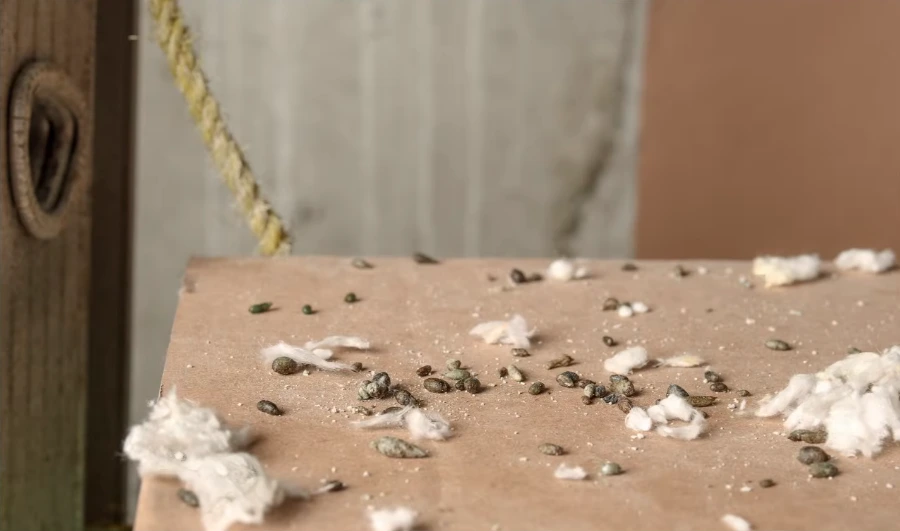
Rat droppings are often dark and elongated, although size and shape vary by species and the animal’s age. Look in quiet, sheltered places: behind appliances, inside cabinets, near stored food, along garage walls, around utility penetrations, and in attic spaces. Droppings can indicate past activity as well as current activity. If you safely clean a small, suitable area according to public-health guidance and new droppings appear later, that is stronger evidence that rodents remain present. Never dry-sweep or vacuum droppings.
2. Gnaw marks and damaged materials
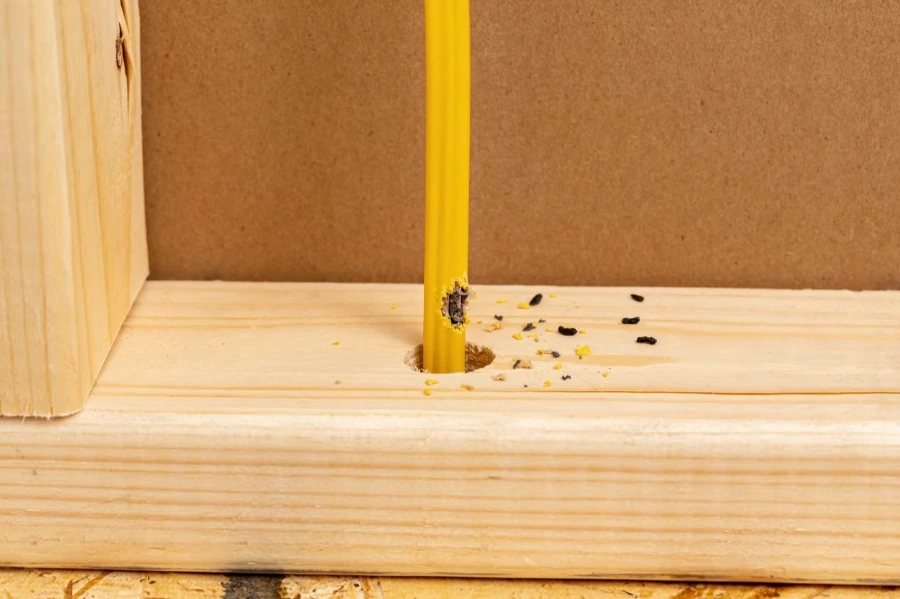
Rats gnaw on many materials, including packaging, wood, plastic, and wiring insulation. Look for rough-edged holes, chewed food containers, shredded packaging, or damage near a suspected route. Gnaw marks show that an animal had access to the area, but they do not identify exactly when it happened. Damage to electrical wiring should be assessed by a qualified electrician; do not touch exposed or damaged wiring.
3. Scratching, scurrying, or movement sounds
Rodents may move through wall voids, ceilings, attics, and crawl spaces. Residents sometimes hear scratching, quick running sounds, or gnawing, particularly when the building is quiet. Sounds alone are not proof: plumbing, HVAC equipment, roof movement, and other wildlife can create similar noises. Note the time, location, and pattern, then look for independent signs.
4. Nesting material
Shredded paper, fabric, insulation, dried plant matter, and other soft materials may be gathered into a nest. Check undisturbed corners and protected voids without reaching into them. Do not pull apart a suspected nest or stir up dusty material.
5. Unusual or persistent odors
A stale, musky, or urine-like smell may occur where rodents repeatedly travel or nest. A strong localized odor can have other causes, including plumbing or moisture problems, so treat it as a clue rather than a diagnosis. A dead-animal odor may be different and may come from a concealed space.
6. Tracks, rub marks, and travel routes
Dusty areas may show footprints or tail marks. Greasy rub marks can develop along frequently used edges and openings. Rats often travel close to walls and objects rather than crossing exposed open floor. These clues can help identify a route, but they should be considered alongside droppings or damage.
7. Outdoor burrows and disturbed ground
Norway rats may burrow around foundations, retaining walls, dense vegetation, and other protected locations. Look for openings in soil, worn paths, or disturbed material near a building. Not every hole is a rat burrow; wildlife and drainage features can look similar.
8. Food and storage damage
Torn bags, gnawed containers, scattered dry goods, and pet-food damage can indicate access to food. Move food into sturdy, sealed containers and clean spills. Keep pet food from remaining accessible overnight where practical.
9. Repeated activity in more than one area
Evidence in a kitchen, garage, and attic may indicate that rodents are using several parts of the structure. A single dropping or old gnaw mark is less informative than repeated fresh evidence across locations. Record where each sign appears rather than assuming every clue comes from the same animal.
10. Daytime sightings or repeated sightings
Rats are often active at night, but seeing one during daylight does not, by itself, establish how large a population may be. Repeated sightings, activity in occupied rooms, or signs near food preparation areas justify a prompt, careful response.
What Houston property owners should do next
Keep people and pets away from suspected nesting or contaminated areas. Secure food and trash, avoid handling rodents or waste, and document the locations of signs. The CDC recommends removing food, water, and shelter opportunities and sealing openings as part of rodent prevention. If activity appears widespread, involves inaccessible voids, or includes contamination in an attic or ventilation system, ask a qualified provider what inspection and cleanup capabilities are available.
When professional rat removal may be appropriate
Consider contacting a rodent-control provider when signs recur after basic sanitation and exclusion steps, when rats are inside walls or attic spaces, when wiring may be damaged, or when you cannot safely identify the access route. The provider should explain the proposed inspection, removal, exclusion, and follow-up scope before work is scheduled. Availability and pricing must be confirmed directly with that independent provider.
Need help assessing rodent activity?
If you have recurring signs, activity in an attic or wall void, or contamination that you cannot safely assess, you can review the relevant Houston rodent-control service information and request details from an independent provider. The provider must confirm whether the requested inspection, removal, cleanup, exclusion, or repair is within its scope, along with current availability and pricing.
Frequently asked questions
What are the first signs of a rat infestation?
Common early clues include droppings, gnaw marks, damaged food packaging, nesting material, and scratching sounds. Look for several clues in the same area rather than relying on one sign.
How can I tell if I have rats or mice?
Rats are generally larger and leave larger droppings and gnaw damage, but clues overlap. Species identification is more reliable when based on multiple signs or a clear observation.
Where do rats usually hide inside a house?
They may use attics, wall voids, garages, crawl spaces, cabinets, and protected areas near food or water. The exact location depends on access and shelter.
Do rats make noises inside walls?
They can produce scratching, running, or gnawing sounds in wall and ceiling voids. Other building noises can sound similar, so look for corroborating evidence.
Can one rat indicate an infestation?
A single sighting confirms that a rat accessed the property, but it does not reveal whether others are present. Check for additional signs and monitor safely.
Related resources
Authoritative source note: CDC, Controlling Wild Rodent Infestations.