Common Rodent Entry Points in a House: Where Rats and Mice Get Inside
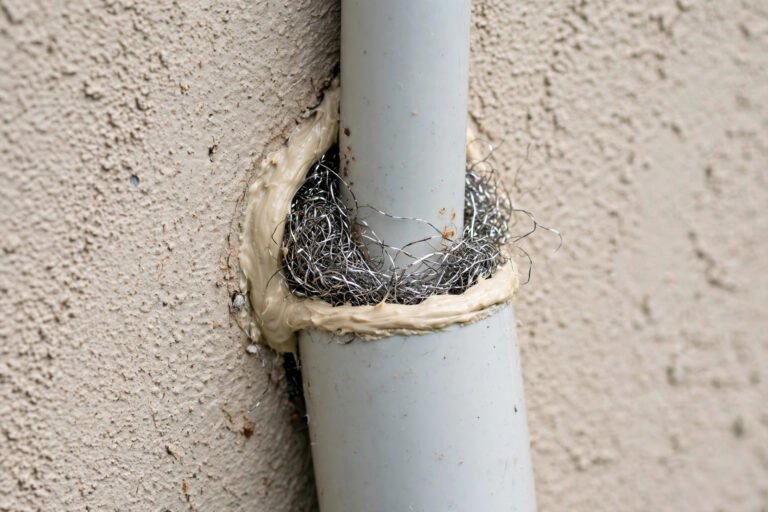
Rodents enter buildings through gaps that are easy to overlook: openings around pipes, damaged vent screens, door seals, roof edges, and foundation defects. A small gap can be enough for a mouse, while rats may exploit larger openings or gnaw damaged materials. The most useful inspection follows the signs of activity and checks both the interior and exterior rather than focusing on one obvious hole. Mapping rodent entry points helps connect indoor signs with the openings that may allow access.
Why identifying entry points matters
If rodents can still enter, removing animals already inside may not prevent another arrival. Entry-point identification connects activity inside the building with the exterior conditions that allow access. It also helps distinguish a one-time opening from a broader building-maintenance issue.
Gaps around plumbing and utility lines
Check under sinks, behind appliances, around water heaters, and where electrical, gas, cable, or plumbing services pass through walls and floors. Do not seal a gas or electrical opening with an unsuitable material. Repairs around regulated utilities should be handled by qualified tradespeople.
Foundation and ground-level openings
Inspect foundation transitions, crawl-space vents, basement or slab penetrations, door thresholds, and areas where soil meets the structure. Norway rats may use ground-level shelter and burrows, but a hole near the foundation is not automatically a rat entrance.
Roofline, soffit, and fascia gaps
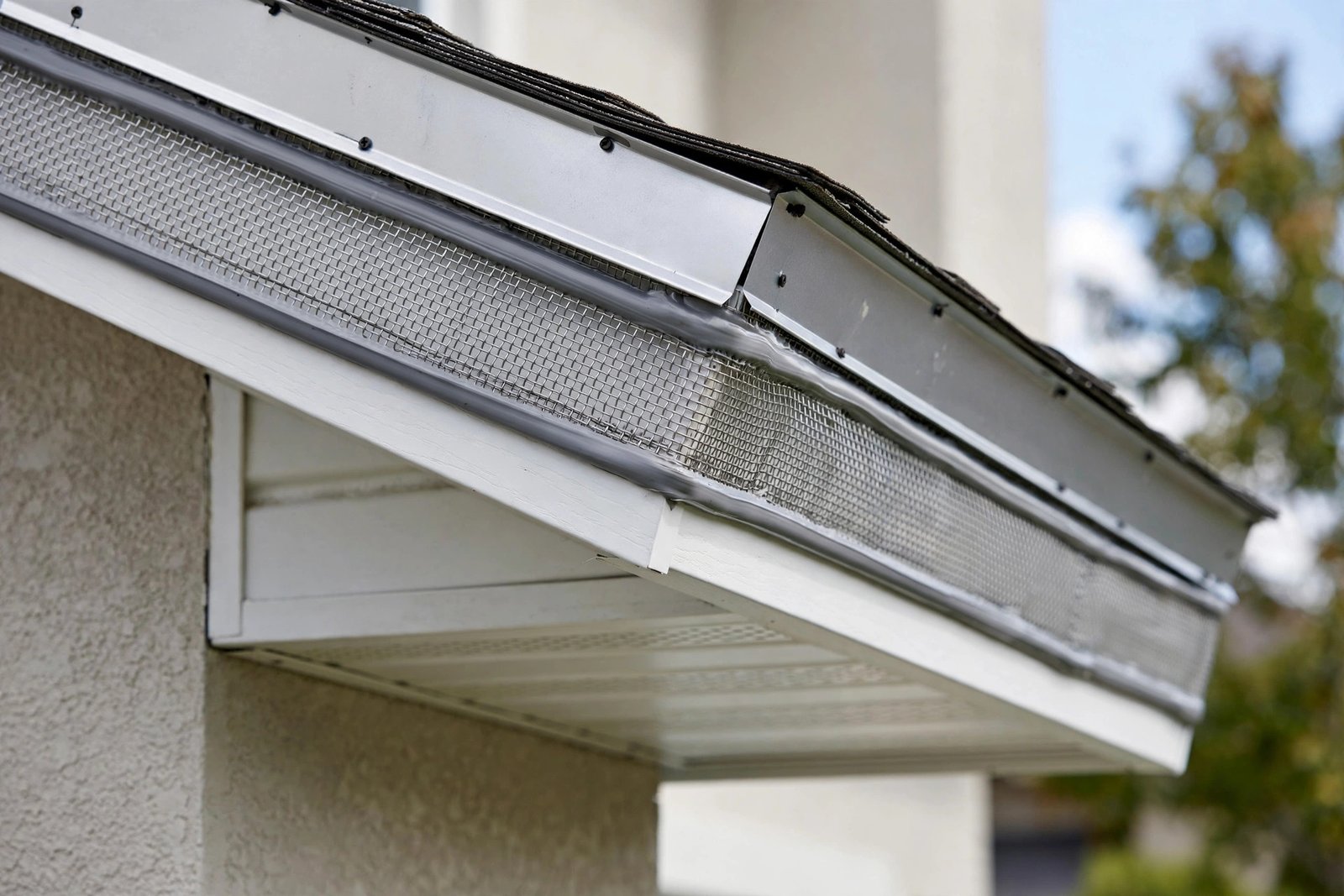
Damaged soffits, loose fascia, roof intersections, and unscreened attic vents may create elevated access. Roof rats may use branches and other climbing routes to reach them. Inspect from the ground where possible; roof work involves fall risks.
Garage doors and exterior doors
A worn bottom seal, uneven threshold, damaged weather stripping, or a gap at a corner can provide access. Check doors when closed and look for light passing underneath. Keep garage food, pet feed, and waste secured.
Vents, screens, and damaged openings
Screens should be intact and properly fitted while still allowing their intended airflow. Do not block ventilation openings as a shortcut. Replace damaged screening with durable material appropriate for the vent and building requirements.
How to inspect a property
Start where droppings, gnaw marks, or noises were reported. Record the location and inspect nearby gaps. Continue around the exterior, including utility penetrations, doors, vents, roof edges, and foundation transitions. Avoid touching waste or entering unsafe voids.
Why exclusion must address the actual route
A patch placed over the wrong opening may leave the true access route open. Effective exclusion matches the repair material to the opening, protects ventilation and utilities, and checks for related gaps nearby. Monitor after repairs for new signs.
Need help assessing rodent activity?
If you have recurring signs, activity in an attic or wall void, or contamination that you cannot safely assess, you can review the relevant Houston rodent-control service information and request details from an independent provider. The provider must confirm whether the requested inspection, removal, cleanup, exclusion, or repair is within its scope, along with current availability and pricing.
Frequently asked questions
Where do rats usually enter a house?
Possible routes include foundation gaps, garage doors, utility penetrations, damaged vents, and roofline openings. The route varies by species and building.
What are common mouse entry points?
Mice may use gaps around pipes, cables, doors, windows, vents, foundations, and roof structures. CDC notes they can fit through a hole about 1/4 inch wide.
Can rodents enter through small gaps around pipes?
Yes. Unsealed spaces around utility penetrations can provide access.
Can rats enter through roof vents?
They may enter if screens are missing, damaged, or poorly fitted.
Should every gap around a house be sealed?
Seal pest-access gaps, but preserve required ventilation, drainage, and safe clearances around utilities. Use suitable materials and qualified trades where needed.
Related resources
Authoritative source note: CDC, How to Seal Up to Prevent Rodents.